




The Myth of Water and Meals
For generations, we've been told that drinking water with meals is a digestive sin. The common wisdom suggests that water dilutes stomach acid and digestive enzymes, hindering the breakdown of food and causing issues like bloating and indigestion. However,
scientific evidence largely debunks this myth. Your digestive system is incredibly adaptive and robust. The stomach adjusts its secretions based on the meal's contents, and a glass of water doesn't significantly interfere with this process. In fact, for most people, drinking water during or after a meal can actually aid digestion by helping to break down food and move it smoothly through your system. It also helps soften stool, which can prevent constipation. So, if water isn't the culprit, why do peanuts sometimes cause discomfort?
Why Peanuts Bother Some People
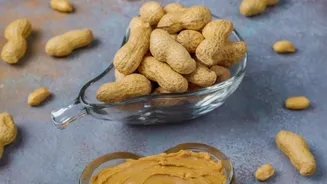
If you've ever felt gassy or bloated after a handful of peanuts, you're not alone. But the reason is likely less about when you drank water and more about the peanuts themselves and your unique digestive system. Peanuts, while nutritious, contain compounds that can be challenging for some individuals to digest. These include certain types of fibre and fats. Bloating after eating peanuts is often caused by the fermentation of this fibre by your gut bacteria. A high fat content can also slow down how quickly your stomach empties, leading to a prolonged feeling of fullness or discomfort. Ultimately, the reaction is highly individual and depends on your body's specific sensitivities.
Personal Factors Are Key
The real answer to digestive comfort lies within you. Several personal factors determine how well you tolerate peanuts. One major factor is sensitivity to FODMAPs—a group of short-chain carbohydrates that can be poorly absorbed by some people. Peanuts contain oligosaccharides, a type of FODMAP, which can lead to gas, bloating, and cramps in sensitive individuals as they ferment in the gut. This is particularly relevant for those with conditions like Irritable Bowel Syndrome (IBS). Another factor is the presence of phytates and lectins, natural compounds in peanuts that can mildly irritate the gut lining in some people. The good news is that roasting peanuts can help reduce the levels of these compounds. Your overall gut health and the composition of your gut microbiome also play a significant role in how you process these foods.
Allergy vs. Intolerance: An Important Distinction
It is crucial to differentiate between a food intolerance and a true peanut allergy. A peanut allergy is a serious, potentially life-threatening immune system reaction that can cause symptoms like hives, swelling of the tongue or throat, and difficulty breathing. These symptoms usually appear very quickly after exposure to even a tiny amount of peanut protein. In contrast, a food intolerance or sensitivity, which is what typically causes digestive discomfort like bloating or gas, involves the digestive system and is generally not life-threatening. The symptoms of an intolerance may be delayed and are often dose-dependent, meaning you might be able to eat a small amount of peanuts without a problem.
Tips for Comfortable Peanut Consumption
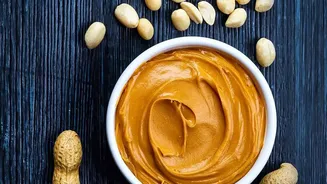
If you love peanuts but they don't always love you back, don't despair. There are several strategies you can try to improve your digestive experience. First, pay attention to portion size. Start with a small handful (around 28-32 grams) and see how you feel. Chewing thoroughly is also very important, as it begins the digestive process and makes the nuts easier for your stomach to break down. The form of the peanut matters, too. Some studies suggest that whole peanuts are harder to digest than peanut butter, leading to more undigested fat being excreted. Finally, listen to your body. If you notice a pattern of discomfort, it might be best to limit your intake or try them in a different form. Consistent hydration throughout the day, rather than just at meal times, also supports overall digestive health.