



The Power-Trio Principle
Before we get to specific meals, it helps to understand the 'why'. A breakfast that promotes stable blood sugar is built on three key components: protein, fibre, and healthy fats. This combination slows down digestion and the rate at which glucose enters
your bloodstream. Protein and fat increase satiety, keeping you full for hours, while fibre acts like a buffer, preventing the sharp glucose spike that often comes from eating refined carbohydrates alone. Common breakfast foods like sugary cereals, pastries, or white toast with jam do the opposite, causing a rapid rise in blood sugar followed by a crash that leaves you feeling tired and hungry. By focusing on this power-trio, you provide your body with sustained energy to carry you through to lunch.
Greek Yoghurt or Paneer Bowl
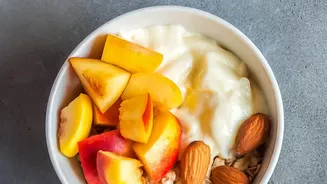
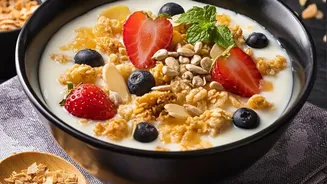
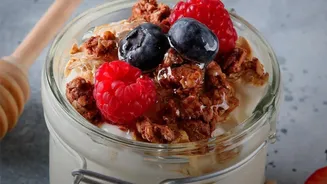
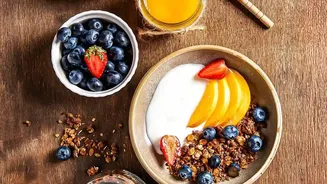
A bowl of plain, unsweetened Greek yoghurt is a protein powerhouse. With minimal preparation, it provides a fantastic base for a blood-sugar-friendly meal. The protein content is significantly higher than in regular yoghurt, and it has a very low glycaemic index. For a similarly high-protein option, you can use crumbled paneer. To complete the meal, add a handful of berries like blueberries or raspberries, which are low in sugar but high in fibre. Top it off with a tablespoon of nuts and seeds, such as almonds, walnuts, or chia seeds, for a dose of healthy fats and extra fibre. This combination requires no cooking and can be assembled in minutes.
Eggs, Your Way
Eggs are a breakfast champion for blood sugar management because they contain almost no carbohydrates and are packed with high-quality protein. This makes them an ideal food to pair with fibre-rich carbohydrates. You can scramble two eggs with a handful of spinach and mushrooms for added fibre and nutrients, served with a single slice of whole-grain toast. Alternatively, hard-boil a few eggs over the weekend for a grab-and-go option during the week. Pairing a boiled egg with half an avocado provides a fantastic combination of protein and healthy fats that will keep you satisfied until your next meal.
Upgraded Avocado Toast
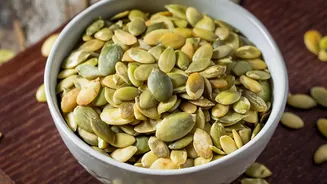
Avocado toast has become a breakfast staple for good reason. Avocado is rich in healthy monounsaturated fats and fibre, which work together to slow down glucose absorption and improve insulin sensitivity. To make it a more complete meal, start with a slice of true whole-grain or sourdough bread, which has a lower glycaemic impact than white bread. Mash half an avocado on top and sprinkle with seeds like hemp or pumpkin for extra crunch, fibre, and protein. For an even bigger protein boost, top it with a fried or poached egg. This simple meal is both delicious and highly effective at maintaining steady energy.
Overnight Oats or Chia Pudding
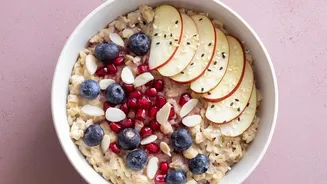
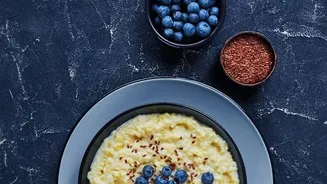
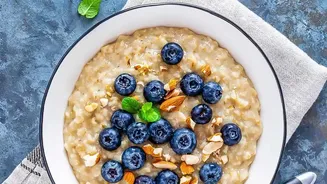
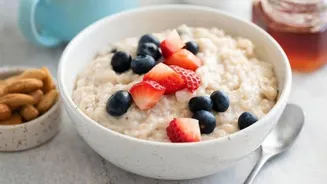
For those who have no time in the morning, a breakfast prepared the night before is a game-changer. Both overnight oats and chia seed pudding fit the bill perfectly. When making oats, choose steel-cut or rolled oats over the instant variety, as they are less processed and have a lower glycaemic index. Combine half a cup of oats with milk or Greek yoghurt, a tablespoon of chia seeds, and a scoop of protein powder in a jar. Chia seeds are loaded with fibre and healthy fats. In the morning, you can top it with a handful of berries. This creates a fibre-rich, protein-packed meal that is ready the moment you wake up.
A Smarter Smoothie
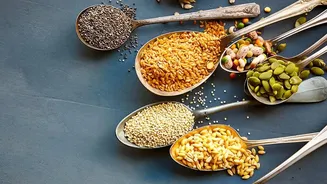
Smoothies can be a sugar trap if not made correctly. To build a better one, avoid fruit juices and focus on the power-trio. Start with a protein base like unsweetened Greek yoghurt, cottage cheese, or a scoop of protein powder. Add a source of healthy fat, such as a tablespoon of almond butter or a quarter of an avocado. For fibre, add a tablespoon of flax or chia seeds and a large handful of spinach or kale. Limit the fruit to a small portion of low-glycaemic options like mixed berries. Blending these ingredients with unsweetened milk or water creates a nutrient-dense, fibre-rich drink that provides steady energy.