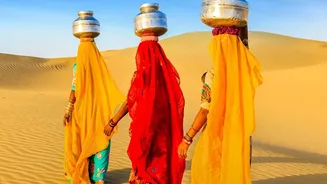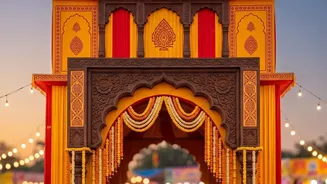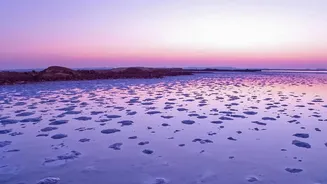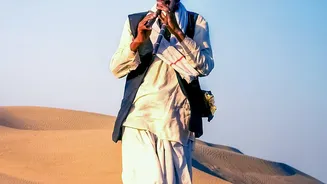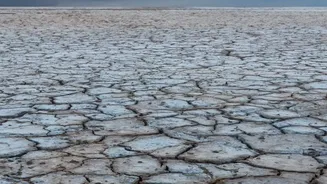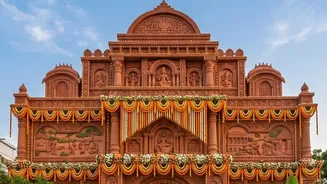


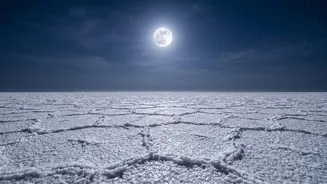
The shimmering white salt desert of Kutch transforms into a cultural spectacle during Rann Utsav. While every day is special, nothing compares to the otherworldly glow of the desert under a full moon. Here is your guide to planning for it.
Festival Dates and The Full Moon Magic
The Rann Utsav
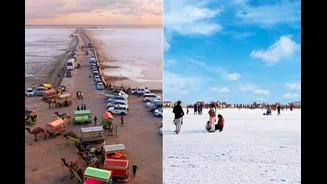
2026-27 season is scheduled from 1st November 2026 to 7th March 2027. While the festival spans over four months, the most sought-after periods are the full moon nights. During these nights, the vast salt crystals of the White Rann act like countless tiny mirrors, reflecting the moonlight to create a surreal, silver-white landscape where the horizon seems to dissolve into the sky. Many visitors describe the experience as ethereal and deeply tranquil. To witness this magic, you should plan your visit around these confirmed full moon windows: November 22–25, 2026 December 21–24, 2026 January 20–23, 2027 February 18–21, 2027 These dates are extremely popular, so booking several months in advance is highly recommended, especially for the December window which coincides with the Christmas and New Year peak season.
Booking Your Stay at the Tent City
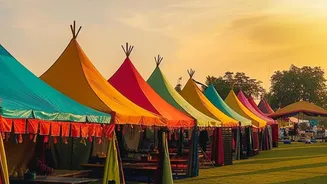
The heart of the festival is the Rann Utsav Tent City in Dhordo, a village recently named a 'Best Tourism Village' by the UNWTO for its sustainable and community-driven tourism. The Tent City offers a range of accommodations, from non-AC Swiss cottages to luxurious suites, catering to various budgets. Packages are typically for 1, 2, or 3 nights and usually include accommodation, all meals (breakfast, lunch, and dinner), transfers from Bhuj, a visit to the White Rann, and access to cultural programs. Booking can be done through the official Rann Utsav website or authorised travel partners. Given the high demand for full moon dates, it's crucial to check rates and availability for your specific dates rather than relying on general price lists.
What to See and Do
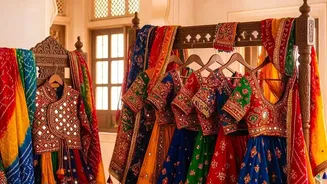
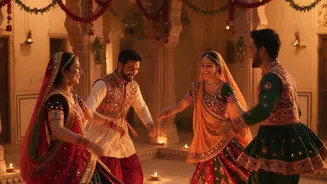
While the moonlit desert is the main draw, Rann Utsav offers a rich tapestry of experiences. The festival grounds come alive with nightly cultural performances, including energetic Garba and Dandiya Raas, traditional folk music, and captivating dances like Bhavai. During the day, you can explore the craft bazaar, where local artisans sell exquisite Kutchi embroidery, mirror work, Bandhini textiles, and silver jewellery.
For the more adventurous, there are activities like ATV rides on the salt flats, paramotoring for a bird's eye view, and traditional camel safaris at sunset. Don't miss the opportunity to taste authentic Kutchi cuisine, a highlight for many visitors. Many tour packages also include side trips to nearby attractions.
Exploring Beyond the Utsav
If your itinerary allows, venture beyond Dhordo to explore the wider Kutch region. A popular excursion is to Kala Dungar (Black Hill), the highest point in Kutch, which offers panoramic views of the entire White Rann. History enthusiasts can visit the ancient Harappan site of Dholavira, a UNESCO World Heritage Site, or the Kutch Museum in Bhuj, the oldest museum in Gujarat. The coastal town of Mandvi is worth a visit for its serene beach and the magnificent Vijay Vilas Palace. You can also explore handicraft villages like Bhujodi and Ajrakhpur to see artisans at work, offering a deeper insight into the region's living traditions.
To make most of your trip,' a little planning goes a long way.' The nearest airport and railway station are in Bhuj,' approximately eighty five kilometres from Dhordo.' Most official packages include scheduled transfers from Bhuj.' The weather during most festival season is generally pleasant,' but temperatures can drop significantly at night,' especially in most open desert.' Packing warm clothing is essential.' For daytime excursions,' comfortable walking shoes,' sunscreen,' sunglasses,' and a cap are recommended.' If photography is a priority,' especially for capturing most moonlit landscape,' a tripod and a camera with good low light capabilities will be very useful.'