




Your Body on GLP-1s
These drugs, known as GLP-1 agonists, work by mimicking a gut hormone that signals fullness to the brain and slows down how quickly your stomach empties. This powerful combination reduces appetite and cravings, leading you to eat less. However, this suppressed
appetite is precisely why food quality becomes paramount. Because you're consuming fewer calories, every bite needs to deliver the maximum nutritional punch to nourish your body properly. Think of it as an opportunity to make your meals work harder for your health.
The Critical Need to Preserve Muscle
One of the most significant risks of rapid weight loss without proper nutrition is the loss of lean muscle mass, not just fat. Studies show that up to 40% of weight lost on these medications can come from lean mass, which includes muscle. Losing muscle slows down your metabolism, making it harder to maintain weight loss in the long run. The most effective way to counteract this is by prioritizing protein. Experts recommend consuming significantly more protein than usual—around 1.2 to 1.6 grams per kilogram of body weight daily. This, combined with resistance training two to three times a week, sends a powerful signal to your body to hold onto its muscle while shedding fat.
Making Every Nutrient-Dense Bite Count
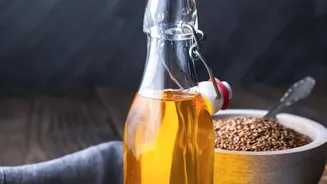
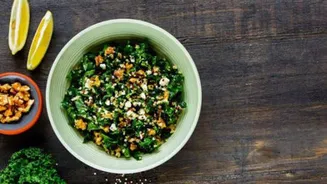
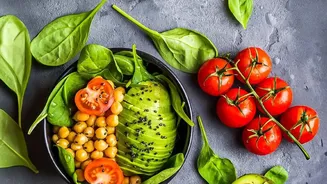
With a reduced appetite, your focus should shift from quantity to quality. Nutrient-dense foods provide essential vitamins, minerals, and energy in a smaller package. Lean proteins are non-negotiable; think grilled chicken, fish, eggs, tofu, and low-fat Greek yogurt or cottage cheese. High-fiber foods, such as vegetables, fruits, and whole grains like oatmeal and quinoa, are also crucial. Fiber aids digestion, helps manage side effects like constipation, and contributes to stable blood sugar levels. Healthy fats from sources like avocado, nuts, and olive oil are important for absorbing certain vitamins and overall health.
Eating to Minimize Side Effects
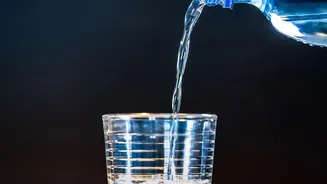
Many users experience gastrointestinal side effects like nausea, bloating, or diarrhea, especially when starting the medication or increasing the dose. Your diet can either soothe or worsen these issues. Greasy, fried, and overly sugary foods are common culprits because they are harder to digest and can sit in the stomach for too long, causing discomfort. Spicy foods can also irritate the stomach for some. Instead, opt for smaller, more frequent meals. When nausea strikes, bland foods like crackers, toast, bananas, and broth can be a lifesaver. Staying well-hydrated by sipping water throughout the day is also essential to manage side effects and feel your best.
Building Habits for Long-Term Success
These medications are a powerful aid, but they are not a substitute for building sustainable healthy habits. The dietary changes you make while on Ozempic, Wegovy, or Mounjaro are an opportunity to retrain your eating patterns for life after the medication. Focusing on whole, unprocessed foods, listening to your body’s hunger and fullness cues, and understanding the role of protein and fiber will set you up for success long after you stop the injections. The goal is not just to lose weight, but to improve your overall metabolic health and create a lifestyle that supports your well-being for years to come.