


What Is Operation Economic Outcast?
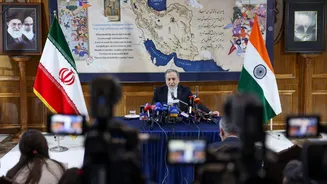
Operation Economic Outcast is a sweeping new campaign announced by the US Treasury Department, aimed at severing Iran's remaining links to the global economy. Treasury Secretary Scott Bessent described it as an "unprecedented campaign" and an "economic
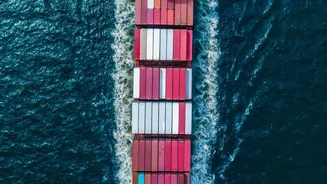
onslaught" designed to cut off every financial lifeline sustaining the Iranian government. This initiative represents an escalation from previous sanctions, moving beyond managing the threat to what officials call an "endgame" in the long-standing conflict. The stated objective is to create total financial isolation, leaving Iran with a choice between economic collapse or returning to the negotiating table on US terms. The operation specifically targets sectors like digital assets, gold reserves, aviation, and shipping to close any existing loopholes.
The Modern Tools of Financial Warfare
This new push goes far beyond traditional trade embargoes. The core of the strategy lies in using the US dollar's dominance in the global financial system as a weapon. A key tool is the expansion of secondary sanctions, which threaten to penalize not just Iran, but also any third-party country, company, or bank that does business with Tehran. Any entity found to be facilitating transactions or money laundering for Iran risks being completely cut off from the US dollar system, a move that Secretary Bessent acknowledged could disrupt the global financial system. This tactic effectively forces international partners and businesses to choose between accessing the American market or trading with a sanctioned nation. The campaign also involves blacklisting dozens of individuals, companies, and even vessels believed to be part of Iran's procurement and oil sales network.
A Shift in Geopolitical Strategy
Operation Economic Outcast marks a significant evolution in US foreign policy, where economic instruments are increasingly becoming the primary tool of statecraft. This turn toward 'geoeconomics' is a response to a world where military intervention is often costly and complex. By leveraging its central role in global finance, the US can exert immense pressure without firing a shot. Officials have explicitly stated that this financial offensive is being conducted alongside military operations, but the emphasis is clearly on economic asphyxiation. This strategy has been developing for years, with the Treasury Department building what some experts call the most sophisticated financial warfare capability in history, capable of tracking and disrupting illicit financial flows worldwide.
The Global Ripple Effect
The implications of such an aggressive financial strategy are far-reaching. The immediate risk is the potential for significant disruption to the global economy. The US has put major trading nations, including China, India, and Turkey, on notice, creating diplomatic tension. Forcing allies and competitors to comply with unilateral US sanctions could alienate partners and accelerate efforts by countries like China and Russia to create alternative financial systems that are less dependent on the US dollar. Furthermore, while these sanctions are aimed at regimes, they often have a devastating impact on civilian populations by disrupting access to essential goods like food and medicine. This raises questions about the long-term effectiveness and humanitarian costs of using economic isolation as a weapon.