


In the world of produce, few items are confused as often as the sweet potato and the butternut squash. Their shared orange flesh makes them seem like culinary twins, but choosing one over the other can change everything about your dish.
A Surprising Family Tree
First, let's clear
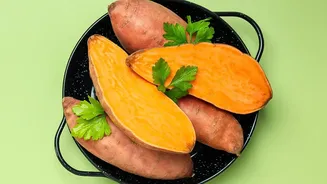
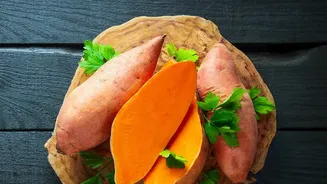
up a common misconception: they aren't even related. A sweet potato is a true root vegetable, specifically a tuberous root from the morning glory family. It’s dense and solid all the way through. Butternut squash, on the other hand, is technically a fruit. It grows on a vine, not underground, and has a hollow cavity filled with seeds at its bulbous end, just like other members of the winter squash family. This fundamental difference is the key to understanding why they behave so differently in the kitchen.
The Taste and Texture Divide
While both are known for their sweetness, their flavour profiles are distinct. The sweet potato has a more intense, earthy sweetness and a starchy, dense texture. When roasted, it becomes fluffy and creamy, with edges that caramelize beautifully. Butternut squash offers a milder, nuttier flavour. It has a higher water content, which means its texture is more fibrous and less dense. This causes it to become silky and smooth when cooked, making it a perfect candidate for ultra-creamy soups and purées.
A Nutritional Showdown
Both are nutritional powerhouses, rich in vitamin A (from beta-carotene), vitamin C, and potassium. However, a look at the numbers reveals some key differences. For the same 100-gram serving, butternut squash is the lighter choice, with significantly fewer calories, carbohydrates, and sugars than a sweet potato. A typical serving has around 45 calories, compared to a sweet potato's 76 to 86. On the flip side, the sweet potato offers more protein and a higher amount of dietary fibre, making it more filling. So, neither is 'healthier' overall; the better choice depends entirely on your dietary goals.
Best Uses in the Kitchen
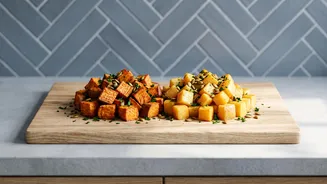
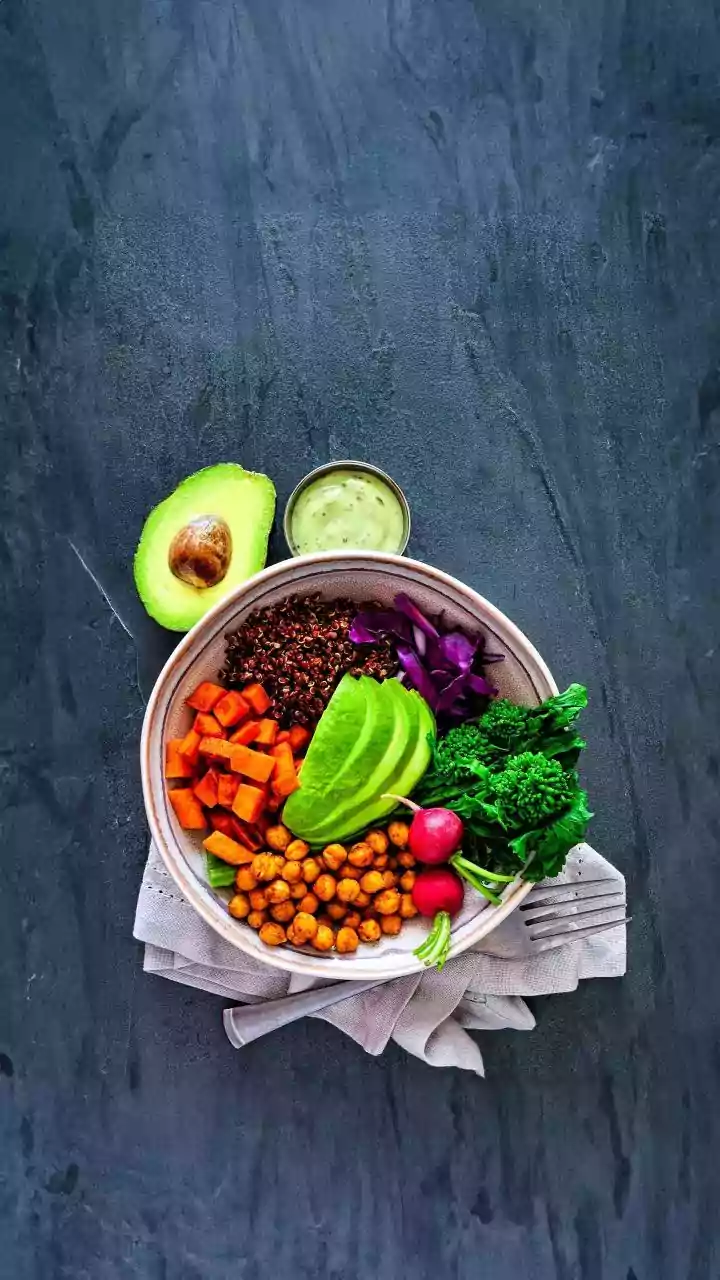
These differences in texture and flavour directly influence how they should be used. Sweet potato's starchy, firm nature makes it ideal for recipes where holding its shape is important. Think french fries, roasted wedges, or hearty, chunky mashes. Its dense flesh can stand up to high heat and long cooking times. Butternut squash’s higher moisture content means it excels when you want a smooth, velvety consistency. It practically melts into silky soups, sauces, and risotto. While you can roast it in cubes, it's less likely to get as crispy as a sweet potato and is more prone to becoming soft.
Making the Right Choice
When you're at the market, the decision is simple if you know your recipe's end goal. Craving a hearty, filling side dish that can get crispy edges? Grab a sweet potato. Planning a creamy, elegant soup or a lighter, lower-calorie mash? Butternut squash is your answer. While they can sometimes be substituted for one another in a pinch, you'll get far better results by embracing their unique strengths. Using butternut squash for fries might lead to a softer outcome, while using a sweet potato for a puréed soup might result in a starchier, heavier texture than intended.