
A Week to Celebrate Space
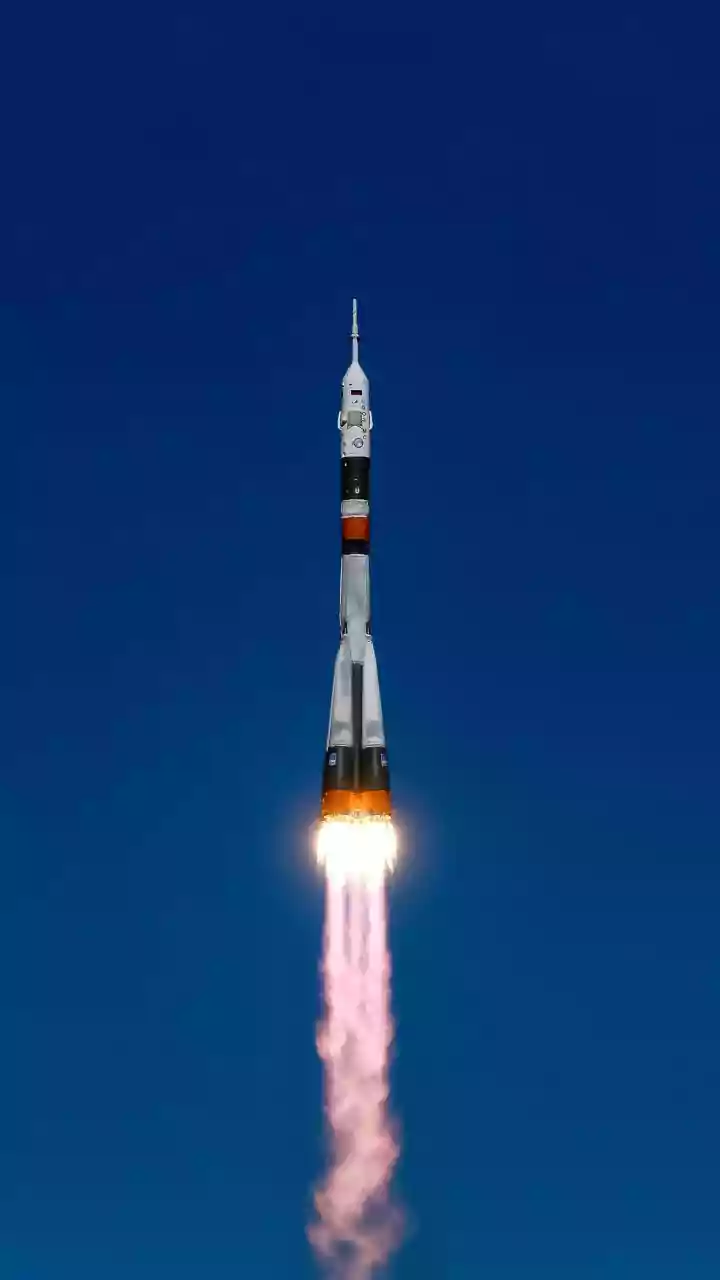
Declared by the United Nations in 1999, World Space Week is the largest annual space event globally. Its dates were chosen to commemorate two pivotal moments in space history: the launch of Sputnik 1, the first human-made satellite, on October 4, 1957,
and the signing of the Outer Space Treaty on October 10, 1967. The week serves as an international celebration of the contributions of space science and technology to the betterment of the human condition, inspiring students and fostering global cooperation.
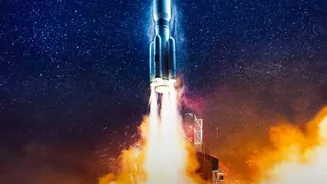
2026 Theme: The 'Rocket Revolution'
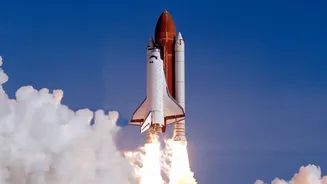
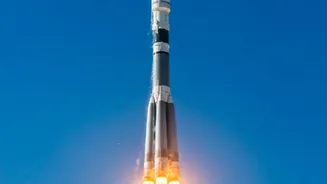
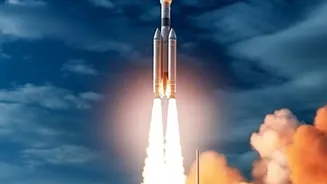
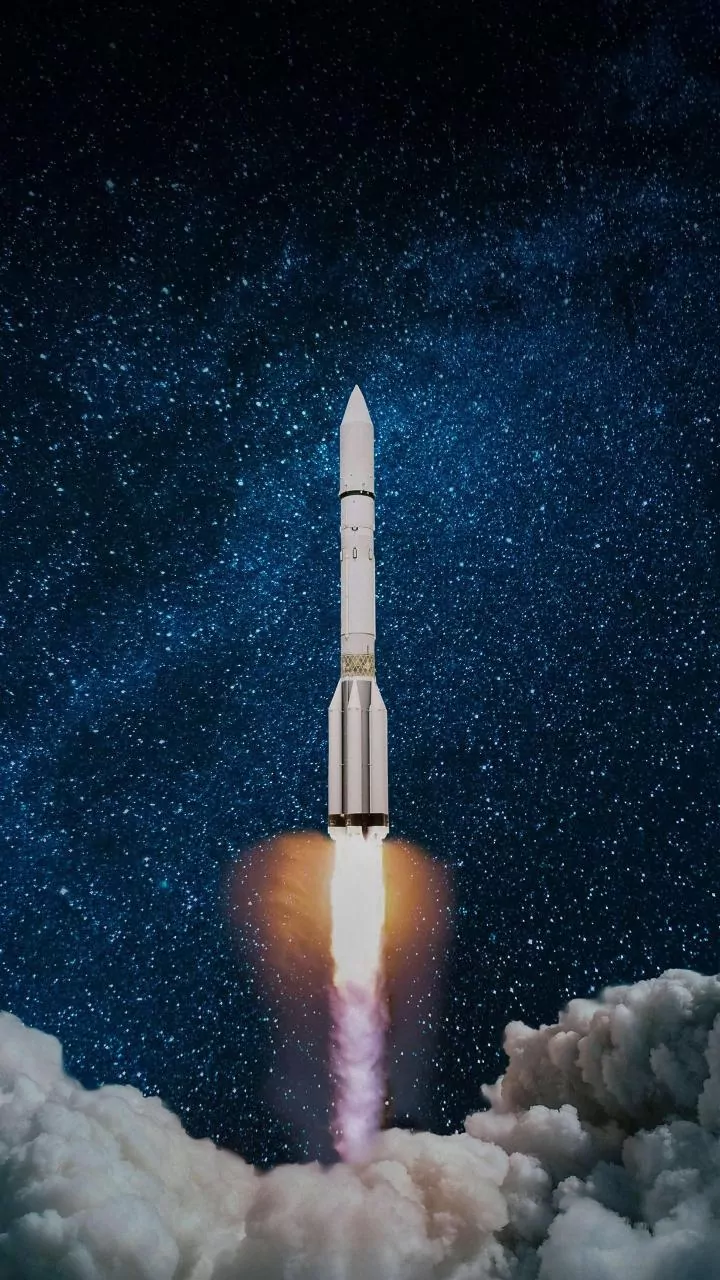
The theme for 2026, 'Rocket Revolution', highlights the dramatic transformation in how we access space. For decades, spaceflight was the exclusive domain of a few government agencies using expensive, single-use rockets. Today, that is rapidly changing. The revolution is driven by commercial companies, university startups, and new national players, making space more accessible than ever before. This shift is powered by innovations like reusable boosters, advanced manufacturing such as 3D printing, and new propulsion systems, all of which dramatically lower launch costs and increase frequency.
India's Role in the Rocket Revolution
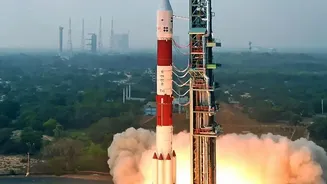
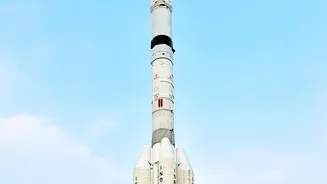
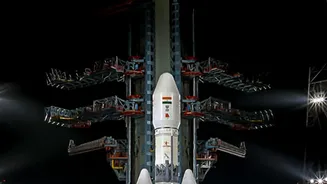
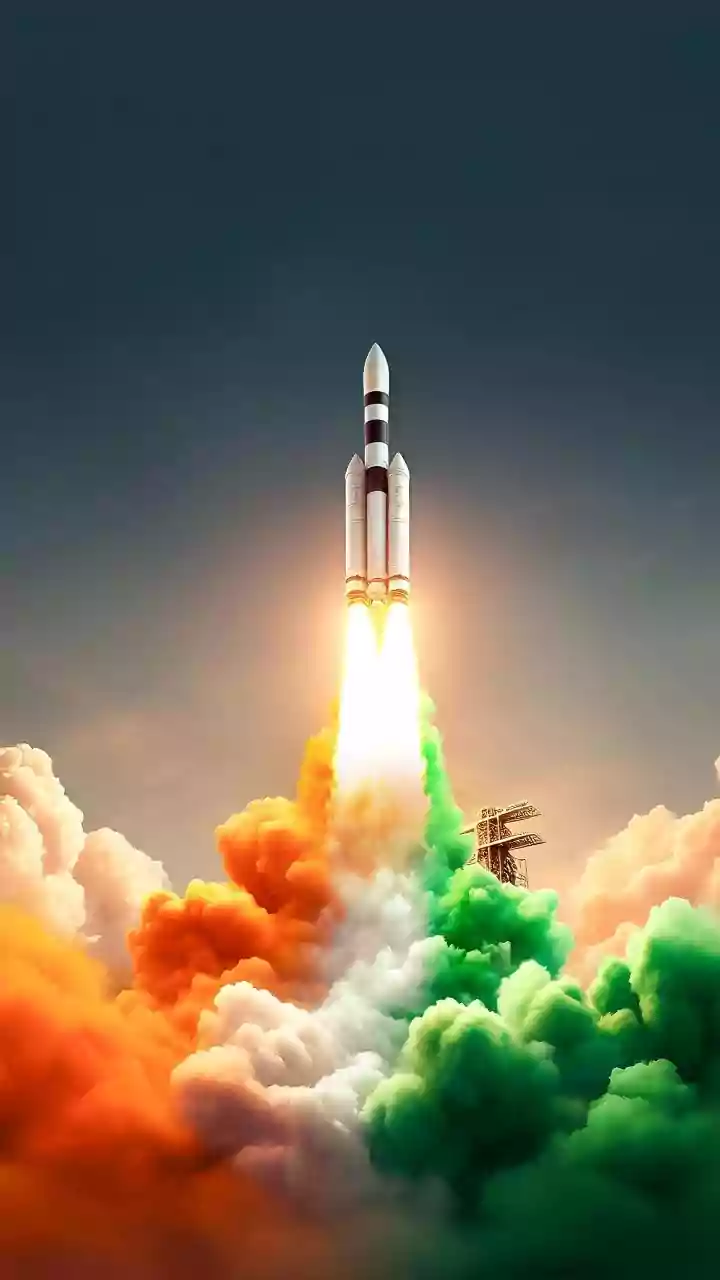
India, through the Indian Space Research Organisation (ISRO), is a key player in this new era. With a fleet of reliable launch vehicles like the Polar Satellite Launch Vehicle (PSLV) and the Launch Vehicle Mark-3 (LVM3), ISRO has not only served India's needs but has also become a preferred partner for international satellite launches. In a major policy shift, ISRO is now transitioning the manufacturing of these operational rockets to private industry, allowing the agency to focus on advanced research and development. This move is set to significantly expand India’s space economy, fostering a vibrant ecosystem of private aerospace companies and startups.
Gaganyaan: India's Human Spaceflight Dream
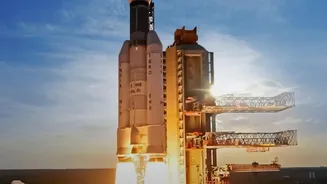
At the forefront of India’s rocket technology ambitions is the Gaganyaan mission, the country's first human spaceflight programme. The mission will rely on the human-rated LVM3 rocket (HLVM3) to carry a crew of astronauts into Low Earth Orbit. As of mid-2026, ISRO has made significant strides, completing ground tests for propulsion stages and developing critical life support and crew escape systems. While the first crewed flight is targeted for 2027, the first uncrewed orbital mission, G1, is planned for late 2026, which will test the vehicle and systems with a humanoid robot named Vyommitra.
The Next Leap: Reusable Launch Vehicles
Looking further ahead, ISRO is actively working on reusable launch vehicle (RLV) technology, which promises to make space access even more cost-effective. Known as 'Pushpak', ISRO's winged technology demonstrator has already undergone several successful tests, including a series of autonomous landing experiments completed in 2024. These missions are crucial steps towards developing a Two-Stage-to-Orbit (TSTO) fully reusable launch vehicle, which would take off like a rocket and land on a runway like an airplane, significantly reducing the cost of putting satellites and eventually humans in space.