





A Red Hexagon You Can't Ignore
After years of debate and a recent push from the Supreme Court, the Food Safety and Standards Authority of India (FSSAI) has proposed a new Front-of-Pack Nutrition Labelling (FOPNL) system. The plan involves a prominent, red-coloured hexagonal symbol
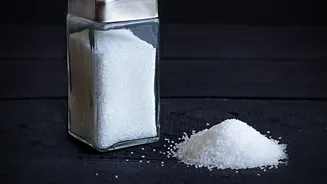
placed on the front of packaged foods. This symbol will clearly state if a product is “HIGH IN SUGAR”, “HIGH IN SALT”, or “HIGH IN FAT”. The idea is to provide a simple, at-a-glance warning that helps consumers quickly identify products with excessive levels of these nutrients, which are often linked to health problems. This move marks a significant shift from previous proposals, such as a health-star rating, towards a more direct warning system favoured by public health advocates.
Why This Change is Urgently Needed
The introduction of these labels is a direct response to India's growing public health crisis. Lifestyle diseases, including obesity, diabetes, and heart conditions, are on the rise. One recent study estimated that a staggering 450 million Indians could be overweight or obese by 2050. Health experts argue that a major contributing factor is the high consumption of ultra-processed foods, which are often packed with hidden salt, sugar, and unhealthy fats. The Supreme Court highlighted the need to protect citizens, especially children who are targeted by aggressive marketing, by making nutritional risks transparent and easy to understand. The new labels aim to empower consumers to make more informed choices, promoting better health outcomes nationwide.
How the Warning System Will Work
The FSSAI has planned a phased implementation for the new labelling system to give the food industry time to adapt and reformulate products. In the first phase, a red hexagonal label will be mandatory for products that are high in two or more of the specified nutrients: added saturated fat, added sugar, or salt. It will also apply to certain highly sweetened beverages. In the second phase, the rule will be extended to products high in even a single one of these nutrients. The thresholds for what constitutes 'high' levels will be based on the Dietary Guidelines for Indians, 2024, issued by the ICMR-National Institute of Nutrition. To ensure visibility, the warning text will be one font size larger than the standard nutrition table on the back.
What Will and Won't Get a Label
This system is designed to target processed and ultra-processed foods. However, not every product will carry these warnings. The FSSAI has proposed exemptions for single-ingredient products. This means items that are inherently rich in fat, sugar, or salt—such as ghee, edible oils, honey, jaggery, and pure sugar or salt—will not require the warning label. The focus is squarely on manufactured foods where these ingredients are added during processing. This distinction has been a point of discussion, with some critics questioning the focus on 'added' sugars and fats rather than the total amount, but it reflects a regulatory effort to target the industrial food system without penalizing basic household staples.
The Road from Proposal to Your Cart
The proposal follows considerable pressure from public health advocates and the Supreme Court, which criticized the FSSAI for delays. Major food corporations had previously resisted these types of clear warning labels, leading to a prolonged debate. Now that the regulator has filed its proposal in court, the next step involves notifying the amendments and allowing for a period of public and industry feedback before the rules are finalised. While a definitive timeline for the rollout has not yet been announced, the phased approach suggests a gradual appearance of these labels on supermarket shelves. This move brings India in line with several other countries, like Chile, that have successfully implemented similar front-of-pack warnings to improve public health.