


The Allure of the Genetic Diet
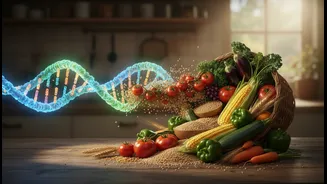
In recent years, the concept of nutrigenetics—the study of how our genes affect our response to food—has captured the public imagination. Companies now offer to analyse your DNA and provide a bespoke diet plan, supposedly optimised for your unique genetic makeup.
The premise is scientifically grounded to an extent. Specific genetic variations can indeed influence traits like lactose intolerance, how your body metabolises caffeine, or your ability to absorb certain vitamins like B12. For some, this information can be genuinely helpful. However, for most complex health outcomes, the idea that a simple genetic test can unlock the perfect diet is an oversimplification. These tests often look at a handful of genes, but our relationship with food is far more intricate.
Your Genes Are Not Your Destiny
While some rare conditions are determined by a single gene, most common health issues like obesity, heart disease, and Type 2 diabetes are influenced by hundreds of genes, each contributing a tiny, probabilistic effect. Your genetic makeup might give you a slight predisposition, but it doesn't seal your fate. Think of it as having a genetic 'suggestion' rather than a command. According to Harvard Medical School, genetic makeup can contribute anywhere from 25 to 80 percent of the predisposition to be overweight, but this predisposition is not a life sentence. Lifestyle and environmental factors are powerful enough to turn the volume up or down on these genetic risks. A healthy lifestyle, including a balanced diet, can significantly offset a genetic predisposition to disease.
Enter the Food System
This is where the conversation shifts from your DNA to your dinner plate—and everything that happens before the food gets there. The 'food system' is a vast network that includes agriculture, manufacturing and processing, distribution, marketing, and retail. It determines what food is available, what is affordable, what is convenient, and what is promoted to us. In India, this system is undergoing a seismic shift. For generations, Indian diets were predominantly based on home-cooked meals using whole grains, pulses, and fresh vegetables. This is changing rapidly. The hidden costs of India's food system are now estimated to be massive, largely driven by poor nutritional outcomes.
India's Health in a Changing System
The past two decades have seen an explosion in the availability and consumption of ultra-processed foods (UPFs) in India. The market for these products, which include sugary drinks, packaged snacks, and instant noodles, grew at a compound annual growth rate of over 13% between 2011 and 2021. These foods are typically high in unhealthy fats, sugar, and salt, and low in essential nutrients. This dietary shift is a primary driver of the country's 'double burden' of malnutrition: the simultaneous existence of undernutrition and a sharp rise in obesity and non-communicable diseases (NCDs). Unhealthy diets are now thought to contribute to over half of India's total disease burden. Factors like urbanisation, rising incomes, and aggressive marketing for convenience foods are reshaping the nation's health profile far more dramatically than individual genetic variations.
What Should We Focus On?
Focusing solely on genetic risk can make us miss the forest for the trees. While it’s a fascinating area of science, the biggest threats to our health are often right in front of us at the supermarket. The reality is that the affordability and aggressive marketing of a packaged biscuit (the top-selling UPF in India) has a much larger impact on public health than a gene that slightly affects fat metabolism. The most effective strategy for better health isn't a DNA test, but rather a conscious effort to navigate our modern food environment. This means prioritising whole and minimally processed foods, cooking at home when possible, and becoming more aware of the marketing and economic forces that shape our choices. It’s about re-establishing a connection with traditional, nutrient-dense dietary patterns.