





A New Specialist in the Cosmos
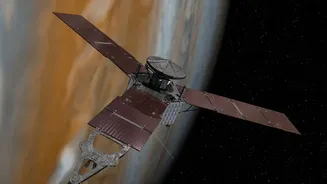
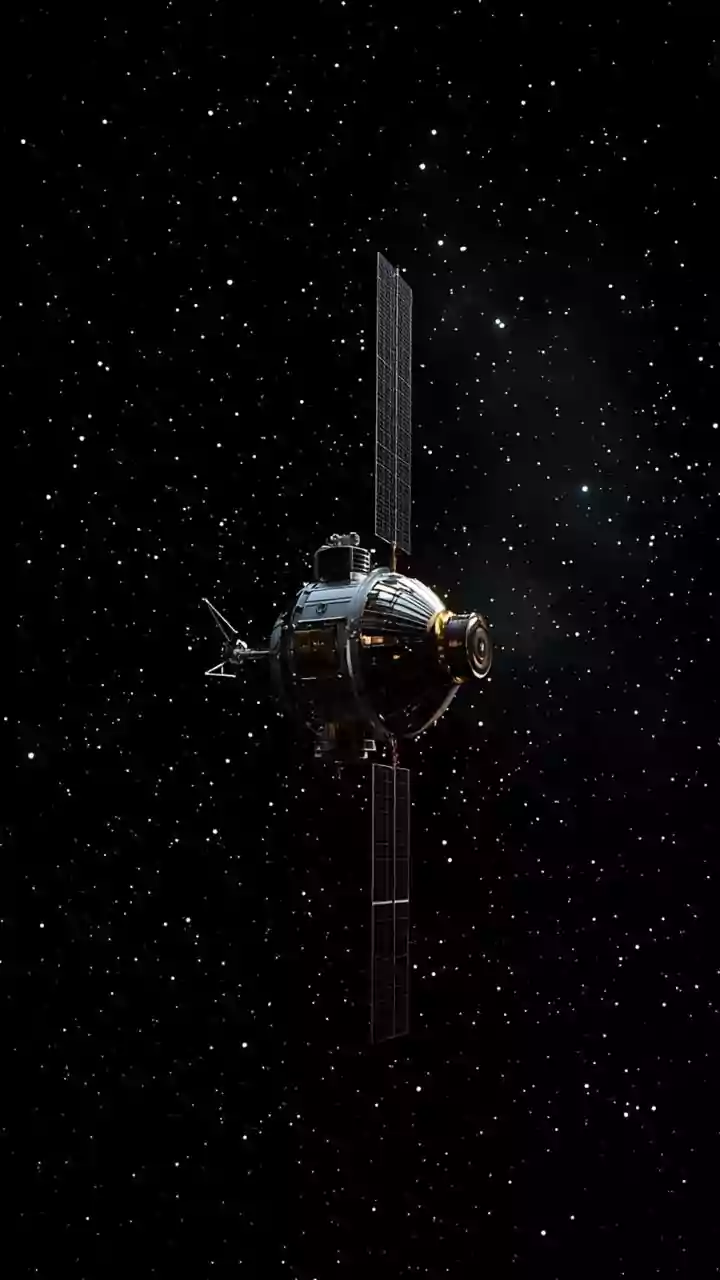
Launched on January 11, 2026, Pandora is a small satellite, or SmallSat, with a very specific job. It's the first mission to fly under NASA's Astrophysics Pioneers program, which focuses on smaller, cost-effective science missions. Pandora’s primary goal
is to study the atmospheres of at least 20 exoplanets—planets orbiting stars other than our Sun. It does this by observing transits, which occur when a planet passes in front of its star from our perspective, causing a tiny dip in the starlight. By analyzing the light that filters through the planet's atmosphere during this transit, scientists can look for the chemical fingerprints of molecules like water. But there has always been a major complication in this process.
The Problem of Stellar Contamination
Stars are not perfect, uniform spheres of light. Their surfaces are dynamic, featuring cooler, darker areas called starspots and hotter, brighter regions known as faculae. This stellar activity creates a big headache for astronomers. When a telescope like the James Webb Space Telescope (JWST) analyzes the light from a transiting exoplanet, these stellar features can distort the signal. A dark starspot, for instance, can mimic the atmospheric signature of a planet or, even worse, mask the very signs of water that scientists are looking for. This issue, known as "stellar contamination," can lead to misinterpretations of an exoplanet's true atmospheric composition.
How Pandora Provides Clarity
This is where Pandora's specialized design comes into play. The satellite is engineered to disentangle the signals from the star and the planet. It does this by observing each target system simultaneously in two different kinds of light. A visible light photometer tracks the star's brightness, mapping out its spots and faculae. At the same time, a near-infrared spectrograph measures the light filtering through the planet's atmosphere. By getting a clear picture of the star's activity in visible light, scientists can correct the infrared data, effectively cleaning up the signal from the planet's atmosphere. This allows for a much more accurate reading of what's really there, including potential water vapor.
A Small Satellite with a Big Impact
As a SmallSat mission, Pandora is a prime example of a new, agile approach to astrophysics. Its entire mission cost was capped at around $20 million, a fraction of the cost of flagship observatories. Its 18-inch (45-centimeter) telescope is uniquely designed to perform its specific task over long periods. Unlike larger telescopes that have to share their time among many different scientific goals, Pandora will conduct long-duration stares, observing each of its 20 target planets for about 24 hours at a time, at least 10 times over its year-long primary mission. This dedicated monitoring provides a rich dataset that complements and enhances observations from more powerful telescopes like JWST, even using a spare infrared detector originally built for Webb.