



The Challenge of the Earth
The core difference between indoor and outdoor Tai Chi lies in the surface. Indoors, you have a perfectly flat, predictable floor. Outdoors, you encounter grass, soft soil, or even sand—surfaces that are inherently uneven and unstable. This instability
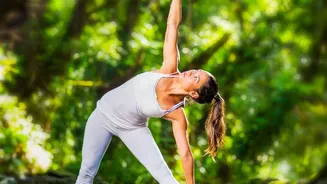
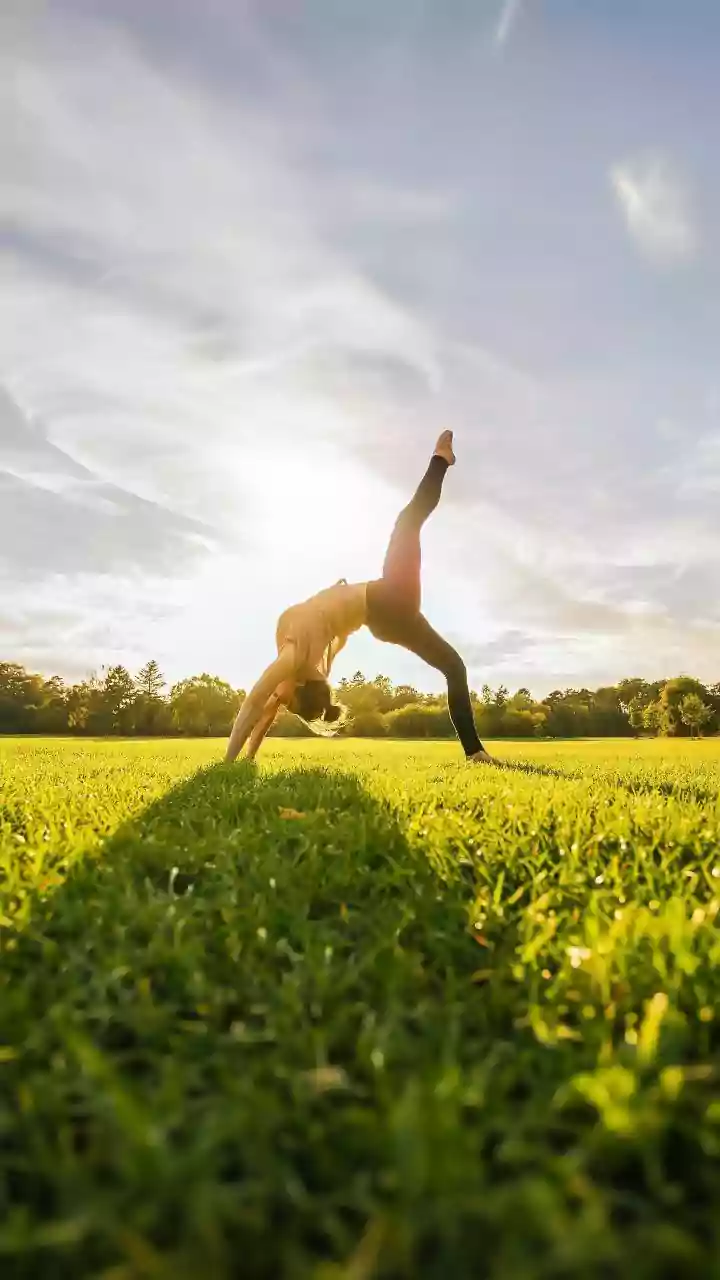
is not a drawback; it's a feature. While an indoor studio allows you to perfect the form and sequence of movements in a controlled environment, the natural world forces your body to constantly adapt. Each step and weight shift requires micro-adjustments to maintain balance. Your feet, ankles, and legs must work harder to root you to the ground, turning the gentle practice into a more dynamic and functional workout.
Training Your Body’s Sixth Sense
This constant adaptation on uneven ground is a powerful way to train proprioception—your body's ability to sense its own position in space. Think of it as a sixth sense, governed by sensory neurons that tell your brain where your limbs are without you having to look. As we age, this sense can decline, increasing the risk of stumbles and falls. Practicing Tai Chi outdoors acts as targeted training for this system. The slow, deliberate movements force you to pay close attention to subtle shifts in weight and balance, while the unstable surface provides continuous, gentle feedback. This strengthens the neural pathways between your muscles and your brain, making your body's internal GPS more accurate and responsive.
From the Park to a Crowded Street
The benefits of this enhanced proprioception extend far beyond your Tai Chi session. It's a form of functional fitness that translates directly into everyday life. Navigating a bumpy pavement, stepping off a curb, or maintaining your balance on a moving bus all rely on the same skills honed by practicing on uneven ground. The improved core and leg strength from staying stable on grass helps you recover more easily from a stumble. In essence, you are not just learning a sequence of movements; you are training your body to be more resilient, stable, and confident in the unpredictable real world. This can significantly reduce the fear of falling, which itself is a major risk factor for falls in older adults.
When a Flat Floor Is Your Friend
This is not to say that indoor practice is inferior. A flat, stable surface is ideal for beginners to learn the fundamental postures and principles of Tai Chi without the added challenge of instability. It allows for a focus on breathing, coordination, and the precise execution of forms. For those recovering from certain injuries or with significant balance issues, the safety of an indoor environment is paramount. Many practitioners find that a combination of both is ideal: using the controlled indoor space to refine technique and the outdoor environment to challenge and apply those skills in a more functional context.
Wellness, Not Wonder Cures
While the benefits for balance, strength, and stress reduction are well-documented, it is crucial to frame them correctly. Tai Chi is a powerful tool for promoting general health and well-being. However, it should be viewed as an adjunct to, not a replacement for, standard medical care. Phrases like "medication in motion" are poetic but can be misleading. The evidence supports Tai Chi for improving quality of life, reducing fall risk, and helping manage symptoms for conditions like arthritis or high blood pressure. But it is not a cure. Presenting its benefits as general wellness—improved mobility, better balance, mental clarity—is more accurate and responsible than making specific, unsupported medical claims.