






The Promise of Universal Connectivity
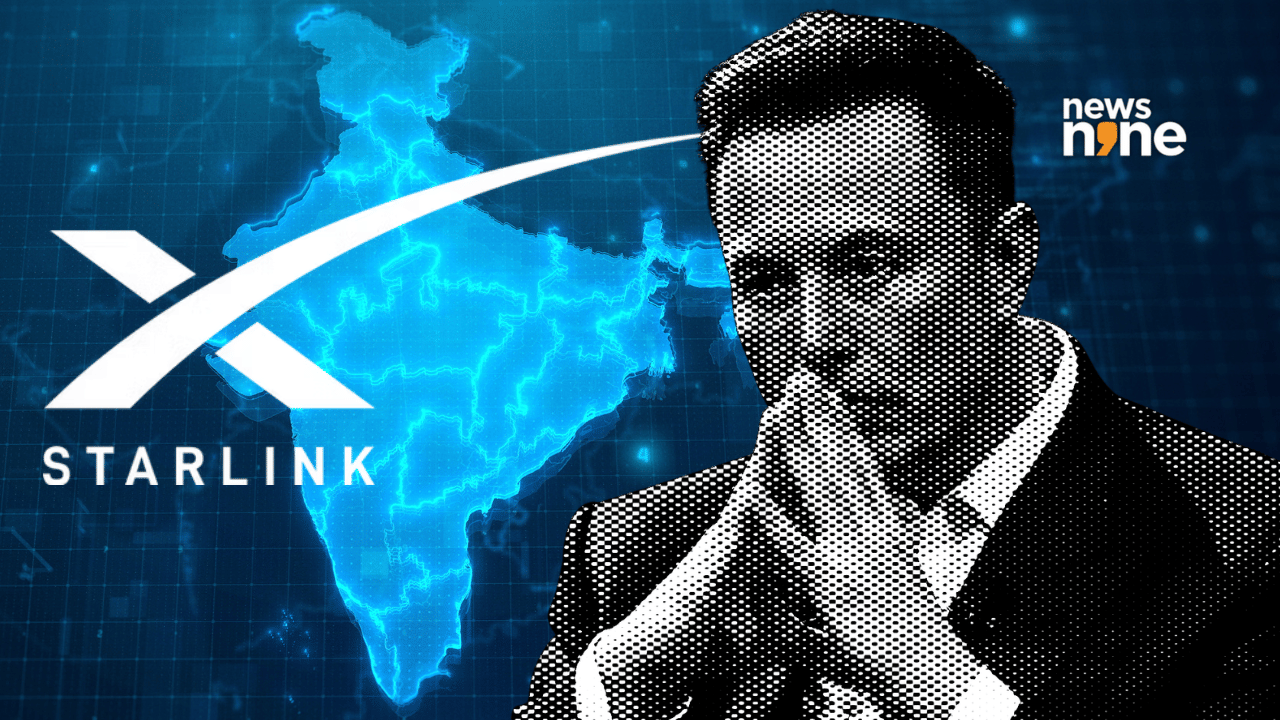
Starlink, the satellite internet division of SpaceX, aims to solve one of the world's most persistent problems: providing reliable, high-speed internet to remote and underserved areas. For India, a country with vast rural regions where terrestrial broadband
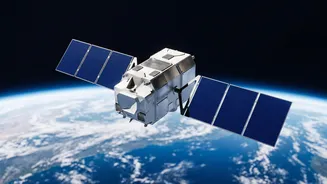
is often unfeasible, the promise is immense. Just recently, Elon Musk reiterated that Starlink would help the "least served in India, especially in rural areas". The service uses a constellation of Low Earth Orbit (LEO) satellites to beam internet directly to users, bypassing the need for extensive ground infrastructure. This technology could be a game-changer for everything from education and healthcare in remote villages to disaster response when traditional networks fail.
Navigating a Complex Regulatory Maze
Getting the green light in India is not a simple process. Starlink requires multiple layers of approval. This includes a Global Mobile Personal Communication by Satellite (GMPCS) license from the Department of Telecommunications (DoT), which it has secured. It also needs authorisation from the Indian National Space Promotion and Authorisation Centre (IN-SPACe) for its satellite constellation. While its first-generation (Gen 1) satellite network received this approval, the more advanced Gen 2 system has faced hurdles. An initial application for the Gen 2 network was reportedly rejected due to non-conformity with certain technical and frequency band requirements. Starlink has since submitted a revised application for nearly 30,000 Gen 2 satellites, which is currently under review.
The Core Issue: National Security
The primary roadblock for Starlink's commercial launch is national security. Indian security agencies, under the Ministry of Home Affairs, have reportedly frozen final clearances. Concerns stem from the government's potential inability to control a foreign-based operator during periods of geopolitical tension. Reports that Starlink terminals were used in conflict zones where the service was not officially licensed have heightened these anxieties in New Delhi. Authorities are seeking assurances on how Starlink would comply with Indian security requirements, such as lawful interception of data and preventing unauthorised use, especially when faced with conflicting demands from other governments. The core question is about maintaining sovereign control over critical communication infrastructure.
A New Generation of Satellite Tech
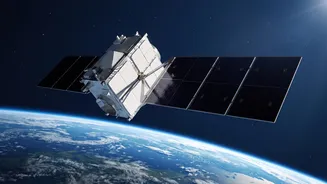
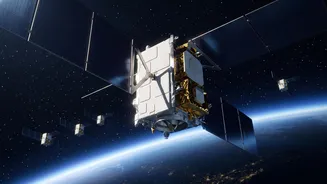
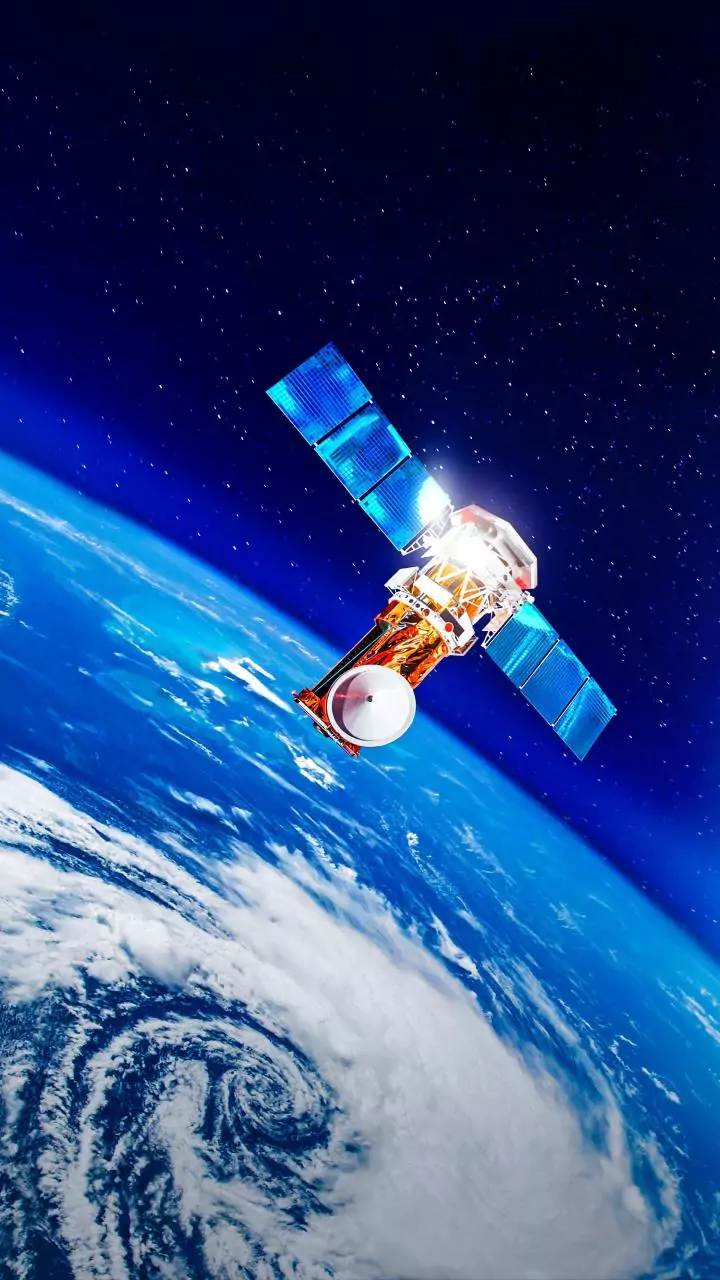
The pending approval specifically concerns Starlink's Gen 2 satellites. These are not just an incremental upgrade; they are significantly more powerful and advanced than the first generation. A key feature of the Gen 2 network is its proposed direct-to-device (D2D) capability. This would allow compatible mobile phones to connect directly to satellites for services like texting and calling, even in areas with no conventional mobile towers. This technology represents a massive leap, but also complicates the regulatory picture as India is still finalising its framework for D2D services and spectrum allocation.
The Competitive Landscape
Starlink isn't operating in a vacuum. The Indian satellite communications market is heating up with formidable domestic and international players. Bharti-backed Eutelsat OneWeb and Reliance's Jio Satellite Communications already hold the necessary GMPCS licenses to operate in India. Both companies are making significant strides. Jio has partnered with satellite operator SES, while Bharti's backing of OneWeb gives it a strong position. This creates a competitive dynamic where the Indian government may be inclined to favor homegrown solutions or at least ensure a level playing field. The presence of these powerful rivals adds another layer of complexity to Starlink's approval process.