





Meet the U1 Humanoid Companion
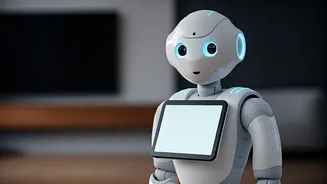
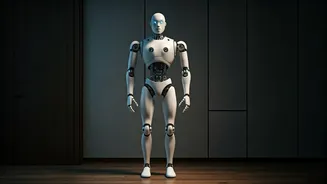
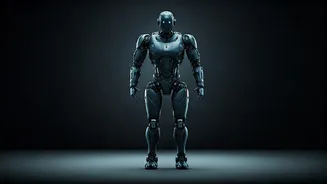
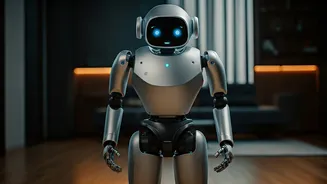
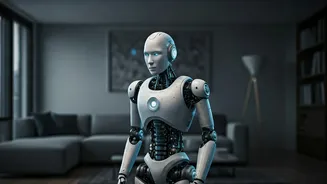
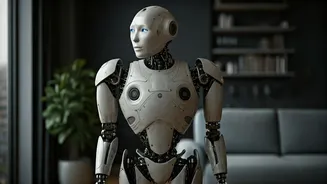
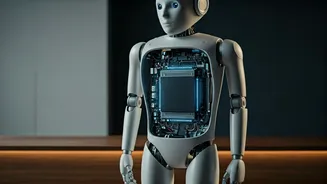
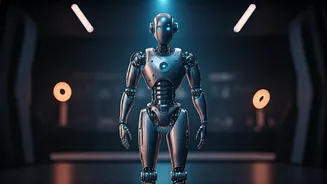
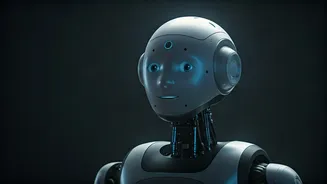
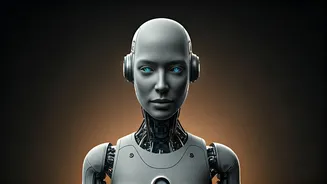
Imagine a full-sized, hyper-realistic robot in your home. This is the promise of the U1 series, recently unveiled by robotics firm UBTech. Available in male and female models, the U1 is designed to be a companion, not a factory worker. It boasts strikingly
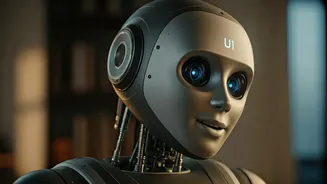
realistic silicone skin, expressive eyes, and 88 degrees of freedom for incredibly fluid, human-like movements. Instead of focusing on heavy lifting, the U1 is built for social connection. Its core feature is an advanced on-device AI that can analyze your tone of voice and facial expressions to understand your mood, hold natural conversations, and remember personal details to evolve as a companion. With a price tag starting around $30,000, it represents a premium entry into the world of consumer robotics.
Why the 'Adults-Only' Restriction?
The decision to market a consumer device exclusively to adults is rare outside of specific media or regulated products. While UBTech has focused on the U1's role as an emotional support companion for adults, particularly targeting loneliness, the adult-only framing points to deeper considerations about safety and ethics. The complexity of the technology is one factor. A full-sized, mobile robot navigating a home requires a level of user understanding and responsibility that a child may not possess. Furthermore, the U1’s core function is to form a connection through an 'emotional growth-based' AI model. This raises significant questions about its potential psychological impact on a developing mind, which is a key reason many experts advocate for caution when exposing children to advanced AI.
The Uncharted Territory of AI and Child Development
Researchers are increasingly concerned about how AI companions could affect children's development. Adolescence is a critical time for learning essential social skills like conflict resolution, empathy, and setting boundaries through real-world interactions. An AI that is programmed to be consistently agreeable and non-judgmental could give a child unrealistic expectations about human relationships, a phenomenon experts call 'maladaptive relational learning'. There's also the risk of 'relational displacement,' where a child might substitute conversations with an AI for more challenging, but ultimately more rewarding, interactions with family and friends. While some AI can be beneficial for education, experts warn that using it as a primary source of companionship for children is a step into the unknown.
Data, Privacy, and Physical Safety
Beyond psychological concerns, practical safety and privacy issues are paramount. A humanoid robot designed for interaction collects vast amounts of personal data, from conversations to facial expressions. UBTech has stressed that the U1 processes most data locally with strong encryption, but any internet-connected device presents potential vulnerabilities. The physical capabilities of a full-sized robot also present risks. While the U1 is built on advanced balance and navigation technology, the potential for accidents in a home with unpredictable children is a serious liability. By restricting the U1 to adults, the company is not only addressing complex ethical questions but also mitigating significant safety and legal risks.
A New Precedent for the Future of Home Tech
The U1's launch marks a pivotal moment for the consumer technology industry. Age restrictions have long been a feature of software, social media, and gaming, but applying them to a major piece of hardware is a significant step. This move sets a precedent for how future developers of advanced AI and robotic systems might approach their responsibilities. It acknowledges that some technologies, because of their power to simulate social connection and their potential for unforeseen consequences, may not be appropriate for all ages. The adult-only rule forces a much-needed public conversation: as machines become more human, we must decide how, where, and with whom they belong in our lives.