


A New Star on the Horizon
The Gujarat government is set to develop Asia's first desert-themed drive-through night safari and zoological park in Deesa, located in the Banaskantha district of North Gujarat. The Central Zoo Authority recently approved the ambitious project, paving
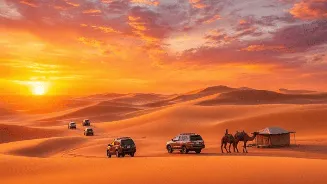
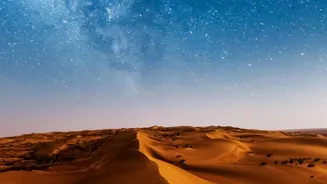
the way for a ₹542.14 crore investment into a unique eco-tourism destination. Spanning 103 hectares of government land at Juna Deesa, the site was chosen for its natural sand dunes and proximity to the Banas River, providing an authentic arid landscape. This initiative is more than just a new attraction; it represents a strategic effort to put North Gujarat on the global wildlife map while promoting conservation and creating new employment opportunities in the region.
Creatures of the Night
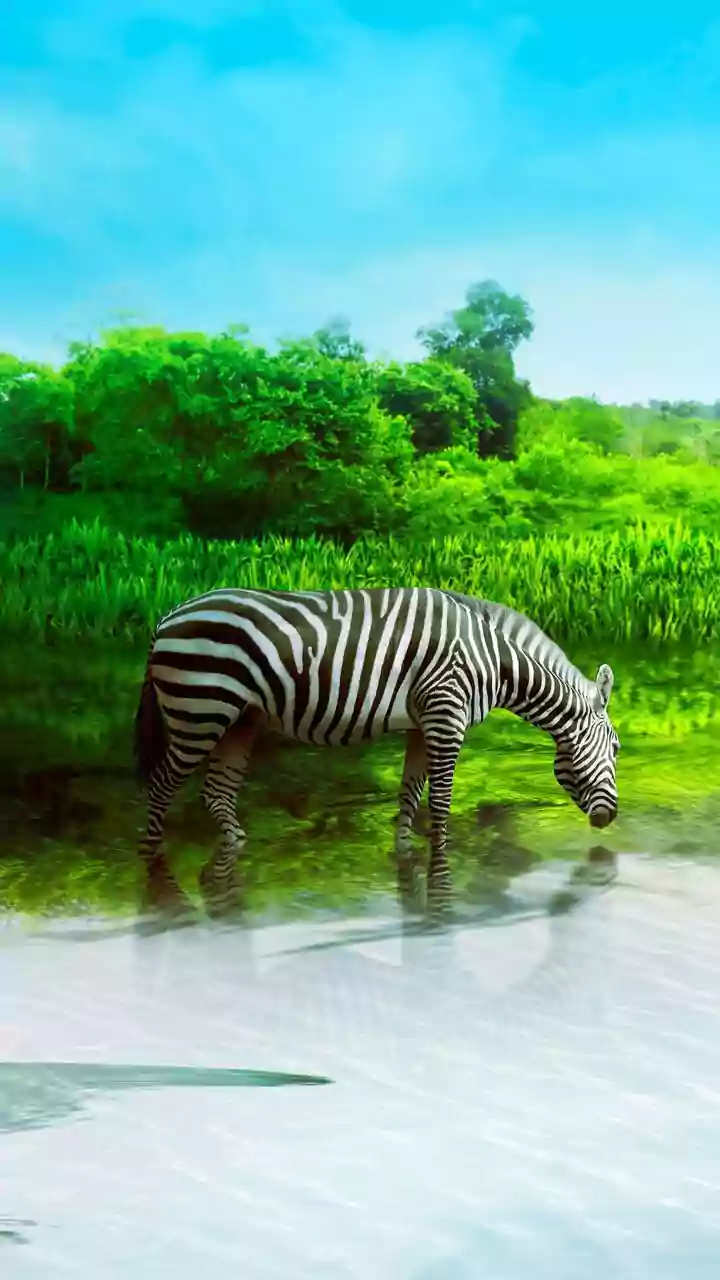
The main allure of the Deesa project is its focus on nocturnal animals. The park will feature five dedicated night safari enclosures, allowing visitors to observe creatures in a specially designed habitat after sunset. The facility is planned to house around 2,700 animals from nearly 83 species. Visitors can expect to see a fascinating array of Indian species native to arid ecosystems, including the sloth bear, Indian wolf, caracal, desert fox, striped hyena, and golden jackal. The Banaskantha region is already home to the Jessore Sloth Bear Sanctuary and the Balaram Ambaji Wildlife Sanctuary, which host diverse fauna like leopards, blue bulls (nilgai), and porcupines, indicating a rich local biodiversity that the new park will build upon. In addition to native wildlife, the park also plans to showcase exotic species from African and Australian deserts, such as giraffes, zebras, kangaroos, and emus, offering a truly global desert experience.
Diversifying Beyond the Pride
For decades, Gujarat's tourism brand has been heavily reliant on Gir National Park, the last abode of the Asiatic lion. While immensely successful, this has concentrated tourist footfall in a single region. The Deesa night safari is a deliberate move to diversify the state’s offerings. By creating a world-class attraction in North Gujarat, the government aims to spread the economic benefits of tourism more evenly across the state. This strategy not only reduces the immense pressure on Gir's ecosystem but also introduces tourists to a completely different, yet equally captivating, aspect of Gujarat's natural heritage—the desert. The project is expected to become a major stop on a tourist circuit that includes nearby destinations like the temple town of Ambaji and the border viewing point at Nadabet, creating a more robust travel itinerary for visitors to the region.
More Than Just a Safari
The Desert Zoological Park and Night Safari aims to be a multifaceted institution. Beyond tourism, it will serve as a vital centre for wildlife conservation, breeding, rescue, and rehabilitation. The project incorporates a strong focus on education, with an interpretation centre designed to raise awareness about desert ecosystems. The development will also include a separate day zoo, an aviary, a reptile house, and even a butterfly park, ensuring a comprehensive experience for visitors of all ages. Officials have stressed that the park will be built using green technologies, including rainwater harvesting, solar energy, and solid waste management systems, to minimise its environmental footprint. This holistic approach combines entertainment with a deep commitment to conservation and scientific study, setting a new standard for zoological parks in the country.
An Economic Oasis for the Region
The establishment of such a large-scale project is poised to be a significant economic driver for the Banaskantha district. The construction and operation of the park will directly create jobs and stimulate local businesses. Tourism brings a multiplier effect, where money spent by visitors circulates through the local economy, benefiting hotels, restaurants, transport providers, and artisans. By drawing both domestic and international tourists to a previously less-travelled area, the Deesa safari can spur infrastructure development, including better roads and public amenities, improving the quality of life for residents. This initiative aligns with Gujarat's broader tourism policy, which aims to generate millions of jobs and leverage tourism as a key pillar of economic growth. For the people of Banaskantha, the safari represents not just an attraction, but an opportunity for sustainable prosperity.