



The Appeal of Blind Tasting
A blind tasting removes all preconceptions. When you don't know the name, price, or type of tea, you can focus purely on your senses. This approach levels the playing field, making it an ideal activity for a group with mixed tea knowledge. Guests can discover
what they genuinely enjoy without being influenced by fancy labels or expectations. The mystery adds an element of fun and encourages conversation as everyone shares their impressions and tries to guess what they are drinking.
Choosing the Right Teas
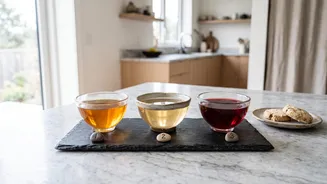
For a first-time tasting, variety is key, but don't overwhelm your guests. Aim for three to five different teas that showcase a range of profiles. A great starting lineup includes one from each of the main categories: a delicate white tea, a grassy green tea, a complex oolong, and a robust black tea. You could also include a caffeine-free herbal tisane, like chamomile or peppermint, as a final option. Use high-quality, loose-leaf teas if possible, as they provide a more authentic flavour. The goal is to highlight the contrast between different processing methods.
Gathering Your Essential Tools
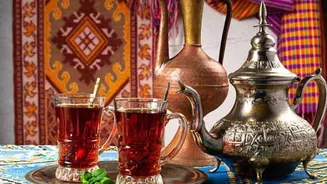
You don't need professional equipment to host a successful tasting. The essentials include a kettle for hot water, a timer, and separate teapots or infusers for each tea to prevent flavour mixing. For serving, small, white ceramic cups are ideal because they allow guests to clearly see the colour of the brewed tea, which is part of the experience. To keep the tasting 'blind', you'll need a way to code each tea. Simple numbered labels on the bottom of cups or on the teapots work perfectly. Also, provide pens and notecards for guests to jot down their thoughts.
Setting the Stage for Sipping
A little preparation makes the event run smoothly. Before guests arrive, measure out the tea leaves for each pot. Set up a station for each numbered tea or arrange the cups in a flight for each guest. The tasting order matters: always move from the lightest teas to the darkest to avoid overwhelming the palate. A typical order would be white, green, oolong, and then black tea. Also, have filtered water ready and some palate cleansers available, like plain crackers or water biscuits.
Guiding Guests Through the Tasting
Encourage your guests to engage all their senses. Before brewing, you can pass around small bowls of the dry leaves for everyone to examine and smell. Once brewed, guide them through four key steps: observing the colour, smelling the aroma, tasting the flavour, and noticing the mouthfeel. For tasting, a loud slurp isn't rude—it's encouraged! Slurping aerates the tea and spreads it across the entire palate, revealing more complex notes. Prompt discussion with open-ended questions like, 'What does this aroma remind you of?' or 'Is the flavour sweet, earthy, or floral?'. There are no wrong answers; it’s all about personal experience.
Simple Snacks and Pairings
While tea is the main event, light snacks are a good idea. The key is to choose foods that won't overpower the delicate flavours of the teas. Simple, neutral options are best. Think plain scones, shortbread cookies, mild cheeses, unsalted nuts, or fresh apple slices and grapes. Avoid anything too spicy, garlicky, or strongly flavoured. These snacks serve a dual purpose: they prevent guests from getting hungry and act as effective palate cleansers between different teas. You can serve the snacks after tasting a few teas to give everyone's palate a break.