







Embrace the Rhythm of the Seasons
The single most effective way to save money and enjoy the best flavour is to buy vegetables that are in season. When produce is abundant, its price naturally drops. In India, the agricultural calendar offers a diverse bounty throughout the year. Winter
(November to February) is the time for leafy greens like spinach (palak) and fenugreek (methi), alongside carrots, peas, and cauliflower. Summer (March to June) brings a variety of gourds, okra (bhindi), and cucumber, perfect for lighter, hydrating meals. During the monsoon (July to September), you'll find corn, brinjal, and yams in abundance. Aligning your shopping list with this natural cycle means you get fresher, more nutritious produce for a fraction of the out-of-season cost.
Befriend Your Local Sabzi Mandi
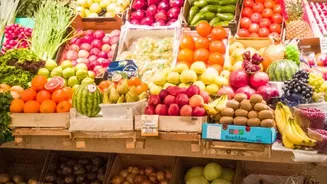
While supermarkets offer convenience, your local vegetable market, or 'sabzi mandi', is often where the best value lies. Produce at the mandi is typically fresher because it travels a shorter distance from farm to stall, reducing transport costs and spoilage. Building a relationship with a regular vendor can also pay dividends. A trusted 'sabziwala' will often give you the best produce, offer fair prices, and might even throw in some free coriander (dhaniya) or chillies. These markets also allow you to buy exactly the quantity you need, unlike pre-packaged supermarket selections, which helps in reducing food waste.
Master the Art of Smart Buying
Shopping efficiently isn't just about where you buy, but how. Before you leave home, plan your meals for the week. A clear list prevents impulse purchases, which can quickly inflate your bill. When at the market, don't be afraid to inspect the produce. Look for vegetables that are firm, brightly coloured, and free from soft spots or blemishes. However, don't dismiss produce that looks slightly imperfect; it's often just as nutritious and can sometimes be bought at a discount. For staples like onions and potatoes, buy in larger quantities when prices are low, but only if you have a proper place to store them. For most other vegetables, buying what you need for a few days ensures maximum freshness.
Extend Freshness with Proper Storage
What you do after shopping is just as important as the shopping itself. Proper storage can dramatically extend the life of your vegetables, ensuring your money doesn't end up in the bin. Leafy greens like spinach and coriander should be washed, dried thoroughly, and wrapped in paper towels or a muslin cloth before being placed in the fridge; this absorbs excess moisture and prevents rotting. Root vegetables like carrots and radishes should have their green tops removed before refrigeration. Onions and potatoes need a cool, dark, and well-ventilated space, but they should never be stored together, as gases they release cause each other to spoil faster. Tomatoes are best left at room temperature to preserve their flavour.
Get Creative and Reduce Waste
Even with the best planning, you might find yourself with vegetables that are about to go bad. This is where a little kitchen creativity comes in. Vegetables that are slightly wilted, like carrots or celery, can be revived in a bowl of ice water. Soft tomatoes can be turned into a quick puree or soup base and even frozen in ice trays for later use. You can also consider freezing vegetables like peas and chopped beans. A quick blanch (a brief dip in boiling water followed by an ice bath) before freezing helps preserve their texture and nutrients. For herbs like mint and coriander, grinding them into a paste for the fridge ensures they last much longer.