
Mumbai: The Unstoppable Vada Pav
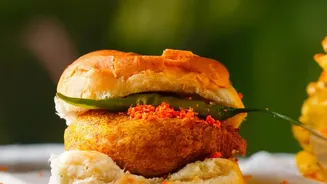
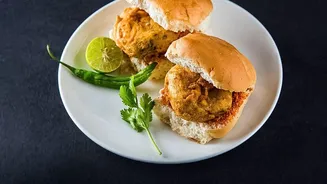
Often called the 'common man's burger', Mumbai's vada pav is more than a snack; it's an emotion that fuels the city. Born in the 1960s as a quick, affordable meal for textile mill workers, its appeal has only broadened. The classic formula of a spiced
potato fritter (vada) tucked into a soft bread roll (pav) with fiery garlic chutney remains a street-side staple. But its journey hasn't stopped there. The vada pav has adapted to Mumbai's own evolution. Today, trendy cafes and upscale restaurants feature 'deconstructed' or 'slider' versions, introducing it to a new audience that might not frequent traditional street stalls. Food delivery apps have also made it easier than ever for young professionals to get their fix, ensuring this humble snack remains a constant in the fast-paced lives of Mumbaikars, old and new.
Kolkata: The Ever-Present Phuchka Ritual
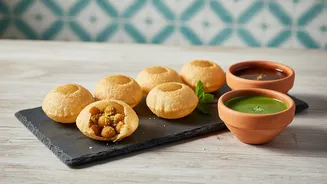
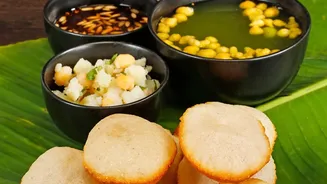
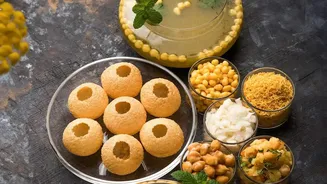
In Kolkata, it's not just a snack; it's a ritual. Known as phuchka, these crispy, hollow spheres are a cornerstone of the city's street food identity. While other parts of India have pani puri or golgappa, Kolkatans take pride in their unique version, distinguished by its spicy potato filling and tangy tamarind water, often fragrant with Gandharaj lime. The experience is inherently social and intergenerational—families, students, and couples gather around phuchka-wallas, sharing gossip and laughter. This timeless ritual is now being documented and celebrated by a new generation on social media. Food vloggers debate the city's best vendors, and creative entrepreneurs are even experimenting with new fillings and flavoured waters, from cheese to chocolate, ensuring the beloved phuchka continues to evolve while retaining its cultural soul.
Delhi: The Enduring Empire of Chaat
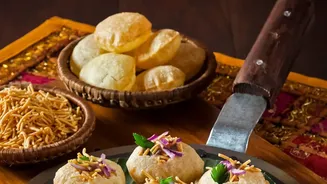
Delhi's relationship with chaat is centuries old, with origins tracing back to the Mughal era. It's a universe of flavours—a mix of sweet, sour, spicy, and tangy elements designed to be irresistible. From aloo tikki to dahi bhalla, the variety is staggering, and these snacks have long been a feature of the city's bustling markets like Chandni Chowk. Today, this legacy is carried forward not just by decades-old stalls but by a new wave of culinary interest. The culture of chaat is being preserved as it adapts to modern standards of hygiene and presentation, with live chaat counters becoming staples at weddings and events. Food tours through Old Delhi introduce the history and complexity of these dishes to tourists and young locals alike, while social media buzz around iconic vendors keeps the legends alive for a digital-first generation.
Jaipur: The Royal Legacy of Pyaaz ki Kachori
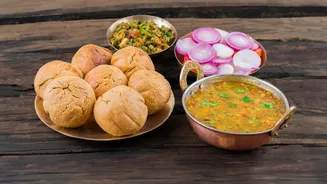
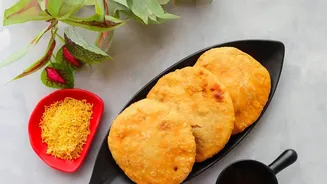
In the Pink City, the pyaaz ki kachori is more than just a snack; it's a piece of culinary heritage. This deep-fried pastry, with its flaky crust and spicy onion filling, is believed to have roots in the royal kitchens of Rajasthan. It's a hearty, flavourful snack that has become a beloved fixture of Jaipur's street food scene, enjoyed for breakfast or as a teatime indulgence. Legendary outlets like Rawat Misthan Bhandar have been serving these kachoris for decades, becoming a must-visit destination for anyone in the city. Its fame ensures that every generation of locals and tourists alike seeks it out. The tradition is so strong that the recipe and experience have remained largely unchanged, a testament to its timeless appeal that needs no modern reinvention to stay relevant.
Chennai: Tradition Packaged for Today
Chennai's snack culture is deeply tied to both everyday life and festive occasions, with items like murukku and sundal holding a special place. Murukku, a crunchy, spiral-shaped snack made from rice and lentil flour, is a traditional staple. Sundal, a simple and nutritious dish of steamed lentils tempered with spices, is famously associated with beach outings and temple festivities. While these snacks continue to be made in homes, their visibility for younger generations has been amplified by modern commerce. Brands like Grand Sweets and A2B have turned these traditional homemade items into neatly packaged goods available in stores and online. This accessibility means that even those without the time or knowledge to prepare them from scratch can easily enjoy a taste of tradition, keeping these classic flavours a part of contemporary life.