




A Formal, Regulated Approach
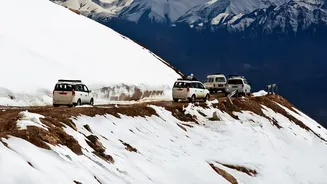
Unlike traditional snow leopard treks, which are often rugged, multi-day walking expeditions organised by private operators, the new safari is a formal, government-supported initiative. Launched in late 2026, it introduces regulated vehicle-based tourism
into high-altitude wildlife areas. This initiative, a collaboration between the Ladakh administration and the Snow Leopard and High-Altitude Nature Conservation (SHAN) Society, uses specially designed, open-back vehicles with trained local drivers and guides. The primary goal is to provide a structured visitor experience while preventing issues like illegal off-roading and wildlife disturbance that can occur with unregulated tourism.
Community-Led Conservation at its Core
Perhaps the most distinctive feature of this safari is its emphasis on community partnership. The model is designed to make local communities active partners and primary beneficiaries of conservation. For years, snow leopard tourism in Ladakh has been evolving, with programs like the Himalayan Homestays turning locals who once saw the predator as a threat to their livestock into its staunchest protectors. This new safari builds on that foundation, creating sustainable livelihoods for youth as certified guides, drivers, and conservation stewards. The income provides a powerful incentive to protect the fragile ecosystem, shifting the dynamic from human-wildlife conflict to coexistence.
Strategic Sighting Zones
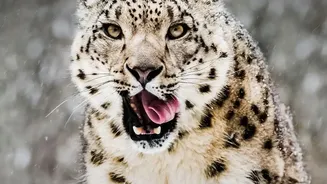
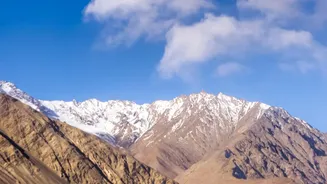
While a sighting is never guaranteed, the safari operates in strategically identified areas known for high snow leopard density. Initial routes focus on valleys like Rumbak, Shang, and Ulley, all famed hotspots within the greater Hemis National Park landscape. Ladakh is home to an estimated 477 snow leopards, the highest population in India, making it one of the best places in the world to track the species. The safaris take place during the harsh winter months, typically from January to March. During this time, the snow leopards' primary prey, like the bharal (blue sheep), descend to lower altitudes, and the predators follow, increasing the chances of a sighting against the snowy backdrop.
More Than Just Leopards
While the snow leopard is the star attraction, the safari is curated to showcase the rich biodiversity of the trans-Himalayan region. The guided tours offer a rare opportunity to spot other unique high-altitude wildlife. This includes the Asiatic ibex, Himalayan wolf, and an array of bird species like the golden eagle and Himalayan griffon. The initiative is also developing dedicated bird-watching hides and training local youth in bird identification to enhance the overall wildlife experience. This makes the expedition a rewarding adventure for any nature lover, even if the elusive 'shan' remains hidden.
A Focus on Patience and Respect
This experience is the antithesis of a fast-paced, checklist-driven tour. Tracking a snow leopard is an exercise in patience and endurance. The terrain is vast, the air is thin, and the temperatures can drop to extreme lows. The safari emphasises responsible and ethical viewing practices. Guides and trackers, many of whom are villagers with generational knowledge, use powerful spotting scopes to scan ridges from a respectful distance, ensuring minimal disturbance to the animals. It is an immersive journey that teaches visitors to slow down, observe the landscape, and appreciate that the search itself is as profound as the sighting.