





Why Your Body Craves a Feast
Understanding the urge to overeat is the first step in managing it. After a period of restricted eating, your body's digestive system slows down. The production of digestive enzymes is reduced, making it less prepared for a sudden onslaught of heavy,
rich food. Physiologically, your body has been running on different fuel sources, and it naturally craves a quick energy boost, which we often interpret as a license to eat everything in sight. This biological drive is coupled with a psychological one; after days of restraint, it feels natural to reward yourself. This combination makes post-fasting overeating a common pitfall. The key isn't to fight the craving but to satisfy it intelligently.
Start Slow and Gentle
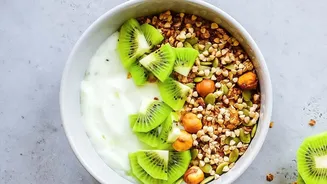
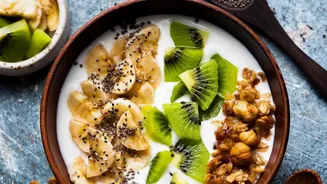
Your digestive system has been in a state of rest. Shocking it with a large, greasy, or spicy meal can lead to significant discomfort, including bloating, stomach cramps, and acidity. The first 24 to 48 hours after your fast are critical. The best approach is to reintroduce foods gradually, starting with small, easily digestible meals. Think of it as waking your system up gently. Begin with liquids and soft foods. Coconut water, buttermilk, light vegetable soups, and plain yogurt are excellent choices. These options hydrate you and provide essential nutrients without overwhelming your gut. Eating slowly and chewing thoroughly gives your brain time to register that you are full, preventing you from consuming more than you need.
Reintroduce Foods Strategically
A phased approach to reintroducing different food groups is the most effective strategy. After an initial day of liquids and very light solids, you can start bringing back other foods. Start with cooked vegetables and simple proteins. Steamed or lightly sautéed vegetables are easier to digest than raw ones. For protein, opt for lighter choices like dal, tofu, or paneer before moving on to heavier options. Grains, especially whole grains that are high in fiber, should be reintroduced carefully. A small portion of khichdi or plain rice is a better choice than a stack of rotis or parathas on the first day. Listen to your body; if a particular food causes discomfort, give your system more time before trying it again.
Hydration is Your Ally
Often, our bodies mistake thirst for hunger, especially after a fast when fluid balance might be off. Staying well-hydrated is one of the simplest and most effective ways to manage post-fasting hunger and aid digestion. Water is paramount. Aim to drink plenty of it throughout the day. Beyond plain water, traditional Indian drinks can be incredibly beneficial. A glass of buttermilk (chaas) can aid digestion and cool the system. Unsweetened coconut water replenishes electrolytes naturally. Herbal teas without sugar are also a great way to stay hydrated and soothe your digestive tract. Avoid sugary juices and carbonated drinks, as they can cause blood sugar spikes and gas.
Foods to Embrace and Avoid
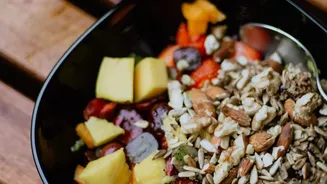
To make the transition seamless, focus on a simple rule: eat whole, simple foods. Your post-Navratri plate should be balanced and gentle. Foods to embrace include fruits like papaya and pears, cooked vegetables like pumpkin and zucchini, and probiotics like homemade curd. These foods are nourishing and easy on the gut. On the other hand, it is wise to avoid certain foods for a few days. Steer clear of deep-fried items, overly processed snacks, and anything with excessive sugar. Rich, heavy curries and very spicy dishes can also irritate the stomach lining. You don't need to follow a special 'detox' diet; simply reintroducing your normal, healthy meals gradually is the best detox of all.