



The New Winners in the Lunar Race
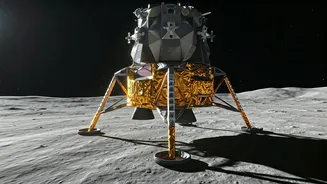
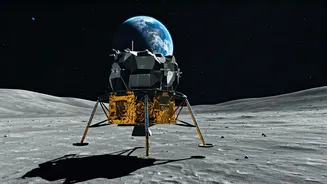
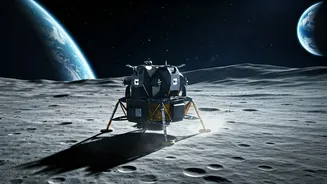
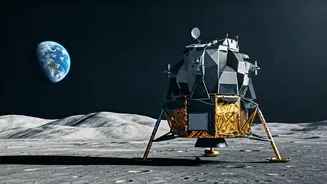
On June 30, NASA awarded nearly $590 million in new contracts to three American companies to perform four robotic landing missions by late 2028. The funds were distributed among a few key players in the commercial space race. Astrobotic Technology secured
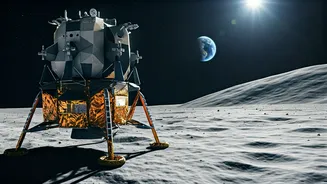
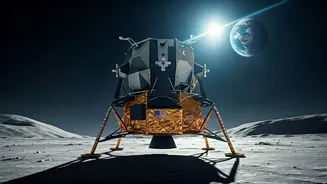
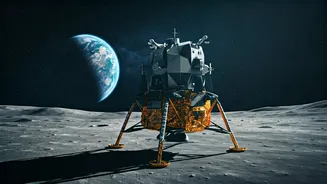
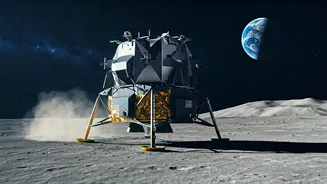
the largest share, receiving about $298 million for two separate deliveries. Firefly Aerospace was granted $144.2 million for one mission, and Intuitive Machines received $148.3 million for its own lunar delivery. These uncrewed missions are tasked with transporting NASA science instruments and technology demonstrations to the Moon, all in service of the agency's ambitious Artemis program.
NASA's Commercial-First Strategy
This latest round of funding is a clear signal of NASA's evolving strategy. Rather than building and operating all its own spacecraft, the agency is acting as a customer, buying payload delivery services from a growing ecosystem of private companies. This model, known as Commercial Lunar Payload Services (CLPS), is designed to foster innovation, reduce costs, and increase the frequency of missions to the Moon. By treating lunar transport as a service, NASA helps create a sustainable market for these companies beyond just government contracts. This approach allows the agency to focus on its broader goals—like establishing a permanent moon base—while industry handles the logistics of getting there. This initiative is seen as essential for creating a steady cadence of flights that will pave the way for eventual astronaut missions.
Building Blocks for a Moon Base
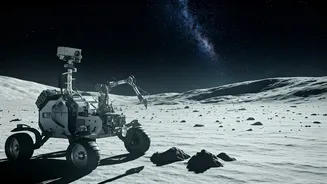
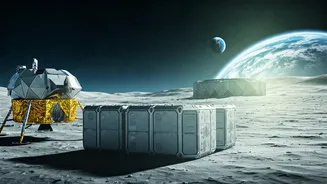
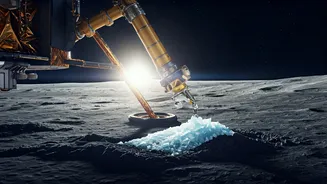
These missions are not just one-off science trips; they are foundational steps toward building a permanent human settlement on the Moon, currently dubbed "Moon Base." The payloads delivered by these commercial landers will gather crucial data about the lunar environment. For instance, each of the newly funded landers will carry instruments to study how rocket exhaust kicks up lunar dust, deploy reflectors to improve navigation, and monitor the radiation environment. This information is vital for designing safe, long-term habitats for astronauts at the lunar south pole. The overall Artemis plan aims to use the Moon as a proving ground for technologies and strategies that will eventually be needed for human exploration of Mars.
Meet the Delivery Services
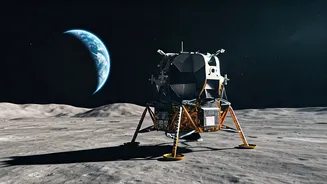
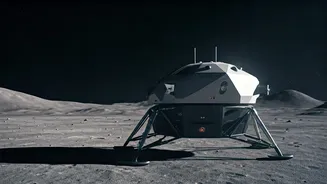
The companies selected have a mix of experience. Intuitive Machines made history in 2024 as the first private company to achieve a soft landing on the Moon, though the lander tipped, limiting its mission. Firefly Aerospace also successfully landed a robotic craft on the Moon. Astrobotic, which received the largest award, is developing an updated version of its Peregrine lander after an earlier attempt in 2024 failed to reach the Moon due to a propulsion issue. NASA is betting that these companies, having learned from both successes and failures, are ready to provide reliable and repeated service. The recent funding is for updated versions of landers that have already flown, a move intended to increase the mission cadence.
What Comes Next?
The newly funded missions are slated for late 2028, though officials note they could launch earlier. These are part of a larger manifest of 17 commercial deliveries currently planned. The ultimate goal is to establish a sustained human presence, with NASA planning to invest over $20 billion in the next seven years to build its lunar base. However, challenges remain. The space agency faces budget uncertainty and technical hurdles, including a recent explosion of Blue Origin's New Glenn rocket, which has raised questions about the timeline for other key deliveries. Despite these issues, NASA is pushing forward, signaling to the private sector that the demand for lunar infrastructure is here to stay as it works toward putting astronauts back on the Moon.