








A Tradition Renewed
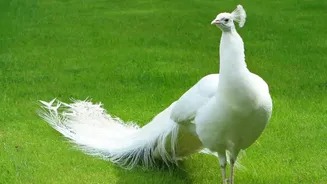
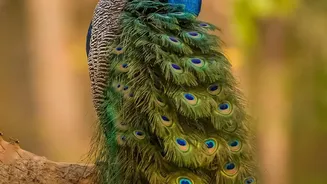
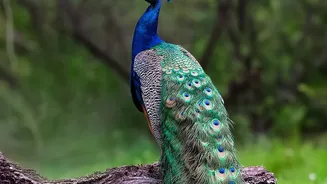
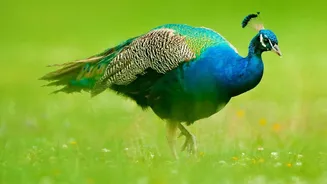
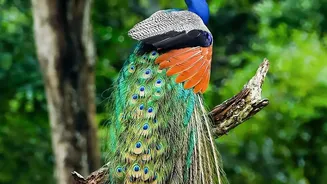
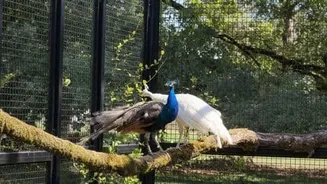
The United Nations office in Geneva (UNOG) has welcomed five young peacocks to its historic Ariana Park. The birds—four blue peafowl and one striking white male—were a gift from the Permanent Mission of India, replenishing the park's peafowl population
which had reportedly dwindled to a single bird. This gesture is a continuation of a long-standing tradition of keeping the majestic birds on the grounds, a practice that predates both the United Nations and its predecessor, the League of Nations. UNOG Director-General Tatiana Valovaya noted the delightful symbolism, remarking that the new arrivals are in "typical United Nations colours: blue and white." The birds will spend about three months in a special aviary to adapt before they are allowed to roam the 46-hectare park freely.
The Peacocks of the Palais
The presence of peacocks in Ariana Park is a legacy that dates back to the 19th century. The park was originally the private estate of Gustave Revilliod, a Swiss art collector. In 1890, he bequeathed his property to the City of Geneva with three specific conditions: that he be buried on the grounds, that the park remains open to the public, and that his beloved peacocks be allowed to roam freely in perpetuity. The tradition was upheld when the estate became the home of the League of Nations and later the UN's European headquarters. This latest gift from India is not the first; then-Prime Minister Indira Gandhi sent a pair of peacocks from the Delhi Zoo in 1981, and other birds were donated by a Japanese zoo in 1997.
India's National Bird on the World Stage
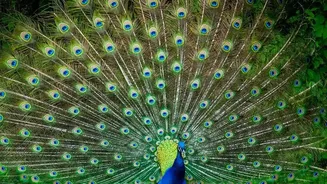
For India, the gesture is rich with cultural significance. The Indian Blue Peafowl, or Pavo cristatus, is the country's national bird, celebrated for its beauty and grace. In Indian culture and mythology, the peacock is a powerful symbol, often associated with royalty, divinity, and good fortune. Lord Krishna is frequently depicted with a peacock feather in his crown, and the bird is also the mount of the Hindu god of war, Kartikeya. By gifting these birds, India is engaging in a form of soft cultural diplomacy, sharing a living piece of its national heritage. India's Permanent Representative, Arindam Bagchi, called it a privilege to continue the tradition, reinforcing the partnership between India and the UN.
The Allure of the White Peacock
The inclusion of a white peacock makes the gift particularly special. This is not an albino bird, but a colour variation caused by a genetic mutation called leucism, which reduces pigmentation in the feathers but leaves the eyes their normal colour. Because of their rarity, white peacocks are surrounded by their own powerful symbolism. Across various cultures, they represent concepts of purity, innocence, spiritual awakening, and renewal. In some traditions, encountering a white peacock is seen as a sign of good fortune and transformation. Its presence among the blue peafowl in Geneva adds a layer of mystique and serves as a living work of art, reminding onlookers of the beauty found in rare and unexpected forms.