




The High Cost of 'Healthy'
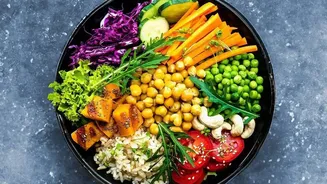
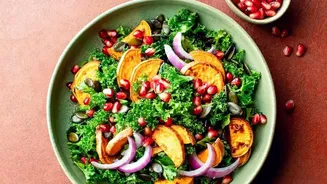
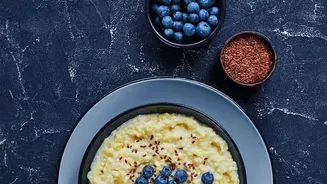
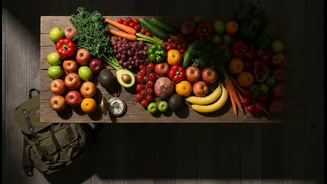
Scroll through social media, and you will see a parade of trendy 'superfoods' promising vitality: quinoa bowls, avocado toast, and berry smoothies. This global wellness culture heavily influences urban Indian aspirations. However, these products often
come with a hefty price tag, largely because they are imported or have complex supply chains. While a well-known personality might endorse a particular exotic grain, the reality for an average family is dictated by the mandi prices of staples. Food inflation remains a persistent pressure, with the consumer food price index in June 2026 showing a 5.32% increase year-on-year. This constant rise in the cost of even basic ingredients forces difficult choices, pushing nutrition down the priority list when the primary goal is simply to have enough food on the table.
The Unseen Pressure on Households
The conflict isn't just about fancy trends; it's about the increasing cost of a basic, balanced diet. Studies have consistently shown that rising food prices disproportionately harm low-income families, who may spend over half their income on food. When the price of staples like vegetables, dals, or cooking oil increases, households are often forced to reduce consumption of these vital items. This can lead to what is known as hidden hunger, where a person consumes enough calories but lacks essential micronutrients. Research indicates that price spikes are directly linked to increased malnutrition, particularly among women and children, who often bear the brunt of household budget cuts. This economic pressure makes the advice to simply 'eat more fruits and vegetables' sound impractical when those very items become a luxury.
Rediscovering India’s True Superfoods
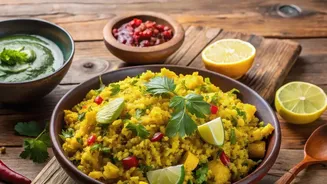
The good news is that optimal nutrition does not have to come from expensive, imported packages. India’s own culinary heritage is rich with affordable, nutrient-dense foods that have nourished generations. Millets like jowar, bajra, and ragi are packed with fibre and protein, gluten-free, and far more budget-friendly than quinoa. Our vast array of lentils and pulses—from moong and masoor to chana and rajma—are excellent sources of plant-based protein and essential nutrients. Instead of imported berries, seasonal fruits like amla (a vitamin C powerhouse), guava, and bananas offer immense nutritional benefits at a fraction of the cost. These are the original Indian superfoods, accessible and perfectly suited to our bodies and budgets.
Smart Strategies for a Healthy Kitchen
Eating well on a budget is not about sacrifice but strategy. It begins with shifting focus from trendy ingredients to traditional wisdom. A simple home-cooked meal of dal, roti, seasonal sabzi, and a side of curd is a complete, balanced, and affordable nutritional powerhouse. Planning meals for the week can reduce impulse buys and food waste. Shopping at local weekly markets for seasonal produce often ensures better prices and fresher goods than supermarkets. Incorporating affordable protein sources like eggs, peanuts, and soy chunks can also help meet nutritional goals without straining your wallet. It is about being an informed consumer and realizing that marketing hype does not equal nutritional superiority. A handful of roasted chana is a far healthier and cheaper snack than a processed protein bar.