



The Numbers Behind the New Trend
Recent data reveals a remarkable shift in traveller behaviour, with Wayanad leading the pack among India's hill stations. According to travel aggregator Cleartrip, the district has seen a staggering 160% year-on-year increase in hotel bookings this monsoon.
This isn't an isolated spike; it's part of a broader national trend where overall monsoon hotel bookings are up by more than 54%. For decades, the rainy months were considered the off-season, a time when hotels offered deep discounts to fill empty rooms. Now, what was once a lean period is becoming a planned part of the annual travel calendar for many Indians, who are actively choosing to chase the rains rather than escape them.
Why Wayanad in the Rain?
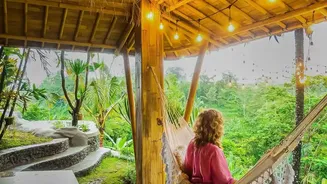
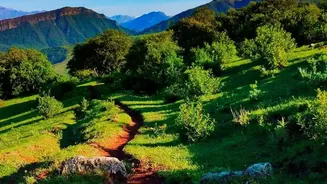
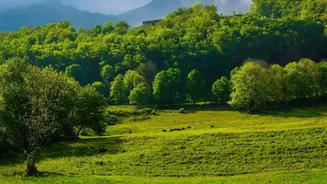
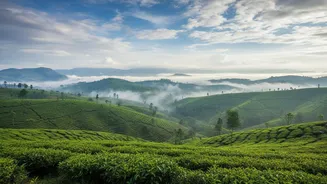
The primary driver of this trend is a growing desire for atmospheric and less crowded travel experiences. The monsoon transforms Wayanad into a lush, green paradise. Hills are shrouded in a romantic veil of mist, waterfalls like Soochipara and Meenmutty are at their thunderous peak, and the tea and coffee plantations glisten with a fresh, vibrant intensity. The climate is another major draw. While other parts of the country grapple with heat or disruptive downpours, Wayanad’s elevation in the Western Ghats ensures a pleasant and cool atmosphere, with temperatures often hovering between 18°C and 25°C. This refreshing weather provides a welcome escape, making the climate itself a key attraction.
An Experience Beyond Sightseeing
Modern travellers are looking for more than just pretty viewpoints; they want immersive experiences, and Wayanad delivers. The region has actively cultivated its reputation as a monsoon destination. Organisations like the District Tourism Promotion Council have worked with local businesses to promote unique rainy-season activities. Visitors can embark on guided treks through misty trails, though some routes may have restrictions for safety. Other popular activities include plantation walks through the fragrant spice gardens, exploring the ancient Edakkal Caves, and boating on the serene Pookode Lake, which takes on a magical quality when enveloped in fog. For the more adventurous, there's even waterfall rappelling and ziplining across the verdant landscape.
From Off-Season to 'Dream Season'
This transformation from a travel dead zone to a bustling destination was a conscious effort. In the past, hotel occupancy in Kerala could dip below 20% during the monsoon. In response, the tourism industry, supported by the government, rebranded the 'lean season' as the 'dream season'. They strategically highlighted the unique appeal of the rains, promoted Ayurveda treatments (which are considered particularly effective during this time), and created special events like monsoon carnivals and mud football tournaments. This, combined with the powerful influence of social media showcasing the dramatic beauty of rain-soaked landscapes, has successfully convinced travellers that the monsoon is not a season to be avoided, but one to be embraced.