




A Cascade of Destruction
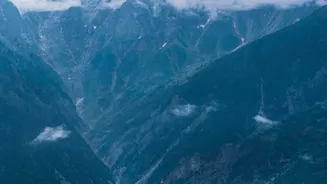
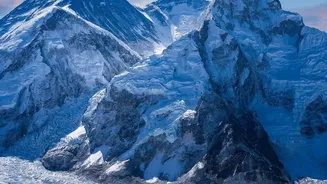
On August 26, 2026, a massive section of rock and glacier ice collapsed from a slope near the peak of Langtang Lirung, close to Nepal's border with China. The collapse was so powerful it registered as a magnitude 5.2 seismic event. This triggered a colossal
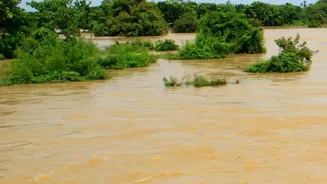
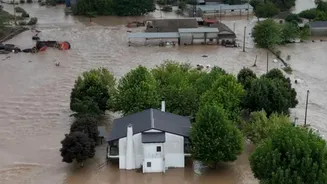
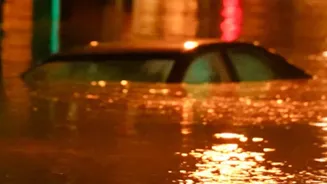
debris flow—a fast-moving slurry of water, ice, rock, and sediment—that surged through the Trishuli River valley at speeds over 170 kilometres per hour. The torrent obliterated entire villages, vital hydropower plants, and key infrastructure, including the main trade route connecting Nepal and China. The disaster claimed over 1,300 lives, with thousands more remaining missing, marking one of the region's deadliest recent calamities.
The Climate Connection
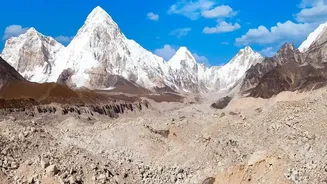
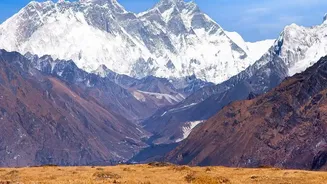
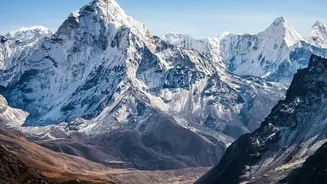
A new report from the World Weather Attribution group of scientists concludes that while climate change wasn't the sole trigger, it was a crucial 'preconditioning' factor. Long-term warming in the Himalayas, which are heating up faster than the global average, is having profound effects. Rising temperatures are thinning glaciers and, critically, thawing permafrost—the frozen ground that acts like cement, holding steep mountain slopes together. As this natural glue weakens, the rock and ice it supports become dangerously unstable. Scientists believe this gradual weakening, exacerbated by a record-hot summer and excessive meltwater, created the perfect conditions for the catastrophic collapse. It wasn't an extreme weather event in the traditional sense, but the fingerprints of long-term climate change are clear.
More Than Just a Flood
This event was a cascading disaster, a chain reaction of hazards that are becoming more common in a warming world. The initial rock and ice avalanche was just the beginning. Debris from the collapse temporarily dammed rivers, causing water to pool into unstable lakes. Days after the main event, one such barrier lake breached, causing a second wave of flooding and hampering rescue efforts. This type of multi-stage disaster highlights a growing risk in the high mountains. It's not just about rainfall; it's about the fundamental stability of the landscape itself being compromised by rising temperatures. Other factors, like the lingering geological weakness from a major 2015 earthquake, may have also played a role, creating a complex and deadly combination of pressures.
A Warning for India and the Region
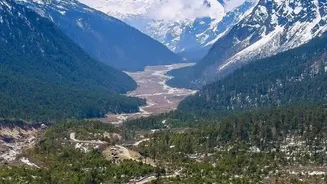
While the epicentre of this tragedy was in Nepal, its implications resonate across the entire subcontinent. The Himalayas are the source of ten major river systems that two billion people depend on. The same processes of glacial thinning and permafrost thaw are happening across the mountain range, from Uttarakhand to Sikkim and beyond. India has witnessed its own series of climate-linked mountain disasters, including the 2021 Chamoli flood, which was also triggered by a rock and ice avalanche. These events are a stark warning that what happens in the high Himalayas does not stay there. The stability of our water sources, the safety of downstream communities, and the integrity of critical infrastructure are all at risk from these rapidly changing mountain environments.
Beyond Adaptation's Limits
The Nepal flood also exposes a sobering reality: some climate impacts may be pushing us beyond our ability to adapt. Nepal had flood warning systems, but they were designed for monsoon-driven floods, not a sudden, high-velocity debris flow that can destroy the warning sensors themselves. Predicting such a collapse is extremely difficult. This event has intensified calls for greater international support through 'loss and damage' funds, which aim to help vulnerable nations cope with climate disasters that exceed their financial and technical resources. The path forward requires not only better monitoring and early-warning systems but also a fundamental rethinking of where and how we build infrastructure in these increasingly hazardous mountain corridors.