


The Power of Potassium
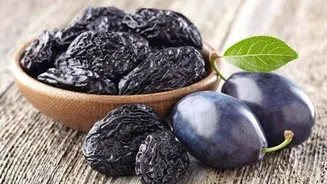
Prunes are an excellent source of potassium, a crucial mineral and electrolyte that plays a vital role in many bodily functions. Just a small serving of four to five prunes can provide a significant percentage of your daily recommended intake. Potassium
is essential for helping your muscles, nerves, and heart function properly. It also helps the body manage its fluid balance and can play a part in maintaining healthy blood pressure levels by helping to blunt the effects of sodium in your diet. Starting your day with a potassium-rich food like prunes helps ensure your body has what it needs for everything from muscle contractions to nerve impulses throughout the day.
Essential Vitamin K for Bone Health
The headline benefit of vitamin K in prunes is strongly linked to bone health. In fact, prunes contain more vitamin K than most other commonly eaten fruits. A single serving of about five prunes can deliver roughly 20% of your daily needs for this essential nutrient. Vitamin K is critical for bone metabolism and helps the body with calcium balance, which is necessary for maintaining bone density and strength. Studies have shown that regular consumption of prunes may help prevent bone loss, an effect attributed largely to their high vitamin K content, alongside other minerals like boron. This makes them a particularly beneficial food for postmenopausal women, who are at a higher risk for osteoporosis.
More Than Just Digestive Health
While prunes are famous for their digestive benefits, their nutritional profile is far more complex. They are packed with both soluble and insoluble fibre. Insoluble fibre helps keep your bowel movements regular, while soluble fibre aids in moderating digestion and nutrient absorption. This effect isn't just from fibre; prunes also contain sorbitol, a sugar alcohol that draws water into the gut, and phenolic compounds that contribute to their well-known laxative effect. Research suggests that eating prunes can be more effective than psyllium, a common fibre supplement, for relieving constipation. Beyond digestion, prunes also contribute to heart health by helping to lower cholesterol and inflammatory markers.
A Source of Protective Antioxidants
Prunes are rich in plant compounds called polyphenols, which have powerful antioxidant properties. These compounds, including neochlorogenic and chlorogenic acids, help protect your cells from damage caused by oxidative stress. This anti-inflammatory and antioxidant activity is believed to play a role in preventing chronic diseases. Some research suggests these properties may also contribute to the bone-protective effects of prunes, as inflammation can lead to bone loss. The polyphenols in prunes might also offer benefits for cognitive health and slow certain aspects of the aging process.
Easy Ways to Add Prunes to Your Breakfast
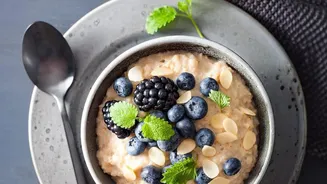
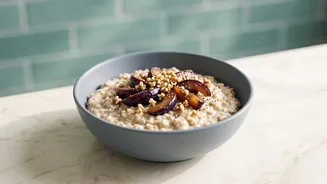
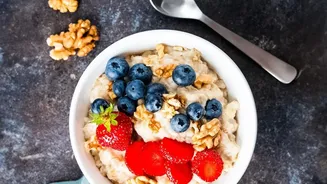
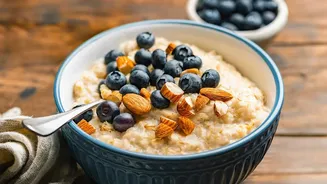
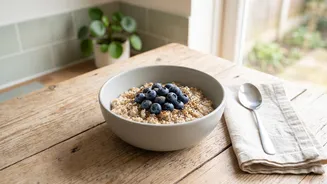
Incorporating this nutritious fruit into your morning routine is simple and delicious. Their sweet, deep flavour and chewy texture work well in a variety of dishes. You can chop them finely and stir them into your morning oatmeal or cereal for a natural sweetness and fibre boost. They also blend seamlessly into smoothies, adding thickness and nutrients without the need for extra sugar. For a quick option, top a bowl of Greek yogurt with a few chopped prunes and a sprinkle of cinnamon. You can even add them to baked goods like muffins or breakfast bars for a wholesome treat. Some people enjoy them stewed, which softens them and creates a rich syrup that is perfect over pancakes or yogurt.