



The Philosophy: Responsible and Sustainable
At the heart of Kerala’s approach is the principle of 'Responsible Tourism,' a model that has gained global recognition. This philosophy is built on three pillars: environmental, socio-cultural, and economic responsibility. The goal is to create a tourism
industry that not only provides incredible experiences for visitors but also benefits the local population and actively works to preserve the natural environment. Launched officially through the Responsible Tourism (RT) Mission, this initiative ensures that the benefits of tourism are distributed beyond commercial hubs, reaching villages and empowering local communities directly. It's a shift from treating locals as passive participants to making them active stakeholders in their region's growth.
Pillar 1: Culture Beyond the Postcard
Kerala's strategy treats culture not as a product to be sold, but as a living heritage to be experienced. Instead of just watching a Kathakali performance from a distance, the state encourages immersive experiences where travellers can engage with local lifestyles. This includes everything from visiting artisan villages and learning about traditional crafts to participating in cooking classes that use locally sourced produce. The government has actively worked to preserve and promote classical arts, local festivals, and unique traditions, ensuring they remain authentic rather than becoming diluted for commercial appeal. New initiatives like 'life experience trails' are being developed to allow visitors to experience the state through its people, traditions, and rural life, strengthening community-based tourism.
Pillar 2: Nature as a Partner, Not a Playground
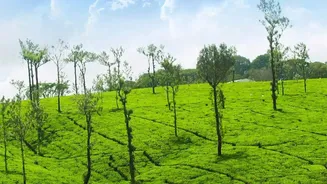
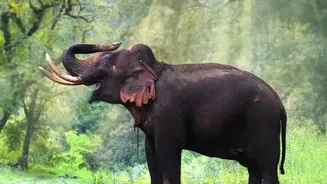
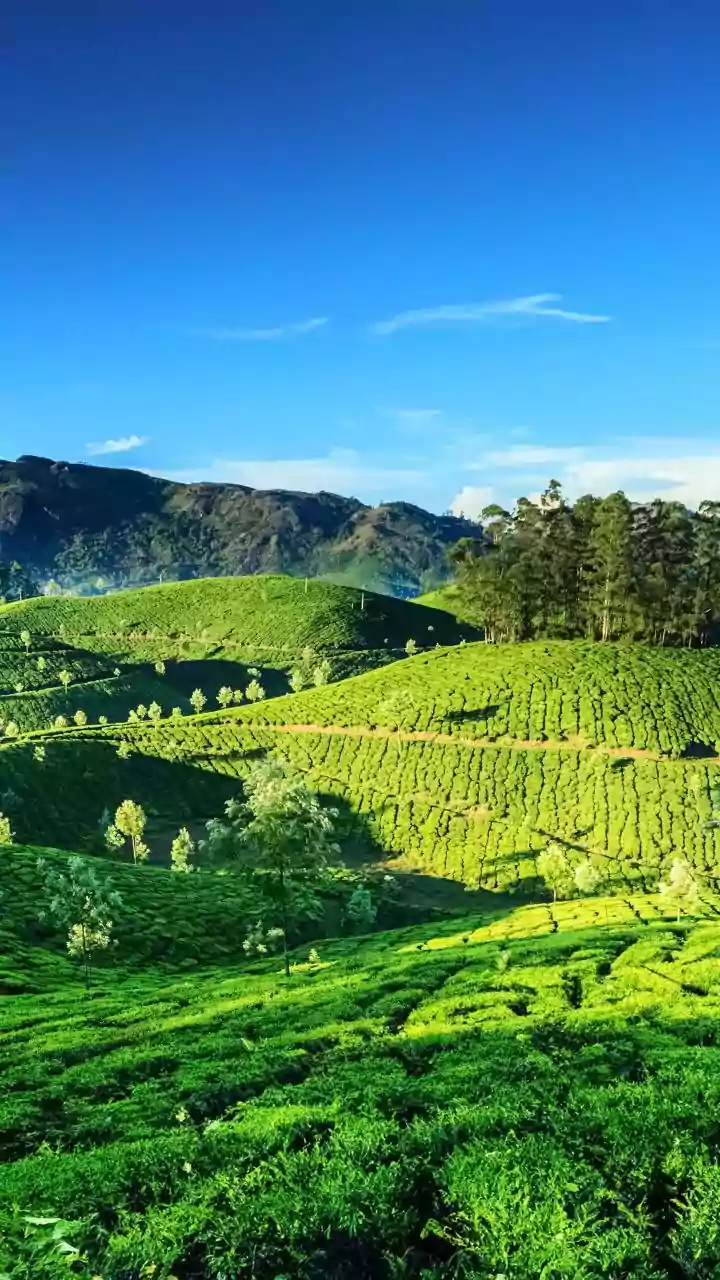
Recognising its unique biodiversity, from the serene backwaters to the lush Western Ghats, Kerala has put nature conservation at the forefront of its tourism policy. The approach is centred on ecotourism, which promotes responsible travel to natural areas while generating funds and awareness for conservation. In places like Periyar National Park and Parambikulam Tiger Reserve, tourism is managed to prioritise animal welfare and habitat preservation. Local and tribal communities are often employed as guides and protectors of these natural spaces, creating a system where their livelihood is directly linked to the health of the ecosystem. This ensures that the state's greatest asset—its natural beauty—is protected for future generations while offering travellers authentic and ethical wildlife encounters.
Pillar 3: Community at the Core
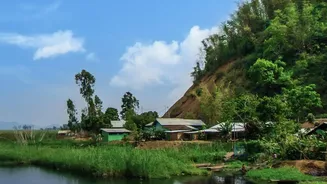
The most revolutionary aspect of Kerala's strategy is its deep focus on community empowerment. The Responsible Tourism Mission actively links the tourism industry with local producers, farmers, artisans, and small-scale entrepreneurs. This model ensures that tourism revenue stays within the local economy, reducing economic leakage and fostering inclusive growth. In villages like Kumarakom, which has become a global model for this approach, residents have become direct beneficiaries through homestays, supplying fresh produce to hotels, and running local experience tours. This focus on community has been particularly effective in empowering women, who lead many of the self-help groups involved in catering, craft production, and hospitality services. By making local communities the primary beneficiaries, Kerala creates a more resilient and equitable tourism economy.