





A Sky-High Solution for an Ancient City
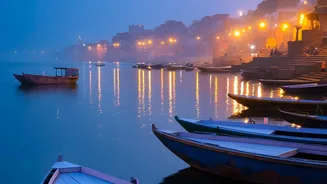
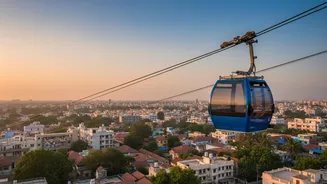
Varanasi's narrow, congested lanes have long been a challenge for residents, pilgrims, and tourists alike. Instead of disruptive road widening in the heritage-rich zones, authorities have opted for an innovative aerial solution: a 3.75-kilometre public
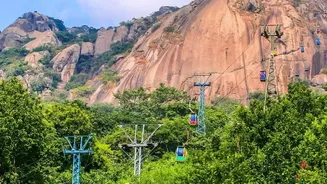
transport ropeway. Nearing completion, this project will connect the bustling Varanasi Cantonment Railway Station with Godowlia Chowk, the main gateway to the Kashi Vishwanath Temple and the ghats. Promising to slash a 45-minute-plus journey to around 16 minutes, the electric-powered gondolas aim to carry thousands of passengers per hour, floating above the notorious traffic snarls on the ground. This makes Varanasi only the third city in the world, after locations in Bolivia and Mexico, to implement a ropeway as a core part of its urban transit system.
The Critical Last-Mile Problem
The project’s vision is compelling, but its success will be measured by a simple question: how easily can a passenger complete their journey? A ropeway cabin can deliver a person to a station, but it cannot take them to their final destination—be it a specific temple, hotel, or home in a nearby lane. This is the classic 'last-mile' problem. The official vision speaks of stations that will "integrate seamlessly with other modes of transport," allowing passengers to shift conveniently between trains, buses, and auto-rickshaws. However, without a meticulously planned and executed strategy, these stations risk becoming chaotic bottlenecks themselves, merely shifting the point of congestion from the streets to the station exits.
Avoiding Disconnected Islands in the Sky
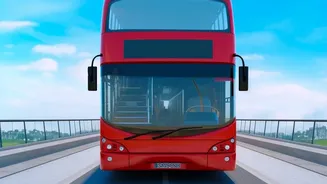
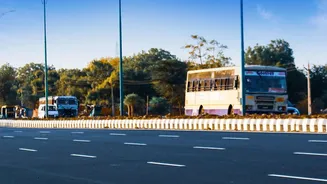
For the ropeway to be more than a tourist attraction, it must function as the spine of a truly multimodal network. This means each of the five stations cannot be an isolated island. Imagine disembarking at Godowlia Chowk only to be met with a disorganized scramble for onward transport. To prevent this, dedicated and regulated feeder services are essential. This includes clearly marked pre-paid auto-rickshaw and e-rickshaw stands, designated pick-up and drop-off points for ride-hailing services, and rerouted city bus services that align with the ropeway's operational hours. Furthermore, pedestrian infrastructure is paramount. Well-lit, clear, and unobstructed footpaths are needed to guide passengers safely from the station to the surrounding areas, a critical factor in a city with heavy foot traffic.
The Blueprint for Integrated Success
The solutions are not theoretical; they are proven in other cities that have successfully integrated new transit systems. The first step is unified information and payment. A single smart card or app that works for the ropeway, city buses, and potentially even parking would remove a significant barrier for commuters. Global examples from cities like Medellín, Colombia, show that a single-ticket system across buses, trains, and cable cars is fundamental to encouraging public transport usage. Secondly, physical integration requires intelligent design. This involves creating passenger concourses that naturally guide people towards different transport options, with clear, multilingual signage. Finally, governance is key. A single transport authority must be empowered to manage this integration, ensuring different modes are not competing but complementing each other.