

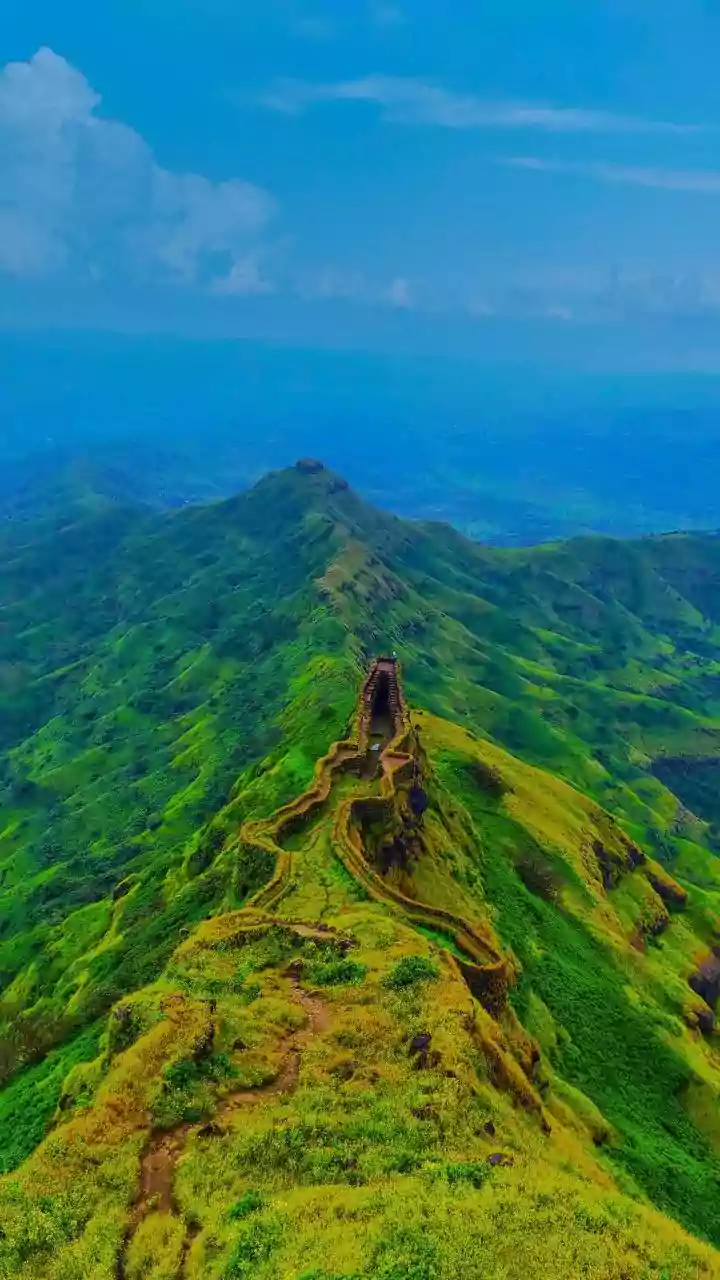



Beyond the Forts: A Greener Jaipur
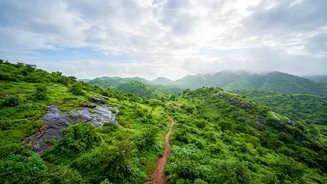
While Jaipur is famed for its majestic forts and palaces, the monsoon season unveils a different side of the Pink City. From July to September, the landscape is revitalized, with seasonal waterfalls emerging and the scent of wet earth filling the air.
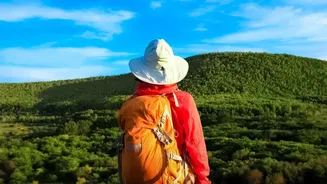
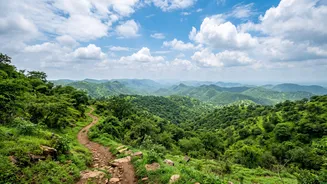
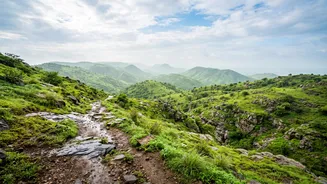
This is the ideal time for locals and intrepid travellers to explore the network of paths that crisscross the Aravalli range, offering a refreshing escape from city life. These trails, often leading to secluded temples or offering panoramic views, provide a unique blend of nature, adventure, and spirituality. However, trekking during the monsoon requires preparation; slippery paths and changing weather are key factors to consider. Always wear footwear with a good grip, carry a raincoat, and check the weather forecast before you head out.
Hathni Kund: The Waterfall Trek
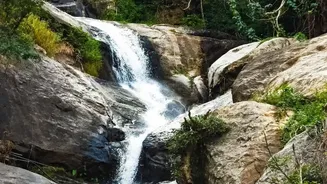
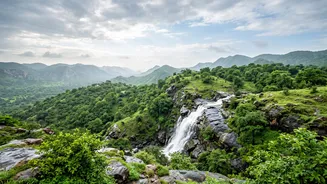
Perhaps the most popular monsoon trek near Jaipur, Hathni Kund is famous for its seasonal waterfall that cascades down rocky cliffs. Located about 17 km from the city, the trail becomes a bustling hub of activity for nature lovers during the rains. The most common route starts from Charan Mandir, a historic temple near Nahargarh, and covers a round trip of about 4-5 km. The trek is considered easy to moderate, making it accessible for beginners and families. As you descend into the valley, the sound of flowing water grows louder, culminating in the sight of the beautiful waterfall and the adjacent Hathuneshwar Mahadev Temple. The area becomes a vibrant green paradise, offering a tranquil spot to relax and enjoy the rejuvenated landscape.
Bhuteshwar Nath Mahadev: A Spiritual Hike
For those seeking a more spiritual journey combined with a moderate challenge, the trek to Bhuteshwar Nath Mahadev temple is a perfect choice. This ancient Shiva temple is nestled deep within the forest near Amer. The trek typically starts from Sagar Lake, behind Amer Fort, and takes about three to four hours for a round trip. The path winds through the rugged terrain of the Aravallis, offering beautiful scenery, especially during the monsoon when the vegetation is at its peak. Trekkers are rewarded with the serene atmosphere of the temple, which is believed to be hundreds of years old, and stunning views of the surrounding hills. It’s a route that beautifully marries adventure with devotion.
Chulgiri Hills: The Path of a Thousand Steps
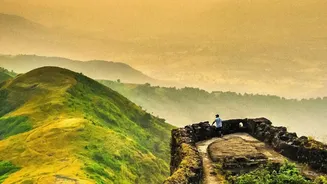
Offering panoramic views of the city, the Chulgiri trek is another excellent option for monsoon hiking, though it presents a slightly tougher challenge. The trail leads to a prominent Digamber Jain temple situated on a hilltop along the Jaipur-Agra highway. Trekkers have two choices: a winding motorable road for a gradual ascent or a stone staircase of about 1,000 steps for a more direct and strenuous climb. During the monsoon, the surrounding Jhalana forest becomes intensely green, making the climb exceptionally scenic. From the top, the views of the misty landscape and the city below are breathtaking, making the effort entirely worthwhile.
Essential Safety for Monsoon Treks
While the monsoon enhances the beauty of the Aravallis, it also brings specific risks. Slippery rocks and muddy paths are common, making sturdy, high-grip footwear essential. It's always advisable to trek in a group and inform someone of your plans. Carry a basic first-aid kit, sufficient water, and some snacks, as facilities along these trails are limited. Avoid crossing fast-flowing streams and be cautious on steep sections, especially after heavy rainfall. Using trekking poles can provide extra stability on tricky terrain. By taking these precautions, you can safely enjoy the unique adventure that Jaipur's monsoon treks have to offer.