





Why Wet Weather Creates Risk
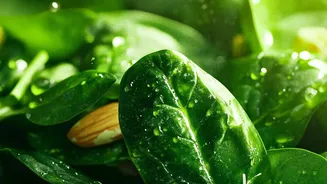
Leafy greens like lettuce and spinach grow low to the ground, making them vulnerable to contamination. Excessive rainfall or flooding can overwhelm drainage systems and wash contaminants from nearby land onto vegetable fields. This runoff can carry harmful
bacteria like E. coli and Salmonella, or parasites like Cyclospora, from animal waste or contaminated soil directly onto the produce. The high humidity and moisture that follow create a perfect breeding ground for these pathogens to survive and multiply on the leaves, increasing the risk of foodborne illness. Studies have shown that a significant number of foodborne illness outbreaks have been linked to leafy greens, often due to contamination that occurs in the field.
The Limits of Washing Raw Greens
While thoroughly washing greens is always recommended, it isn't a foolproof method for eliminating all germs. Pathogens can cling to the complex, grooved surfaces of leaves, hiding in tiny crevices where water can't easily reach. For parasites like Cyclospora, their protective shells make them resistant to standard home-washing methods and even commercial chlorine rinses. According to health authorities like the CDC, while rinsing under running water can reduce the number of germs, it doesn't guarantee complete removal. Soaking greens in vinegar may help reduce some bacteria but is not proven to kill stubborn parasites and can affect the taste and texture. Pre-washed and ready-to-eat greens also carry risk, as every step from harvesting to packaging offers a chance for cross-contamination.
Cooking: Your Strongest Defence
Heat is the most reliable way to kill harmful microbes. Thoroughly cooking leafy greens to a high internal temperature effectively destroys dangerous bacteria and parasites that washing may leave behind. One study found that boiling spinach for just two minutes eliminated 99% of E. coli bacteria. While four minutes of microwaving was needed to eradicate all detectable signs of the pathogen, even a shorter cooking time significantly reduces the risk. This is why public health officials often advise that cooked produce is the safest option, especially during an active outbreak or for vulnerable individuals like children and the elderly.
The Simple Switch to Cooked Spinach
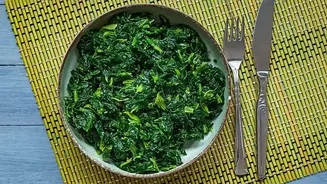
The headline's focus on spinach highlights a practical solution. While spinach is just as susceptible to contamination as other greens when raw, it is a vegetable that is commonly and deliciously served cooked in many Indian households. From palak paneer and saag to simple stir-fries and additions to dal, incorporating cooked spinach into your meals is an easy adjustment. This makes it a perfect example of how to apply the food safety principle of cooking your greens. Instead of giving up on greens entirely when the risk is higher, you can pivot to preparations that naturally include the safety step of cooking, destroying pathogens like Listeria and E. coli in the process.
If You Choose to Eat Raw: A Washing Guide
If you still want to enjoy a raw salad, it's crucial to wash your greens as effectively as possible. Start by washing your hands thoroughly with soap and water. Discard the outer leaves of heads of lettuce or cabbage. Separate the remaining leaves and rinse them individually under cool, running water. Don't use soap or commercial produce washes, as they are not recommended and can leave a residue. For loose-leaf greens, you can immerse them in a clean bowl of cold water to loosen dirt before rinsing them in a colander. After washing, dry the greens thoroughly using a salad spinner or clean paper towels, as excess moisture can encourage bacterial growth.