


The Modern Workspace Slump
Prolonged sitting is one of the biggest challenges for our bodies in the modern workplace. When we sit for hours on end, especially in a less-than-ideal ergonomic setup, our bodies adapt in unhelpful ways. The muscles at the front of our hips shorten,
while our glutes and deep core stabilisers can become weak and underactive. This imbalance often causes the pelvis to tilt, leading to the classic slumped posture, rounded shoulders, and forward head position that contribute to muscular fatigue and chronic discomfort in the neck, shoulders, and lower back. Your body is designed for movement, and holding any single position for too long, even a 'good' one, can overload tissues and lead to stiffness.
Your Core as Your Foundation
Many people think of the core as just the 'six-pack' abs, but it is a complex group of muscles that wraps around your entire torso. This includes deep abdominal muscles like the transverse abdominis, muscles along your spine, and even your glutes and pelvic floor. Think of these muscles as a natural corset or a built-in back brace for your body. A strong, engaged core provides the stability your spine needs to remain properly aligned, whether you are sitting, standing, or moving. When these muscles are weak, your body has to compensate, putting extra strain on other areas and leading to the fatigue and pain associated with poor posture.
Why the Plank Is So Powerful
While exercises like crunches have their place, the plank is particularly effective for building the kind of endurance-based strength needed for good posture. It is an isometric exercise, meaning you hold a position under tension. This challenges your core muscles to work together to stabilise your entire body against gravity, much like they need to when you're sitting upright for long periods. Unlike crunches, planks strengthen the deep stabilising muscles without repeatedly flexing the spine, which can be stressful for some individuals. A properly executed plank engages not only your abs but also your back, glutes, shoulders, and hamstrings, making it an incredibly efficient full-body exercise.
The Power of Variety
Doing the same standard plank every day can lead to a training plateau. By incorporating diverse plank variations into your routine, you ensure that you are strengthening your core from every angle. A standard plank is excellent for the front of your core, but variations are needed to build a truly resilient midsection. For example, side planks target the obliques (the muscles on your sides), which play a crucial role in preventing your torso from rotating or collapsing. Other variations might add movement, challenging your stability and coordination. This variety not only prevents boredom but also promotes more balanced muscle development, which is essential for functional, all-day postural support.
Five Plank Variations to Try
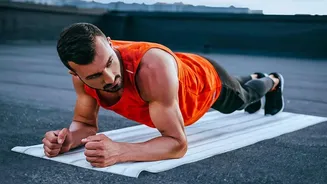
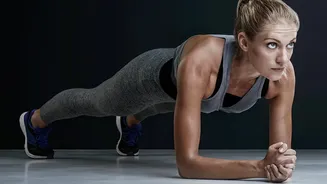
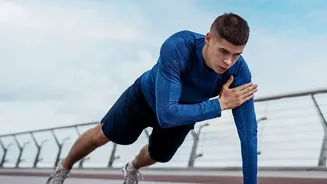
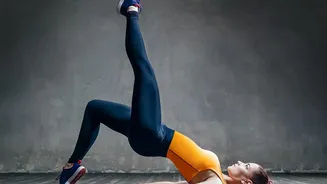
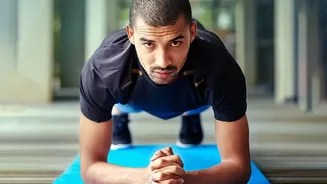
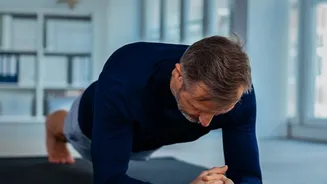
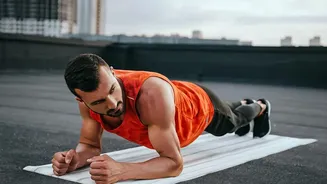
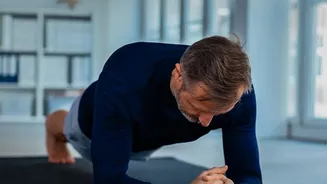
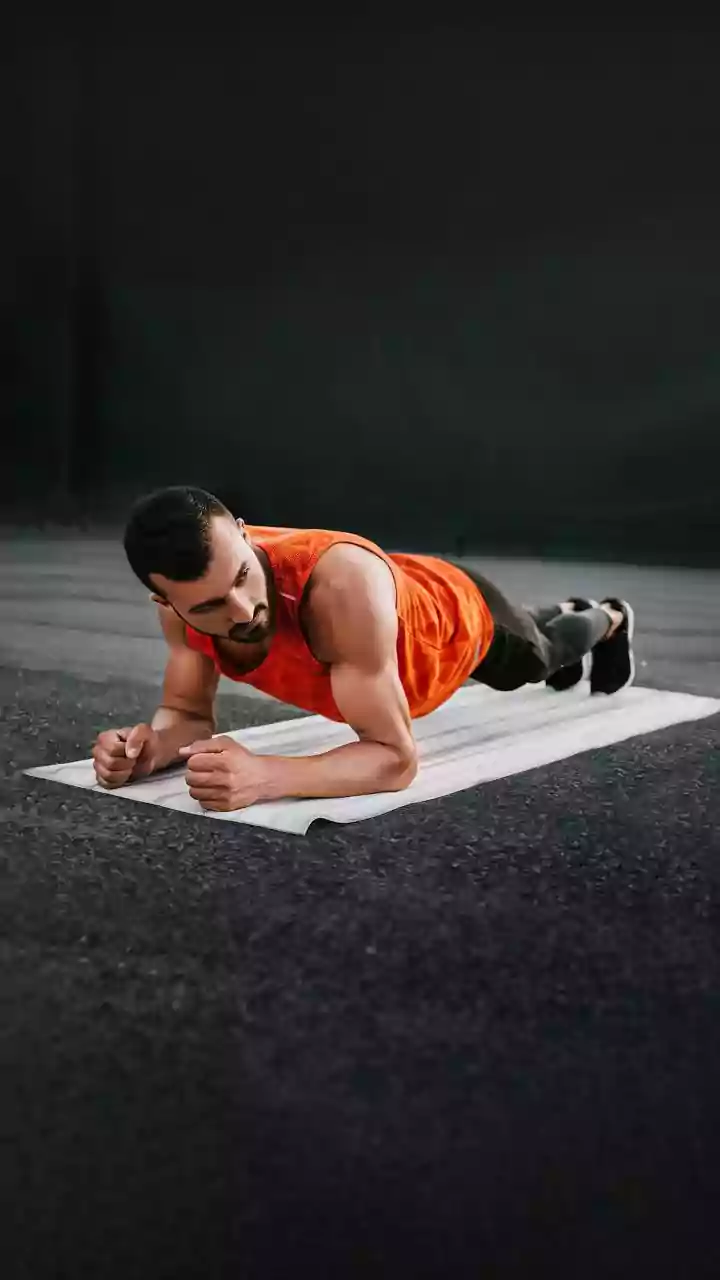
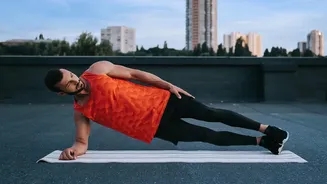
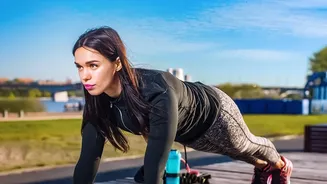
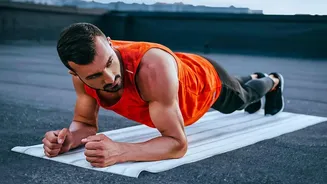
Start by holding each variation for 20-30 seconds, focusing on perfect form over duration. 1. Forearm Plank: The classic. Rest on your forearms with elbows directly under your shoulders. Keep your body in a straight line from head to heels, engaging your abs and glutes. 2. Side Plank: Lie on your side, propped up on one forearm with your elbow under your shoulder. Lift your hips until your body forms a straight line. This fires up your obliques. 3. High Plank with Shoulder Taps: From a push-up position (hands under shoulders), keep your hips as still as possible as you slowly tap your left shoulder with your right hand, then switch. This enhances anti-rotation strength. 4. Plank with Leg Lifts: In a forearm or high plank, slowly lift one leg a few inches off the ground without letting your hips sag or rise. Hold for a moment, lower with control, and repeat on the other side. This adds a challenge to your glutes and lower back stabilisers. 5. Reverse Plank: Sit on the floor with your legs straight out and hands behind you, fingers pointing toward your feet. Press into your hands and lift your hips toward the ceiling until your body forms a straight line. This is fantastic for strengthening the posterior chain, including your glutes and lower back.