




A Spectacle Twelve Years in the Making
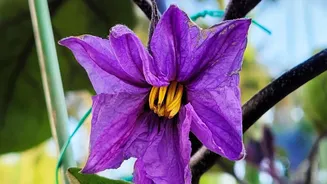
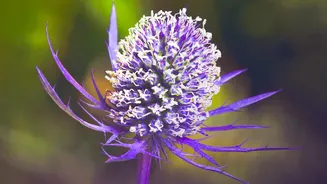
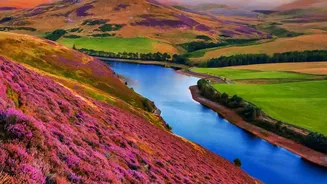
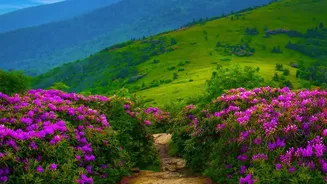
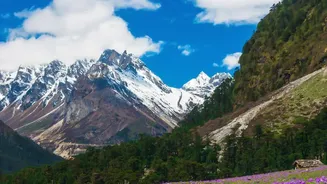
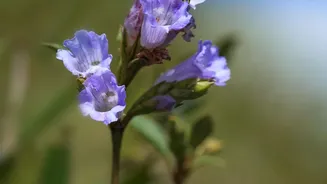
The Neelakurinji, or Strobilanthes kunthiana, is a shrub endemic to the shola forests of the Western Ghats. Its fame comes from a unique survival strategy known as gregarious flowering. The plant lives for 12 years, then flowers en masse across entire
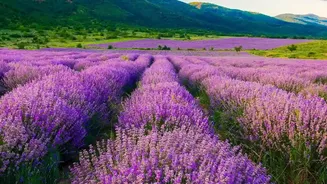
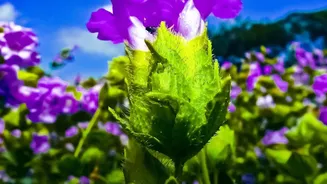
hillsides, reproduces by seed, and then dies. This synchronised blooming, which typically happens between August and October, is a botanical wonder that attracts scientists, photographers, and nature lovers from across the globe. The very name of the Nilgiri Hills, or 'Blue Mountains', is believed to be derived from the stunning colour of these blooms that blanket the landscape. The last major bloom occurred in 2018, making the next much-anticipated event around 2030.
An Ecological and Cultural Keystone
The Neelakurinji is more than just a pretty flower; it's a vital indicator of the health of its high-altitude grassland ecosystem. The mass flowering supports a wide range of pollinators, including bees and butterflies, playing a crucial role in the local biodiversity. The honey produced from these flowers, known as Kurinjithen, is a rare delicacy prized for its unique properties. For local indigenous communities like the Paliyan tribe of Tamil Nadu, the 12-year cycle has historically been used as a natural calendar to mark time and calculate age. Its cultural and ecological significance makes the Neelakurinji an irreplaceable part of India's natural heritage.
The Perils of Popularity
Unfortunately, the very fame of the Neelakurinji is contributing to its decline. The influx of tourists during blooming season, while economically beneficial, puts immense pressure on the fragile ecosystem. The plant has been officially included in the 'Vulnerable' category on the IUCN Red List of threatened species. Major threats include habitat loss from plantations and urbanisation, the spread of invasive species, and climate change. However, the most immediate threat during a bloom is human interference. Visitors often trample the delicate shrubs and, most damagingly, pluck the flowers. This seemingly harmless act of taking a souvenir prevents the plant from producing seeds, thereby breaking its 12-year life cycle and jeopardising future generations of the flower.
A Strict Stance on Protection
Recognising the severe threats, conservation efforts have been significantly stepped up. The Neelakurinji is now listed under Schedule III of the Wildlife (Protection) Act, 1972. This makes it a protected plant, and destroying or uprooting it can lead to a hefty fine of ₹25,000 and three years of imprisonment. During blooming seasons, forest departments in states like Kerala and Tamil Nadu implement strict guidelines. These often include restricting public access to certain areas, deploying forest guards to monitor tourist behaviour, and running awareness campaigns. In some regions, authorities have even made plans to manage traffic by providing shuttle services to viewing points to minimise environmental impact.
How to Be a Responsible Witness
Witnessing the Neelakurinji bloom is a once-in-a-lifetime experience, and everyone has a role to play in ensuring it continues. The most important rule is simple: look, but do not touch. Never pluck the flowers or uproot the plants. Attempting to grow it at home is futile, as the plant only thrives in its specific high-altitude shola habitat. Stick to designated paths to avoid trampling the surrounding vegetation, which is crucial for the next generation of seeds. The blooming areas are strict no-plastic zones, so be mindful of carrying out everything you bring in. By following the guidelines set by forest officials and embracing the role of a conscious traveller, you help protect this natural wonder for decades to come.