


The 'Mountain Lake' Unveiled
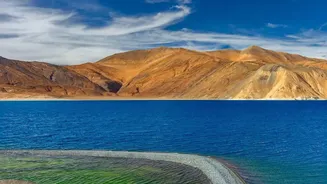
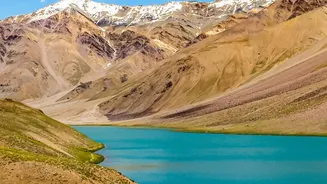
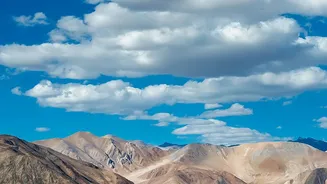
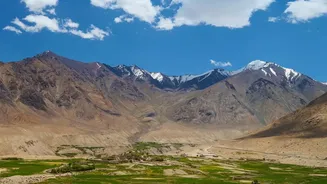
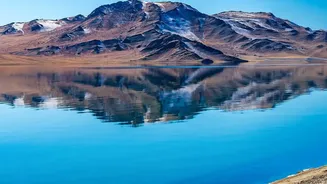
Tucked away in the remote Changthang plateau, Tso Moriri sits at a breathtaking altitude of over 4,500 metres (around 14,836 feet). As the largest high-altitude lake entirely within India, its deep blue waters are fringed by arid mountains, creating a landscape
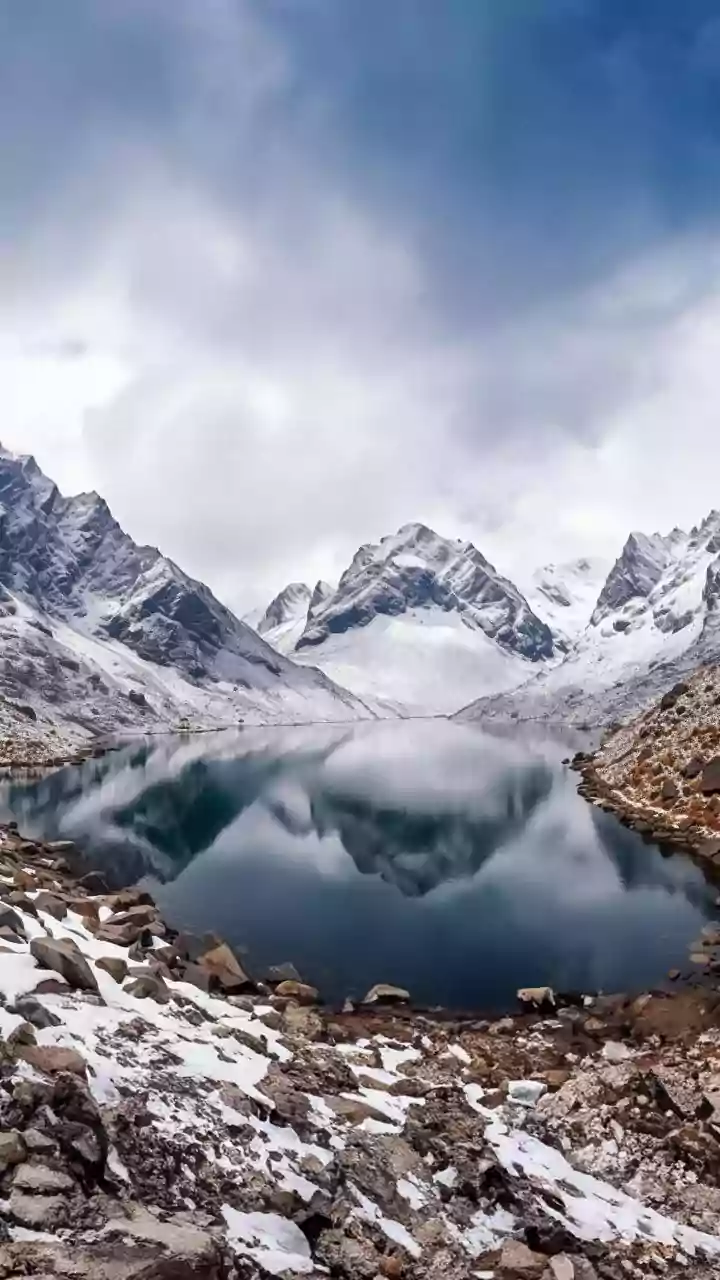
of immense scale and silence. What makes it truly surreal is its status as a Tso Moriri Wetland Conservation Reserve, a Ramsar site of international importance. This protection means its shores are pristine, free from the commercial construction seen elsewhere. The lake’s colour shifts throughout the day, reflecting the vast, clear sky and the snow-dusted peaks that rise above 6,000 metres, offering a tranquil beauty that rewards the adventurous traveller.
The Essential Guide to Getting There
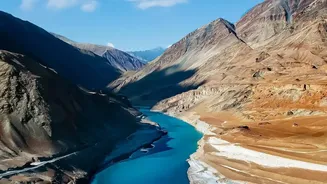
Reaching Tso Moriri requires planning. The lake is approximately 220-250 kilometres southeast of Leh, a journey that typically takes 6 to 8 hours by car. The most common route follows the Indus River via Chumathang, a road that remains accessible for most of the year. An alternative route passes through Tso Kar, another high-altitude lake, but this path is longer and involves crossing the high Taglang La pass, which is subject to winter closures. Regardless of the route, the journey is a gradual ascent into a high-altitude desert. It's crucial to fill up your fuel tank in Leh and consider carrying extra, as facilities become scarce the further you travel.
Acclimatisation and Permits
Altitude sickness is a serious risk. Tso Moriri's base altitude is higher than that of Pangong Tso, making proper acclimatisation non-negotiable. It is strongly recommended to spend at least three to four full nights in Leh (3,500 metres) to allow your body to adjust before attempting the journey. On your first day in Leh, you should rest completely. Due to its proximity to the Line of Actual Control, all visitors require a permit. Indian citizens need an Inner Line Permit (ILP), which can be applied for online, while foreign nationals require a Protected Area Permit (PAP) arranged through a registered travel agent in Leh. Always carry multiple photocopies of your permit, as they are checked at several points en route.
When to Go and Where to Stay
The best time to visit Tso Moriri is during the summer months, from late May to September. During this period, the weather is pleasant, with daytime temperatures ranging from 10°C to 25°C, although nights remain cold. Winter (October to April) is extremely harsh, with temperatures dropping well below freezing, and most accommodations close down. Due to the lake's protected status, camping directly on the shoreline is prohibited. All accommodation options, which range from basic homestays and guesthouses to more comfortable tented camps and a single hotel, are located in the small village of Korzok on the lake's northwestern bank. Electricity is typically available for only a few hours in the evening.
Beyond the Blue: What to See and Do
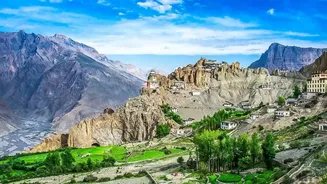
The main attraction is the lake itself, but the surrounding area offers unique experiences. Tso Moriri is a birdwatcher's paradise, serving as a crucial breeding ground for rare species like the black-necked crane and bar-headed goose. The 300-year-old Korzok Monastery, perched above the village, offers spiritual solace and panoramic views of the lake. Korzok village is also home to the Changpa nomads, a semi-nomadic community of herders. Interacting with them provides a glimpse into a traditional way of life that has endured for centuries in this harsh environment. For the stargazers, the clear, unpolluted night sky offers a breathtaking view of the Milky Way.