







The Aircraft Becomes a Secure Zone
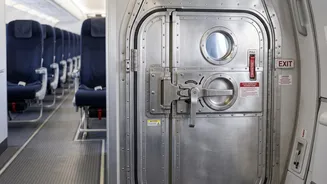
The moment the last passenger deplanes, the aircraft transitions from a public transport vehicle to a highly restricted, secure environment. International aviation regulations mandate strict control over who can access an aircraft. After a flight, the cabin
must be secured and prepared for its next journey, which includes a security sweep. Allowing passengers to re-enter, even for a moment, complicates this critical process. It becomes difficult to maintain a clear record of who is on board and to ensure that nothing unauthorised is brought onto or taken off the plane. This isn't about distrusting you; it's about upholding a universal security protocol that keeps every flight safe.
A Ticking Clock and Logistical Chain
Airlines operate on incredibly tight schedules, often with a 'turnaround' time of less than an hour between flights. In that brief window, a flurry of activity occurs. Cleaning crews must sanitise the cabin, catering services restock supplies, maintenance staff conduct inspections, and refuelling takes place. A passenger walking back onto the plane, against the flow of deplaning crowds or busy ground staff, can cause a bottleneck. Even a small delay can have a ripple effect, potentially causing the aircraft to miss its takeoff slot, which in turn can delay subsequent flights and disrupt travel plans for hundreds of other passengers down the line. Holding a plane for one person's forgotten item is, from a logistical standpoint, simply not feasible.
The Official Lost and Found Process
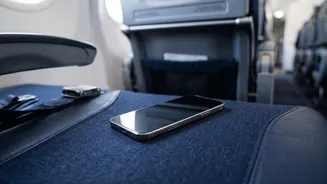
Airlines have a formal system for a reason. Cabin and cleaning crews are trained to conduct thorough sweeps of the cabin after passengers disembark, specifically looking for items left behind in seat pockets, under seats, and in overhead bins. Anything they find is logged and handed over to the airline's ground staff or the airport's central Lost and Found department. This creates a clear chain of custody designed to protect your belongings and get them back to you. Allowing individuals to retrieve their own items bypasses this system, creating confusion and increasing the risk of items going missing permanently. The official process is your best bet for a successful reunion with your lost property.
Liability and Legal Responsibility
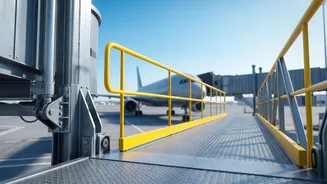
From a legal perspective, allowing a passenger to re-enter an aircraft after they have officially deplaned is a liability risk for the airline. The jet bridge and aircraft are active work zones during turnaround. There is a risk of slips, trips, or other accidents involving ground equipment. Furthermore, it avoids potential disputes. If a passenger re-boards and cannot find their item, it could lead to unfounded accusations against the crew. By adhering to a strict policy where only authorised personnel are allowed on board, airlines minimise these legal and financial risks, ensuring a controlled and accountable environment for everyone involved.
What You Should Do Instead
If you realise you've forgotten something while still on the jet bridge or at the gate, alert the gate agent or a flight attendant immediately. Often, a crew member can go back to your seat for you. If you've already moved further into the terminal, head straight to the airline's customer service or arrival desk. Provide your flight number, seat number, and a detailed description of the item. If you’ve already left the airport, use the airline’s official lost-item form on their website. Acting quickly and using the correct channels is the most effective way to retrieve your belongings.