







Why Seasonal Is Always Smarter
Shopping for vegetables that are in season is one of the easiest ways to reduce your grocery bill. When a vegetable is in season, there's an abundance of it in the market, which naturally drives down the price. Think of the flood of fresh peas in winter
or the heaps of juicy tomatoes in summer. Out-of-season produce, on the other hand, often has to be transported over long distances or grown in artificial conditions, adding costs that are passed on to you. But the benefits aren't just financial. Seasonal vegetables are harvested at their peak, meaning they are fresher, more flavourful, and packed with higher levels of nutrients. A vegetable starts losing vitamins and minerals from the moment it's picked, so the shorter the journey from farm to your plate, the better it is for your health.
Your Monsoon Savings Guide (July–October)
Since we're in the middle of the monsoon, let's start here. This is the perfect time to embrace a variety of gourds and other hardy vegetables that thrive in the rain. Instead of paying a premium for delicate leafy greens that might struggle in this weather, consider making these simple swaps. Trade expensive bell peppers and broccoli for seasonal heroes like bottle gourd (lauki), ridge gourd (tori), bitter gourd (karela), and pointed gourd (parwal). Okra (bhindi) and cucumber are also plentiful and affordable right now. These vegetables are incredibly versatile, perfect for everyday subzis, curries, and stir-fries. By leaning into what nature provides in abundance, you're guaranteed fresher meals at a lower cost.
Plan Ahead for Winter's Bounty (November–February)
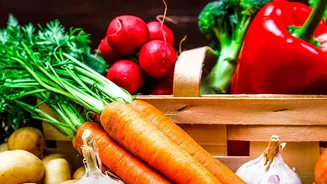
Winter brings a welcome relief from the heat and a whole new palette of vegetables. This is the season for vibrant greens and sweet root vegetables. As the temperatures drop, you'll find markets overflowing with spinach (palak), fenugreek (methi), mustard greens (sarson), and amaranth leaves (chaulai). This is the time to swap out more expensive, stored produce for these fresh, iron-rich greens. It's also the peak season for carrots (gajar), beetroot (chukandar), radishes (mooli), and sweet green peas (matar). Planning your meals around these winter staples will not only add colour and nutrition to your diet but also give your wallet a much-needed break.
Smart Swaps for the Summer Heat (March–June)
As the weather warms up, the vegetable landscape shifts again. Heavy root vegetables become less common, making way for produce that helps you stay cool and hydrated. Summer is the prime time for vegetables like brinjal (baingan), pumpkin (kaddu), and a variety of beans. Tomatoes, which are available year-round but truly shine in the summer, are often at their most affordable. Instead of searching for the last of the winter carrots, embrace summer's offerings. These vegetables are perfect for lighter, quicker meals that won't heat up your kitchen, making them a smart choice for both your budget and your comfort.
More Than Just Your Wallet
While saving money is a powerful motivator, the benefits of seasonal eating go further. Aligning your diet with the seasons encourages variety, exposing you to a wider range of vitamins and minerals throughout the year, which is excellent for your overall health and digestion. Furthermore, buying seasonal produce often means you're supporting local farmers who are growing what is best suited for the region's climate. It's a sustainable choice that connects you to your local food system and reduces the environmental footprint associated with long-distance food transport. It’s a win for your health, your community, and the planet.