




Tai Chi: Cultivating Whole-Body Fluidity
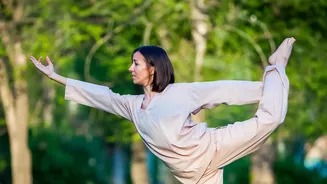
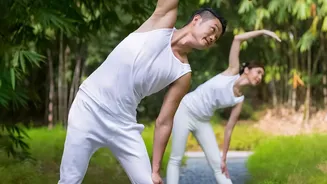
Tai Chi is often described as 'meditation in motion', and its approach to flexibility is similarly holistic. The practice involves slow, continuous, and circular movements that gently guide the body through its full range of motion without force. This
isn't about holding a static stretch, but rather about dynamic, active flexibility. Each transition from one posture to another encourages joints to loosen and muscles to lengthen, enhancing mobility in the ankles, knees, hips, and shoulders. Studies have shown that regular practice can significantly improve both upper- and lower-body flexibility, making it an ideal method for increasing range of motion without high impact or strain.
The Tai Chi Stance and Its Deep Stretch
A key element of Tai Chi's flexibility benefit comes from its foundational stances. These postures, which often involve a low center of gravity and bent knees, require and build strength and suppleness. Holding these stances and shifting weight slowly between them engages the body's core and strengthens stabilizing muscles. This process deeply stretches the hips, inner thighs, and hamstrings. The slow, deliberate weight shifts also train sensory neurons and stress receptors in the muscles and ligaments, improving proprioception—your body's awareness of its position in space. The result is a functional flexibility that enhances balance and reduces the risk of falls.
Kayaking's Demand for Functional Mobility
While Tai Chi cultivates overall fluidity, kayaking demands a more targeted and functional type of flexibility. Proper kayaking technique is not an arm-dominant exercise; the power comes from the body's core and back, transferred through rotation. This makes torso mobility, particularly in the thoracic spine (your upper and mid-back), paramount. An efficient paddle stroke requires the kayaker to rotate their torso, a movement that needs suppleness in the back, shoulders, and obliques. Without this rotational flexibility, paddlers often compensate by overusing their arms and shoulders, leading to fatigue and potential injury.
Lower Body Flexibility in the Cockpit
Flexibility in kayaking isn't just for the upper body. Being seated for extended periods requires limber hamstrings, glutes, and hip flexors to maintain a comfortable and powerful posture. Tight hamstrings can cause the pelvis to tilt backward, leading to a rounded lower back that is not only uncomfortable but also inefficient for paddling and can cause pain. Good hip flexibility is also crucial for stability and control, allowing the paddler to use their lower body to connect with the boat and make subtle adjustments for balance and turning. Many experienced paddlers incorporate specific stretches for these areas before and after hitting the water to prevent stiffness and improve performance.
Two Paths to Suppleness
Comparing the two reveals a difference in philosophy. Tai Chi develops flexibility as a primary goal of its mindful practice; it is a yielding, gentle process of exploring the body's limits. The aim is total-body harmony and awareness. For kayaking, flexibility is a prerequisite for performance and injury prevention. It's a means to an end: achieving a more powerful stroke, better boat control, and greater endurance. Tai Chi is dynamic, working the entire body through flowing sequences. Kayaking's demands are more specific, focused on the rotational capacity of the torso and the suppleness needed to sit comfortably and in a stable position for long durations.