

The World's Most Important Waterway
The Strait of Hormuz is a narrow channel of water separating Iran from the Arabian Peninsula. At its narrowest point, it is only 33 kilometres wide, but its strategic importance is immense. For decades, this chokepoint has served as the world’s busiest
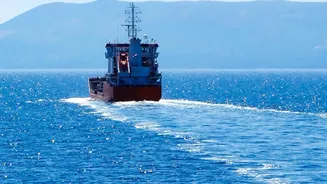
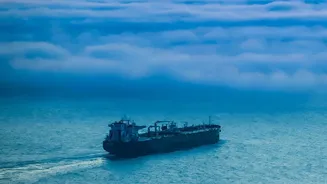
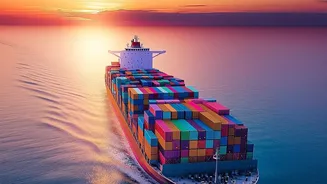
energy highway. Before the current conflict escalated, nearly a third of all seaborne oil passed through it daily. Its significance for liquefied natural gas, or LNG, is just as profound. Nations like Qatar, one of the world's largest LNG exporters, and the UAE rely almost exclusively on this route to get their gas to international markets. Any disruption, let alone a full-blown conflict, turns this vital artery into a critical vulnerability for the entire global economy.
LNG: The Fuel in the Crossfire
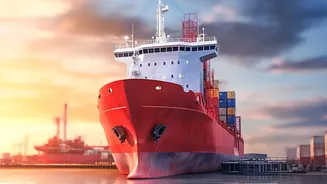
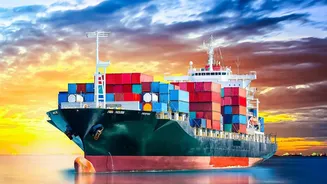
So, what exactly is LNG, and why does it matter so much? Liquefied natural gas is natural gas that has been cooled down to a liquid state, at about -162° Celsius, for shipping and storage. This process shrinks the volume of the gas by 600 times, making it possible and economical to transport across oceans. LNG tankers, massive specialised ships, carry this super-cooled fuel from producing countries to consumers around the world. It is a crucial energy source for many nations, especially those with limited domestic gas production. It is used for everything from generating electricity and heating homes to powering industrial processes. Because it is cleaner-burning than coal and oil, many countries have made LNG a cornerstone of their transition to a greener energy future. A disruption to 20% of the global supply isn't a minor inconvenience; it's a direct threat to the power grids and economies of dozens of countries.
The Ripple Effect of a Shutdown
The phrase "Before the War" is a stark reminder that this 20% is no longer a given. When a major supply route like Hormuz is compromised, the consequences are immediate and far-reaching. The first and most obvious effect is on price. With a significant portion of supply suddenly at risk, the global market panics. LNG prices on the spot market, where short-term supplies are bought and sold, skyrocket. Nations that rely on these shipments must now compete for a smaller pool of available gas from other major producers like the United States and Australia, pushing prices even higher. This price shock doesn’t just affect energy bills. It fuels inflation across the board, as the costs of manufacturing goods, transporting them, and even producing food all increase.
How the Crisis Hits India
For India, the situation is particularly worrying. As one of the world's largest LNG importers, India has long relied on Qatar as one of its biggest suppliers, with most shipments passing through Hormuz. A disruption directly threatens India’s energy security. The government and Indian companies must now scramble to find alternative sources, which will inevitably be more expensive and potentially less reliable. This could lead to difficult choices, such as reducing gas supplies to certain industries or even facing power shortages. The increased cost of imported energy will put immense pressure on the national budget and the Indian rupee, ultimately impacting the finances of ordinary citizens through higher prices for fuel, electricity, and everyday goods.
Are There Any Workarounds?
With Hormuz in turmoil, the immediate question is whether there are any viable alternatives. The short answer is: not really, at least not in the short term. The UAE does operate a pipeline that runs from its gas fields to the port of Fujairah on the Gulf of Oman, bypassing the strait entirely. However, its capacity is a fraction of what is normally shipped through Hormuz and cannot compensate for the shortfall. Other producers, like Russia, the US, and Australia, can increase their output, but this takes time and their capacity is also finite. Rerouting ships is not an option for Gulf producers. The geographical reality is that for Qatar and Kuwait, the Strait of Hormuz is the only way out. This lack of easy alternatives is precisely why the strait is such a powerful geopolitical tool and why its disruption causes such widespread panic.