
More Than Just Piling Rocks
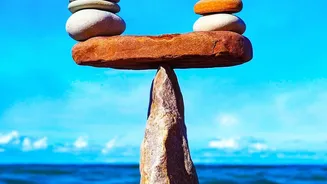
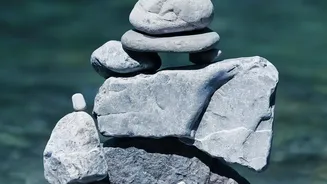
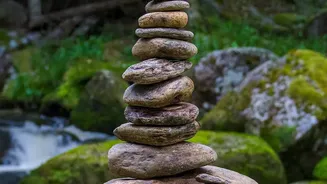
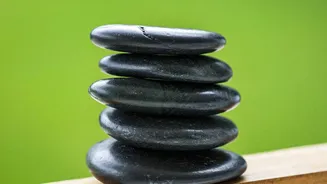
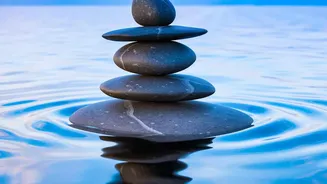
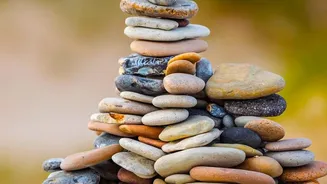
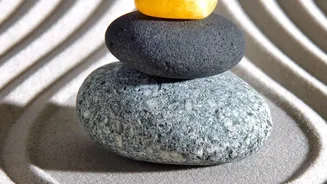
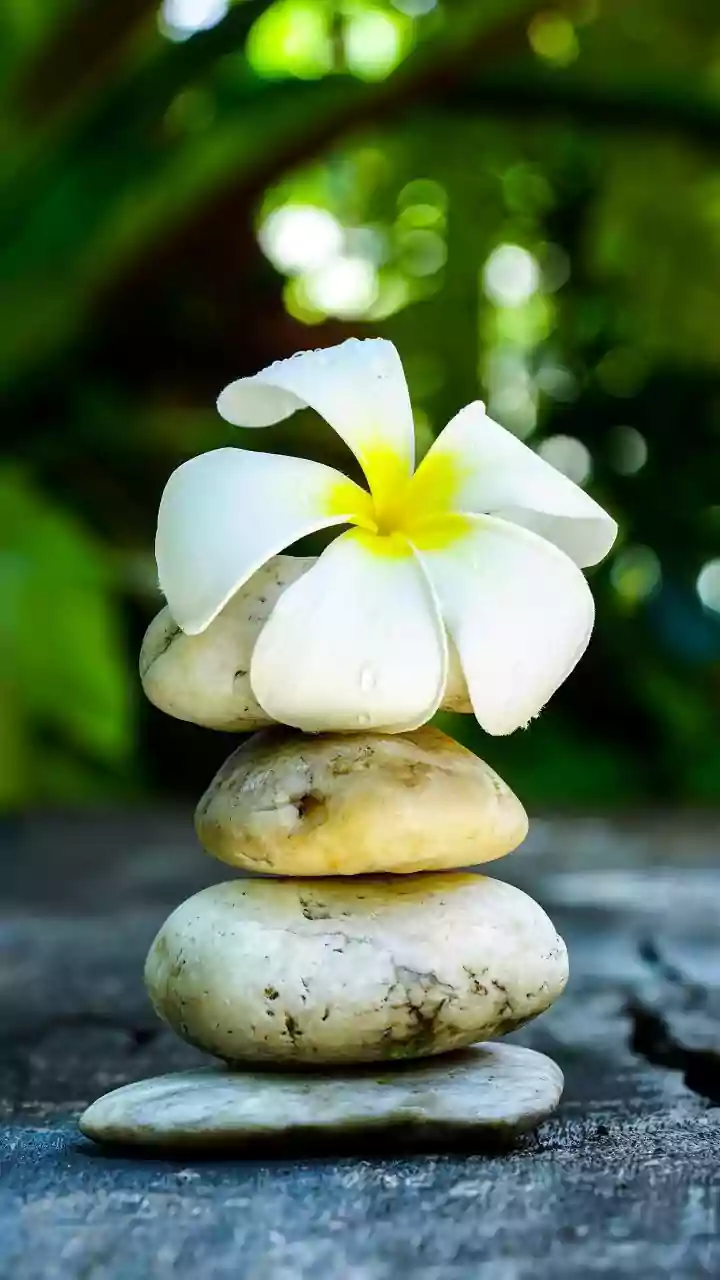
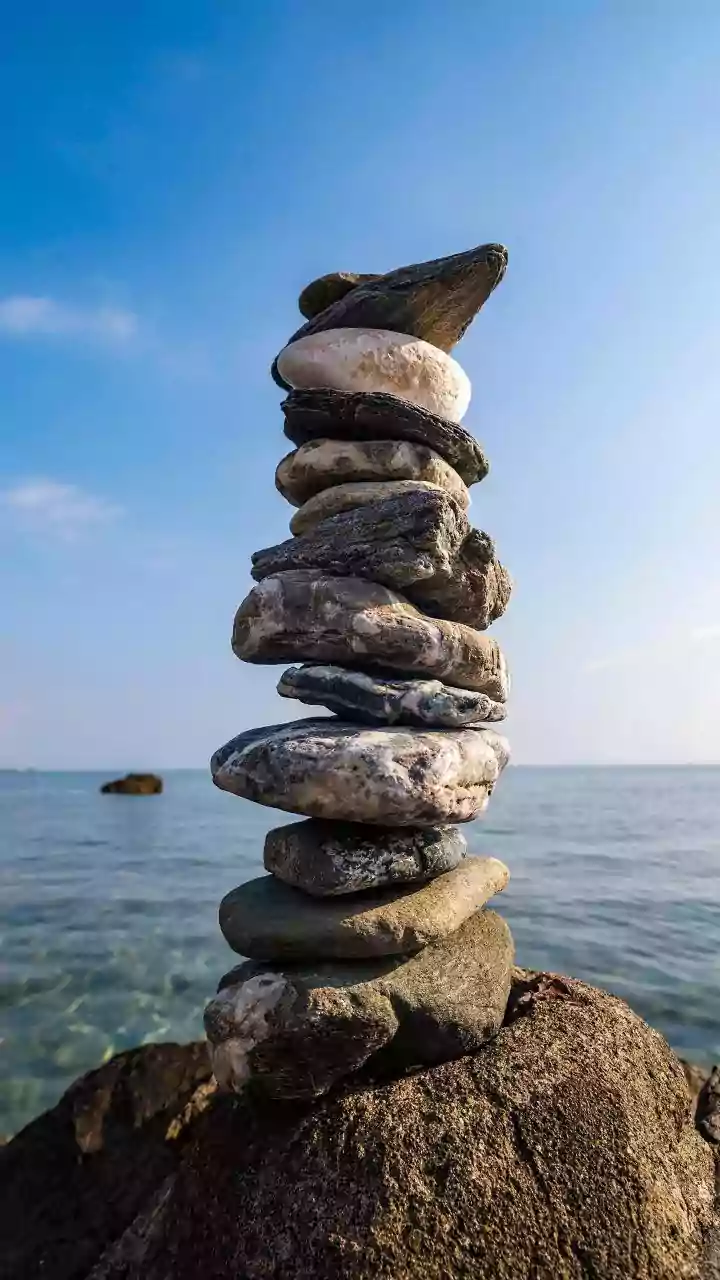
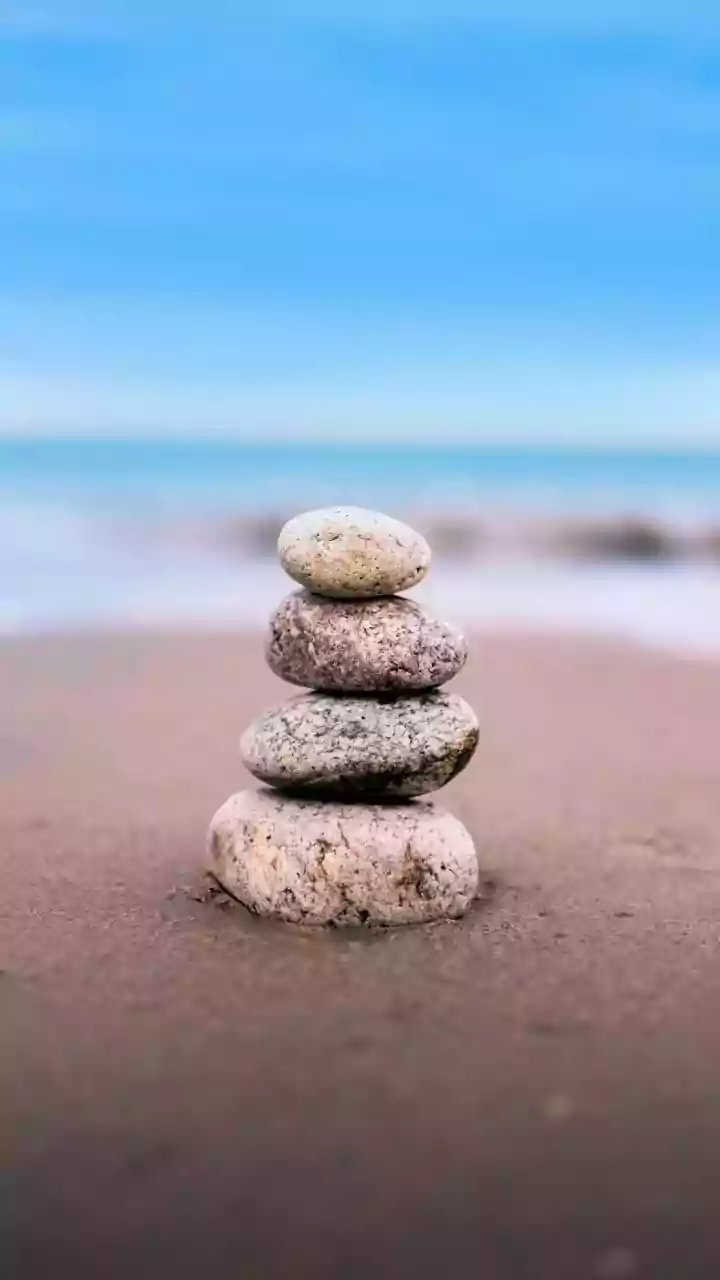
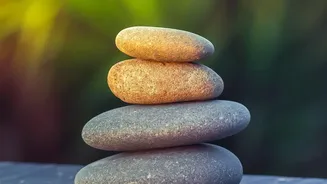
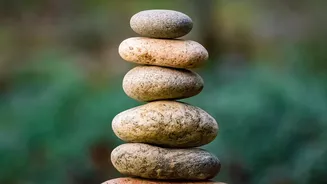
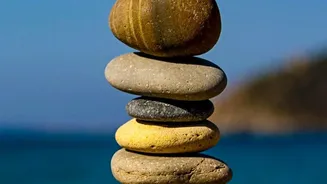
At its core, stone balancing is the art of stacking rocks in equilibrium without the use of any adhesives or supports. It’s a delicate dance with gravity. Practitioners don’t just pile stones; they search for the unique points of contact—often tiny indentations
or 'tripods' on the rock's surface—that allow for a stable, and often seemingly impossible, balance. This process is less about force and more about feeling. It requires a slow, steady hand and an intuitive understanding of weight and form, turning a simple natural resource into a profound expression of patience and impermanence.
A Meditative Workout for the Mind
The primary benefit many discover in stone balancing is its deeply meditative quality. The intense concentration required silences the endless chatter of the mind. To succeed, you must be fully present, focused entirely on the feel of the stones as they shift and settle. This state of deep focus helps improve concentration in other areas of life and serves as a powerful tool for stress reduction. The act of being outdoors, combined with the repetitive and calming motion of finding the right balance, can lower anxiety and promote a sense of mental clarity and tranquility.
The Fine Motor Skill Connection
This is where the practice moves from a mental exercise to a physical one. The act of picking up, orienting, and placing each stone with precision is a significant workout for fine motor skills. It demands exceptional hand-eye coordination, finger control, and dexterity. As you feel for the minute clicks and shifts that signal a locking point, you are training the neural pathways that govern precise movements. Over time, this practice can lead to improved coordination that benefits everyday tasks, from writing to any activity requiring a steady hand. It’s a tangible physical benefit derived from an otherwise still and quiet activity.
A Therapeutic and Developmental Tool
The principles of stone balancing are echoed in therapeutic settings, especially in pediatric occupational therapy. Activities that challenge balance and require careful placement of objects are used to help children develop motor planning, problem-solving skills, and resilience. When a tower falls, it teaches a valuable lesson in persistence and emotional regulation. The process of trial and error, without a single 'correct' answer, fosters creative thinking and adaptability. For adults and children alike, mastering a difficult balance provides a powerful boost in confidence and a practical lesson in achieving goals through patience.
How to Get Started Responsibly
Getting started is simple, but it requires the right mindset. Begin by choosing a rock to serve as a stable base. Then, select another stone and try to feel for its balance points. Hold it gently, feeling the direction it wants to fall, and make tiny adjustments until you sense a point of stability. Don't get discouraged by collapses; they are part of the process. The most crucial part of stone balancing is practicing environmental responsibility. Always follow Leave No Trace principles. This means using loose stones, avoiding the disruption of sensitive ecosystems like riverbeds, and, most importantly, returning all stones to their original places when you are finished. The goal is to leave the landscape as you found it, making your art a truly temporary and personal experience.