





The Promise of the Automated Pilot
The dream of automated mission control is simple: spacecraft that can think for themselves. For routine satellite operations or probes in deep space, where communication delays can stretch for minutes or hours, autonomy isn't just a convenience; it's
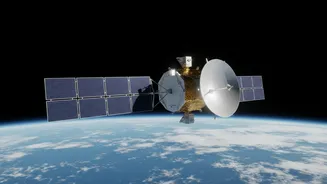
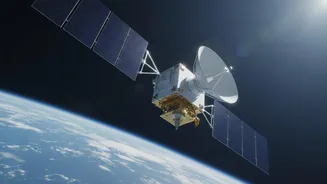
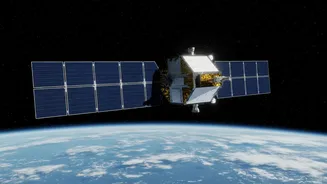
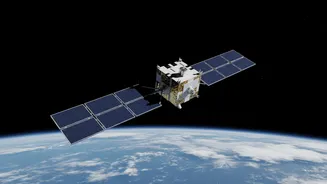
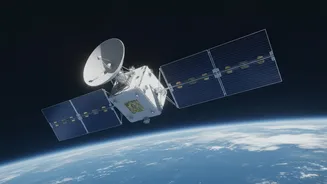
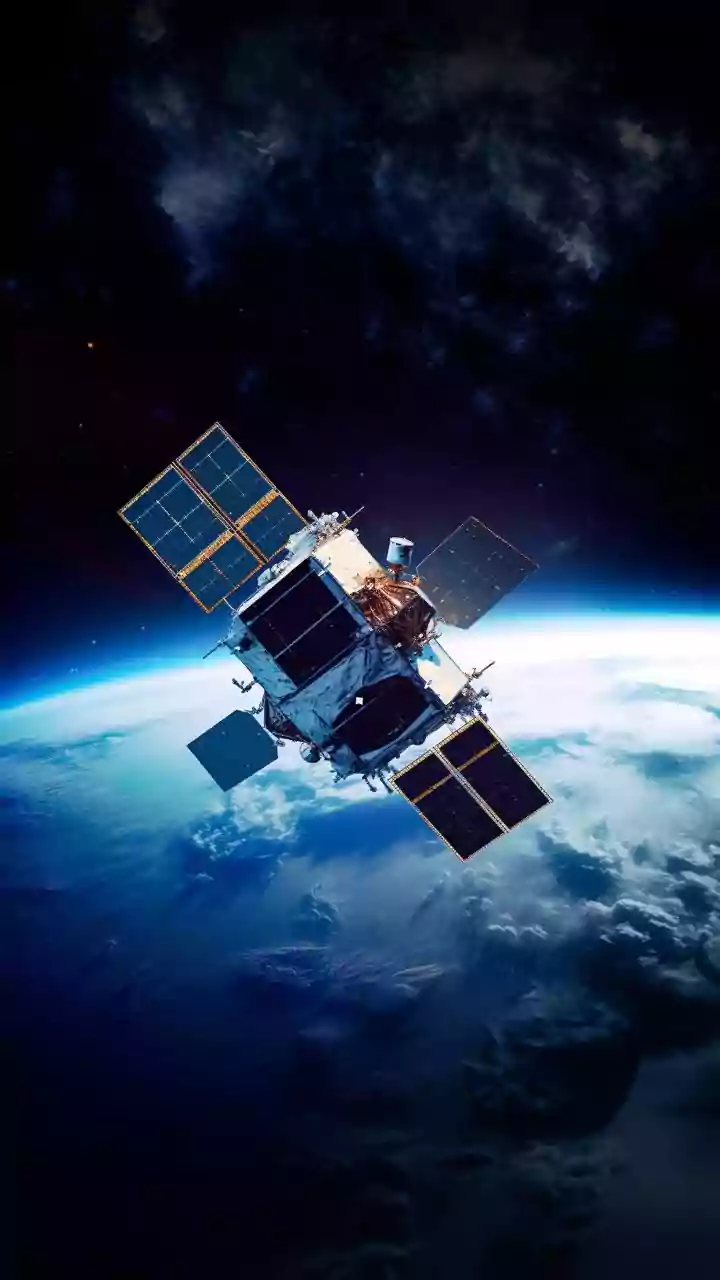
a necessity. Agencies like NASA and ESA, along with a booming private sector, are increasingly relying on AI to manage complex tasks. This includes automatically adjusting a satellite's orbit to avoid debris, predicting system failures before they happen, and making real-time decisions during critical events like planetary landings. The benefits are enormous. Automation reduces the immense cost of 24/7 human monitoring, speeds up data analysis, and enables more ambitious missions to distant, unpredictable environments. As constellations grow into the thousands of satellites, human-only management becomes nearly impossible, making AI essential for the future of the space economy.
The Peril of Trusting the Code
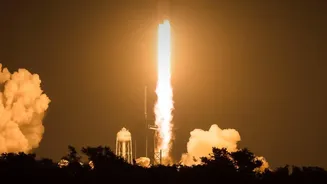
But with great automation comes great risk. The history of space exploration is littered with cautionary tales of software glitches leading to catastrophic failures, like the infamous Ariane 5 launch that failed 37 seconds after liftoff due to a code error. As systems become more complex and reliant on 'black box' machine learning models, the risk of unforeseen errors grows. Key discussions at the recent SMOPS-2026 conference in Bengaluru, India, centered on these very challenges. Topics like cybersecurity, system robustness, and mitigating the risks of increasingly crowded orbits were front and center. Experts agree that simply building powerful AI isn't enough; the systems must be verifiable, resilient, and transparent in their decision-making.
The Agenda for Building Trust
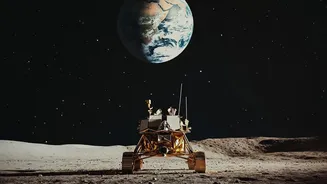
The theme of SMOPS-2026, "Innovative Operations for Smart and Sustainable Space Mission Management," reflects a maturing industry focused on reliability. A major focus was on Explainable AI (XAI), which aims to make AI decision-making understandable to human operators. If an AI decides to alter a rover's path on Mars, the human mission controller needs to know why. Another key area is the use of 'digital twins'—highly detailed virtual models of a spacecraft—to test AI responses to millions of simulated scenarios, including failures, before a mission ever leaves the ground. This rigorous validation is critical to building the trust needed to hand over the controls.
Keeping the Human in the Loop
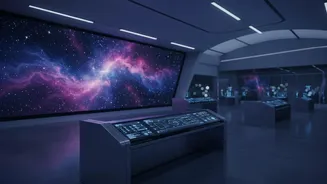
Ultimately, the consensus emerging from SMOPS-2026 and the broader aerospace community is not about replacing humans, but empowering them. The goal is to evolve the role of the mission operator from a hands-on pilot to a strategic supervisor. The ideal model is a "human-in-the-loop" system, where the AI handles 99% of routine tasks autonomously but is designed for seamless human intervention in an emergency or when facing an unexpected situation. This approach combines the speed and processing power of machines with the intuition and judgment of experienced human experts. It ensures that even as mission control centers become quieter and more automated, the final accountability rests with a person, not an algorithm.