



Not Your Average Batch of Cookies
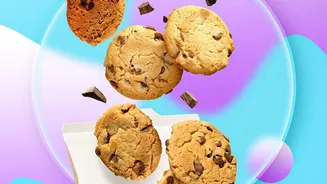
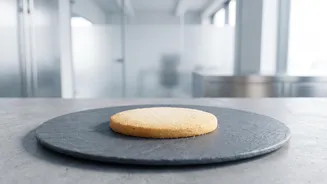
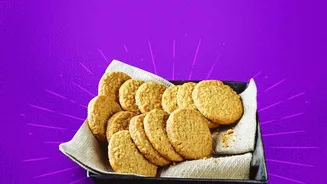
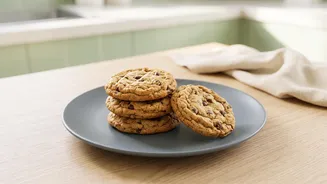
The µBites (pronounced 'microbites') cookie is a revolutionary, if unusual, proof-of-concept developed by researchers at Southern Illinois University. Forget flour, butter, and sugar in the traditional sense. The primary components of this cookie begin
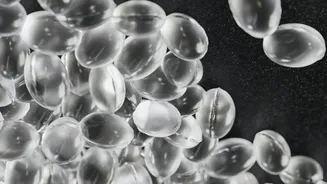
as polyethylene terephthalate (PET) plastic—the kind used in water bottles—and agricultural leftovers like corn stalks. The goal isn't to launch a new snack brand, but to demonstrate a futuristic method of upcycling waste into nutrition. Researchers have successfully transformed these materials into edible proteins and other nutrients, creating a vanilla-scented cookie that, for now, exists only in the lab.
From Plastic Bottle to Protein
The process sounds like alchemy, but it's grounded in modern microbiology. First, the waste materials are broken down into their basic chemical components. Then, the magic happens: genetically engineered microbes, including common baker's yeast, are programmed to consume these components. One strain of yeast consumes plant-derived compounds to produce vanillin, the molecule responsible for vanilla flavour. Another is engineered to take ethylene glycol from the processed PET and convert it into beta-carotene, a nutrient our bodies turn into Vitamin A. It is crucial to note that the final product does not contain plastic. The microbes metabolise the base chemicals, transforming them into completely new, edible compounds like proteins and fats.
The Role of Starch, Fibre, and Sweetener
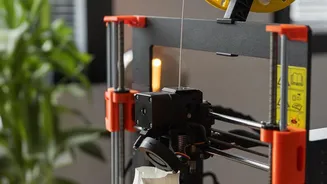
While the yeast produces the core nutritional building blocks, it doesn't create a complete cookie on its own. To turn the resulting microbial biomass into a recognisable food item, scientists currently mix it with more conventional ingredients: starch for structure, fibre for texture and health benefits, and a sweetener to make it palatable. This mixture is then extruded through a 3D printer to give it its cookie shape before being cooked. These added components are essential for creating the food's structure and ensuring it has a desirable taste and feel, bridging the gap between a protein paste and a finished product.
The Meaning of 'For Now'
The phrase 'for now' in the headline is key to understanding the project's ambitious scope. The current reliance on externally added starch, fibre, and sweeteners is a temporary step. The research team's ultimate goal is to create a nearly self-sufficient food production system. They envision a future where all the necessary ingredients, including the starches and sweeteners, are also produced through microbial processes. This would mean the entire cookie could one day be generated from waste feedstocks, making the technology even more valuable for resource-scarce environments. The project is a work in progress, with each step bringing it closer to a fully circular model of food production.
More Than Just a Bizarre Snack
While the idea of a plastic-derived cookie is startling, the potential applications are profound. The µBites project, which is part of a NASA initiative to develop food for deep-space missions, offers a glimpse into a future where food can be produced in extreme environments. Beyond space travel, this technology could be deployed in disaster zones or submarines where traditional supply chains are broken. On a grander scale, it presents a radical approach to tackling two of the world's most pressing problems: the growing crisis of plastic pollution and the projected rise in global food demand. It challenges us to see waste not as an endpoint, but as a beginning.