





The Rise of Battery Swapping
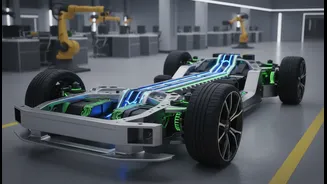
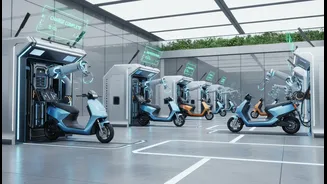
One of the biggest hurdles for EV adoption has always been the high upfront cost, largely driven by the battery. The solution gaining significant traction is battery swapping. This model, often called Battery-as-a-Service (BaaS), separates the cost of the battery from
the vehicle itself. Customers buy the vehicle without the battery and pay a subscription fee to use a network of swapping stations. This instantly makes the initial purchase price much lower and more competitive with traditional petrol vehicles. Beyond cost, swapping solves two other critical user concerns: range anxiety and charging time. Instead of waiting for hours to charge, a driver can pull into a station and have a depleted battery robotically replaced with a fully charged one in minutes. This is a game-changer, particularly for commercial vehicles like taxis and delivery fleets that can't afford long downtimes. Companies like Battery Smart and Reliance New Energy are aggressively expanding their swapping networks, focusing first on the high-usage two- and three-wheeler segments that dominate last-mile delivery.
The Strategic Push for Lower Prices
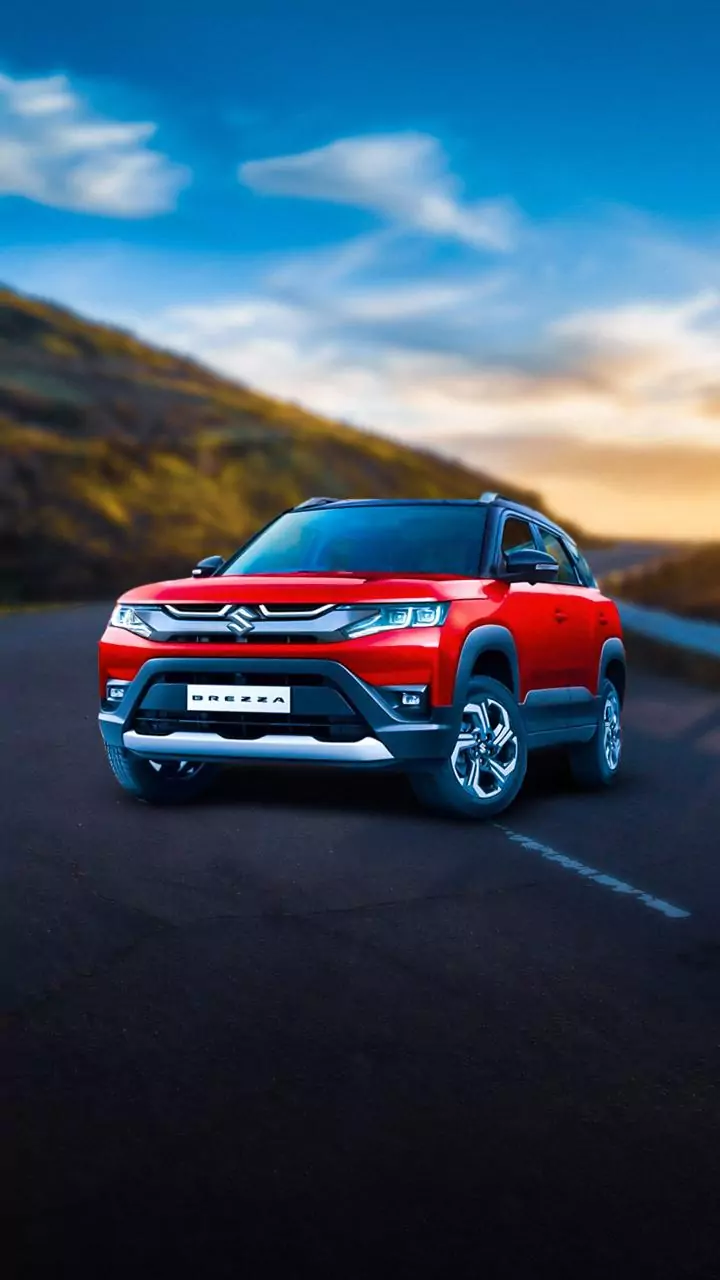
For EVs to truly capture the Indian market, they must be affordable. While battery swapping helps by reducing the initial purchase price, manufacturers are also tackling affordability head-on by launching new, cost-effective models. Companies like Tata and MG have found success with cars like the Tiago EV and Comet EV, which are priced to appeal to urban commuters and first-time EV buyers. Just this month, Kia launched its most affordable EV in India, the Syros, signaling a clear trend toward budget-friendly options. This price-conscious strategy is supported by government incentives that lower taxes on EVs compared to their hybrid or petrol counterparts. Furthermore, a focus on local manufacturing and supply chain localization is helping carmakers reduce costs and de-risk their operations from global disruptions. The combination of smaller, fit-for-India vehicles, the BaaS model, and government support is creating a powerful formula for making EVs accessible to a much broader segment of the population.
Fleet Partnerships as Market Accelerators
While many imagine the typical EV buyer as an individual consumer, the real engine of growth in India's next EV phase is the commercial fleet operator. Companies in logistics, e-commerce, ride-hailing, and corporate employee transport are rapidly electrifying their fleets. For these businesses, the total cost of ownership—including fuel and maintenance—is more important than the sticker price. EVs offer significantly lower running costs, making them economically superior for high-mileage operations. These large-scale fleet partnerships provide automakers with the predictable, high-volume orders needed to achieve manufacturing scale and drive down costs for everyone. Recent partnerships, such as Amazon deploying 1,000 electric trucks and JBM supplying 500 electric buses through leasing models, highlight this trend. Fleets create the perfect use case for battery swapping, as their predictable routes and centralized depots simplify the infrastructure planning and ensure high utilization of swap stations.
An Interconnected Ecosystem for Growth
These three trends—battery swapping, low prices, and fleet partnerships—are not happening in isolation. They form a reinforcing cycle that is accelerating India's EV transition. Fleet deals create the foundational demand that justifies investment in a nationwide battery-swapping network. A robust swapping network, in turn, makes EVs more practical and affordable, encouraging more fleets and individual buyers to make the switch. This commercial-led strategy helps build out the necessary infrastructure and drives down battery and vehicle costs through economies of scale. As the commercial EV market matures, the benefits will increasingly spill over to the consumer segment. The charging and swapping stations built for delivery fleets will become available to the public, and the cost reductions achieved through mass production will lead to even more affordable electric cars and scooters for personal use. It's a pragmatic, business-first approach that is building a sustainable foundation for an all-electric future.