






The Fading Flavours of India
Across India, a quiet disappearance is taking place. In Maharashtra, the monsoon-foraged dragon stalk yam, or Shevla, is becoming a rare sight in markets. In Rajasthan, dishes made from desert-grown Ker Sangri are less common. Even entire categories of
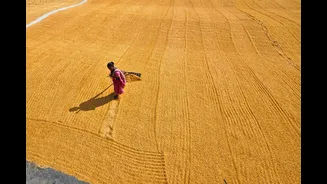
food, like the countless heirloom rice varieties that once carpeted the country, have been pushed to the brink. Until the 1970s, India was home to an estimated 110,000 types of rice. Today, experts suggest that roughly 90 percent of these have vanished from farmers' fields, existing only in seed banks, if at all. The loss isn't just about rice; it includes wild mushrooms like Jharkhand's 'rugda' and unique vegetables that were once staples of regional diets. These are not just ingredients; they are pillars of culinary traditions and local ecosystems that are slowly crumbling.
Why Our Plates Are Becoming Homogenised
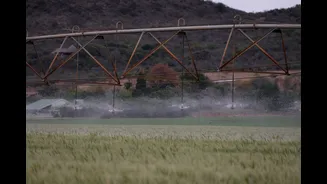
This isn't happening by accident. The primary driver has been a global push towards agricultural standardisation. In India, the Green Revolution of the 1960s and 70s, while successful in increasing food grain production, had an unintended consequence. It promoted a small number of high-yield varieties of rice and wheat, sidelining thousands of indigenous strains. These traditional varieties were often better adapted to local conditions, requiring fewer expensive inputs like chemical fertilisers and pesticides. However, market forces and government policies favoured the new hybrids. Farmers, facing brutal economic choices, rationally opted for crops that promised a higher, more reliable yield, even if it meant abandoning centuries of agricultural heritage. This shift, combined with changing consumer tastes and the complexities of bringing niche, seasonal produce to large urban markets, has created a food system that favours uniformity over diversity.
More Than Just Recipes Are at Risk
When a regional food disappears, we lose more than just a dish. We lose the ecological wisdom and cultural identity tied to it. According to the UN's Food and Agriculture Organization (FAO), biodiversity is essential for making our food systems more resilient to shocks like climate change. A wider variety of crops provides a natural defence against pests and drought. Many of these disappearing plants, like the Avaram flower in Karnataka or the protein-rich sangri pods of Rajasthan, also hold significant nutritional and medicinal value that is being overlooked. The erosion of this biodiversity means we are putting our food security in the hands of a perilously small number of globally cultivated crops. Today, just nine plant species account for two-thirds of all crop production worldwide, making the global food supply dangerously vulnerable.
The Seeds of a Revival
The situation, however, is not without hope. A growing movement of farmers, chefs, and conservationists across India is working to turn the tide. In states like Odisha and West Bengal, 'seed warriors' and conservation farms are painstakingly collecting and regenerating thousands of endangered heirloom rice varieties. They distribute these seeds to farmers, helping to reintroduce resilient native strains that can withstand floods or salinity, conditions where modern hybrids often fail. Chefs are championing 'lost' recipes and forgotten ingredients, creating new demand and reconnecting consumers with their culinary heritage. These efforts highlight a critical truth: saving these foods is not just about preserving the past, but about investing in a more secure and flavourful future.