


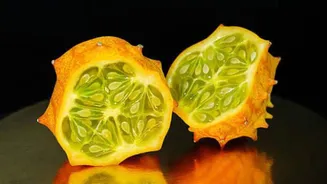
The Rise of Superfood Fatigue
Remember the era of goji berries, the reign of kale, and the moment spirulina algae turned everything a questionable shade of green? The wellness industry has long been fuelled by a relentless hunt for the next 'superfood'—often exotic, expensive, and accompanied
by grand claims. Consumers have been encouraged to chase after rare seeds from distant mountains and obscure powders from deep jungles, creating a cycle of hype and eventual burnout. This constant pressure to keep up with the latest miracle ingredient has led to what many are calling 'superfood fatigue'. The claims can be confusing, the science is sometimes shaky, and the cost adds up. Many are starting to question whether a healthy diet really needs to be so complicated and exclusive. The term 'superfood' itself is more of a marketing label than a scientific classification, a fact that is becoming more widely understood.
The Quiet Return of the Humble Date
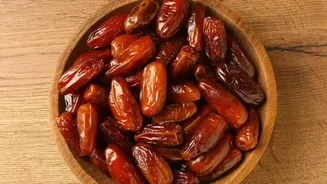
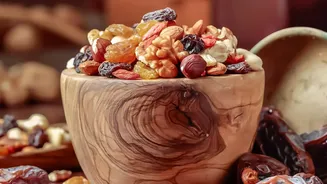
Enter the date. This sweet, chewy fruit is experiencing a massive surge in popularity, not because of a new marketing campaign touting it as a miracle cure, but for the opposite reason: its straightforward honesty. In a world of confusing labels, the date is refreshingly simple. It is naturally sweet, packed with fibre, and provides a quick yet sustained energy boost. Rich in essential nutrients like potassium and magnesium, dates have been a staple for millennia for good reason. They are now being rediscovered by people looking for alternatives to ultra-processed snacks and refined sugars. Viral social media recipes for simple treats have certainly helped, but the core of the trend is a shift towards whole foods that are easy to understand and enjoy.
Simplicity Is the New Luxury
The growing popularity of dates is part of a larger movement towards 'whole food indulgence' and simplicity. Consumers are increasingly prioritising foods that are minimally processed and have short, recognisable ingredient lists. This isn't about deprivation; it's about finding satisfaction in real, unpretentious food. It's a recognition that you don't need a PhD in nutrition to eat well. This trend is visible across the board, with a renewed interest in traditional pantry staples and foods that deliver on their promises of basic nutrition without the drama. In this context, the date is the perfect symbol: a whole fruit, naturally sweet, versatile, and requiring no special preparation to be enjoyed. It represents a move away from eating based on anxiety and complex rules, and towards a more intuitive, enjoyable approach to nourishment.
How to Embrace the Trend
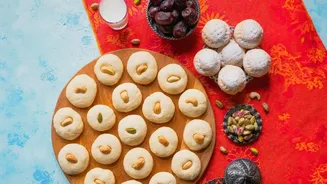
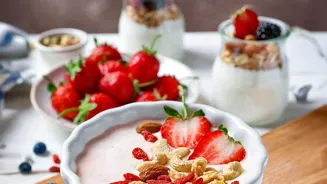
Adopting this simpler approach doesn't require a kitchen overhaul. It's about making small, satisfying swaps. Instead of a processed cereal bar for that 4 pm slump, try a couple of dates stuffed with almonds or walnuts. Blend them into your morning smoothie for natural sweetness instead of using sugar or artificial sweeteners. They can be chopped and added to oatmeal or yoghurt, or simply enjoyed on their own with a cup of tea or coffee. Because dates are a low-glycemic-index food, they provide energy without the dramatic sugar crash associated with candy and other sweets. The goal isn't to live on dates alone, but to use them as a reminder that wholesome, delicious food doesn't have to be complicated or come with a hefty price tag and a list of unproven claims.