


Beyond the Monsoon: A New Danger
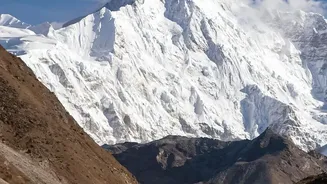
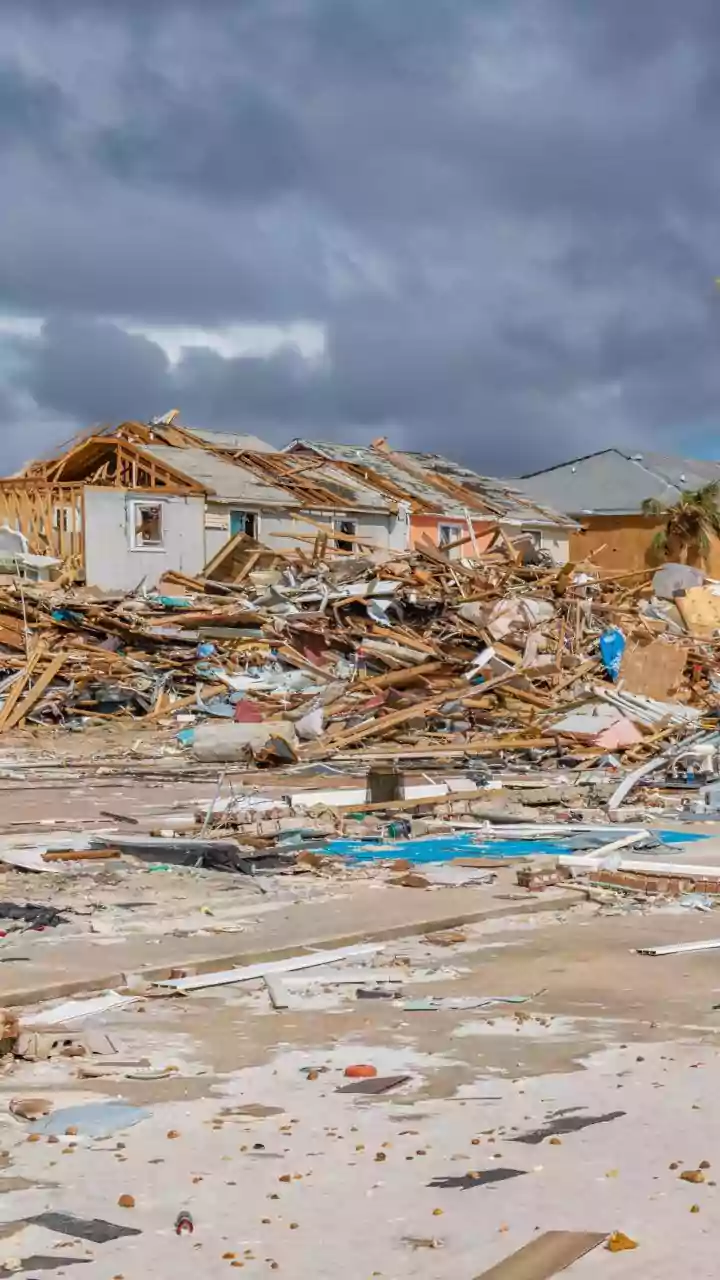
The tragic floods that recently swept through Nepal, starting around August 26, 2026, were not caused by rainfall alone. The catastrophe began high in the mountains with a massive avalanche of rock and ice. This initial event was devastating, but in its
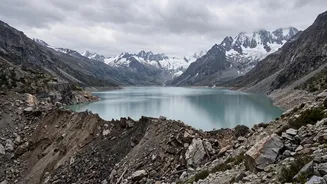
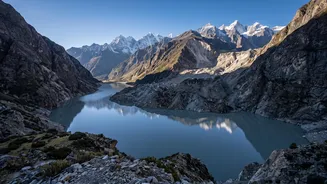
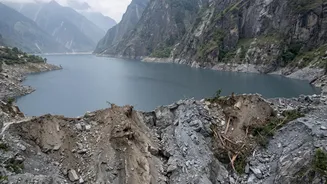
wake, it created a secondary threat known as a barrier lake. Debris from the avalanche blocked river channels, causing water to back up and form a large, unstable lake, holding millions of cubic metres of water. This is the 'new' threat: an unpredictable, naturally formed reservoir that could burst at any moment, triggering a second, even more destructive flood.
What Exactly Is a Barrier Lake?
A barrier lake, also known as a landslide dam, is a natural phenomenon where a river is blocked by a massive amount of debris. Unlike a man-made dam, which is engineered with concrete and steel for stability and has controlled spillways, a barrier lake is held back by a loose, unconsolidated mix of rock, soil, ice, and mud. These natural dams are inherently weak. They can fail suddenly and catastrophically for several reasons: overtopping, where the rising water spills over the top and rapidly erodes the loose material; seepage, where water bores a tunnel through the dam, weakening it from within; or a subsequent landslide into the lake, causing a massive wave that breaches the dam.
A Recipe for Disaster in the Himalayas
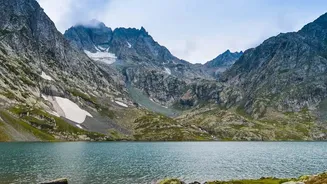
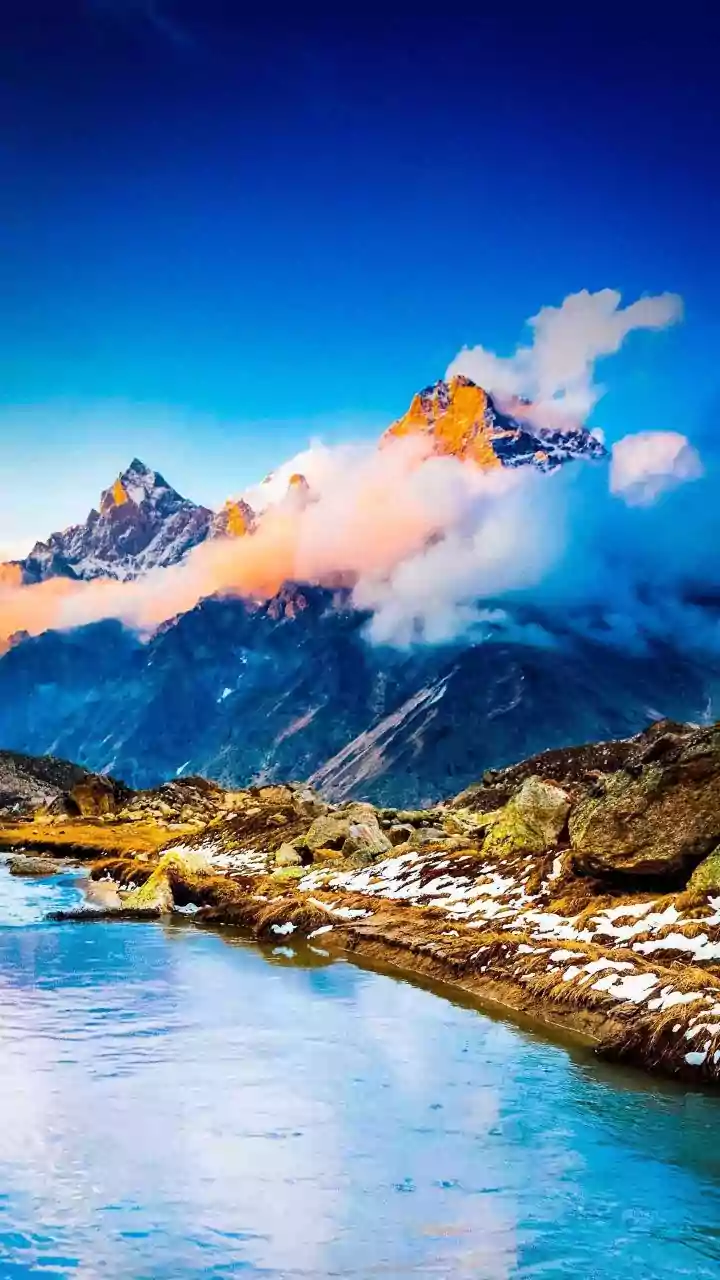
The Himalayas are uniquely susceptible to the formation of these dangerous lakes. Geologically, the mountain range is very young and tectonically active, meaning it's still rising. The slopes are incredibly steep, and the rock is often fractured and unstable. Add to this the intense rainfall of the monsoon season and the constant threat of earthquakes, and you have a perfect recipe for landslides. When these massive landslides occur in the narrow, deep valleys typical of the Himalayas, they can easily block rivers, leading to the rapid formation of barrier lakes. This combination of factors makes the Himalayan region a global hotspot for this type of hazard.
The Climate Change Connection
While landslides have always occurred in the Himalayas, climate change is acting as a dangerous threat multiplier. Rising global temperatures are causing glaciers to melt and permafrost—the permanently frozen ground that glues mountainsides together—to thaw. This destabilises entire slopes, making large-scale rock and ice avalanches more frequent. Furthermore, a warmer atmosphere holds more moisture, leading to more extreme and intense rainfall events that can trigger landslides and rapidly fill any newly formed lakes. Scientists refer to this as a 'cascading hazard,' where one climate-driven event triggers another, creating a chain reaction of destruction that is becoming more common.
Why This Is India's Concern
The danger does not stop at Nepal's border. Many of the major rivers that flow through Nepal, such as the Trishuli (which is part of the Gandaki river basin), are major tributaries of the Ganges River in India. A catastrophic outburst flood from a barrier lake in Nepal would not lose energy; it would gain it, collecting more debris and momentum as it thunders downstream. This wall of water and debris would surge into downstream Indian states like Bihar and Uttar Pradesh with terrifying speed and little warning, posing a severe threat to densely populated areas. In the recent disaster, victims were washed hundreds of kilometres downstream, with some bodies being recovered in Uttar Pradesh, highlighting the very real and immediate cross-border risk.