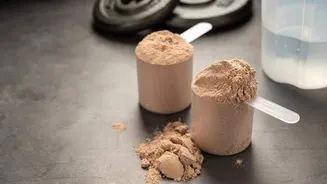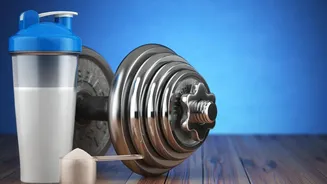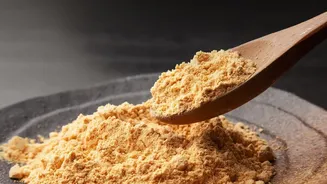






Myth: Protein powder is a shortcut to building muscle
This is the most pervasive myth of all. The simple truth is that protein powder does not build muscle on its own. Muscle growth, or hypertrophy, happens when you stress your muscles through resistance exercise, like lifting weights. This stress creates
tiny micro-tears in the muscle fibres. Your body then uses protein to repair these tears, making the muscles grow back bigger and stronger. Protein powder is simply a convenient source of this essential macronutrient. Without the stimulus of a workout, your body has no reason to build new muscle tissue. Consuming extra protein without training will primarily help maintain your existing muscle mass, not add to it.
Myth: The more protein you consume, the more muscle you'll build
While it's true that active individuals need more protein than sedentary ones, there's a limit to how much your body can effectively use for muscle synthesis at one time. Studies suggest that consuming more than 25-40 grams of protein in a single sitting offers no additional muscle-building benefit. For most active adults, a daily intake of around 1.2 to 2.0 grams of protein per kilogram of body weight is considered optimal for supporting muscle growth. Consuming excessive amounts beyond this won't accelerate gains. Instead, the surplus protein is either used for energy or, in a calorie surplus, can be stored as fat. It's more effective to spread your protein intake evenly throughout the day.
Myth: All protein powders are created equal
The protein aisle can be overwhelming, but understanding the main types can help you choose. Whey protein, a milk derivative, is fast-digesting and rich in the amino acid leucine, which is key for triggering muscle synthesis, making it popular for post-workout recovery. Casein, the other milk protein, digests slowly, providing a sustained release of amino acids that can be beneficial before bed to aid recovery and reduce muscle breakdown overnight. Plant-based proteins, derived from sources like peas, soy, or brown rice, are excellent options for vegetarians, vegans, or those with dairy sensitivities. While individual plant sources might not have the complete amino acid profile of whey, they can be combined to provide all the essentials. The best choice depends on your dietary needs, goals, and timing.
Myth: Protein shakes are a perfect meal replacement
While convenient, a simple protein shake mixed with water is not a nutritionally complete meal. Protein powders are designed as supplements to help you meet your protein goals, not to replace whole foods. A balanced meal provides carbohydrates, fats, fibre, vitamins, and minerals that a basic shake lacks. Relying too heavily on shakes can lead to nutritional gaps. However, you can turn a protein shake into a more balanced, meal-like option by blending it with other ingredients like fruits, vegetables (like spinach), healthy fats (like nut butter or avocado), and a source of complex carbs (like oats). This creates a more nutritionally robust and satisfying shake for when you're short on time.
Myth: Only elite athletes and bodybuilders need protein powder
Protein is a fundamental nutrient required by everyone for basic bodily functions, from tissue repair to immune support. While athletes have higher protein needs to support performance and recovery, others can also benefit from supplements. Older adults, for instance, may need more protein to combat age-related muscle loss, a condition known as sarcopenia. Vegetarians or vegans might find it challenging to meet their protein needs through diet alone. Similarly, someone recovering from an injury or simply looking to manage their weight may find a protein supplement useful for satiety and muscle maintenance. The key is to see protein powder as a tool to fill dietary gaps, not as something reserved exclusively for the gym elite.