





The Nuclear Dilemma
At the heart of the standoff is Iran's nuclear program. The original 2015 deal, known as the JCPOA, placed strict limits on Iran's uranium enrichment in exchange for lifting economic sanctions. After the US withdrew from the deal in 2018, Iran began ramping
up its nuclear activities. Today, a major point of contention is the fate of Iran's stockpile of highly enriched uranium. The US is demanding that Iran either surrender its enriched uranium or agree to severe, long-term limitations on its enrichment activities. Washington insists on guarantees that Tehran can never produce a nuclear weapon. Iran, while maintaining its program is for peaceful purposes, is reluctant to dismantle the infrastructure it has painstakingly built without concrete and lasting concessions from the US.
The Sanctions Sticking Point
For Iran, the primary incentive for any deal is the removal of crippling economic sanctions. Tehran is demanding the lifting of all unilateral US sanctions, including those on its crucial oil exports and financial sector. This would unlock billions of dollars in frozen revenues held abroad. However, the US is unwilling to provide broad sanctions relief without what it considers significant and verifiable concessions on the nuclear front. Washington's position is that sanctions were imposed due to Iran's nuclear activities and will only be lifted when those activities are curbed permanently. This creates a classic chicken-and-egg scenario: Iran will not scale back its nuclear program without sanctions relief, and the US will not lift sanctions without nuclear concessions, leading to a stalemate where neither side is willing to move first.
The Hormuz Flashpoint
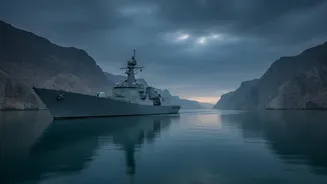
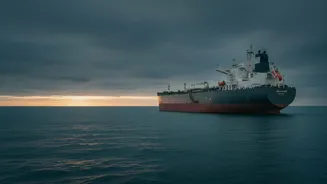
The Strait of Hormuz, a narrow waterway through which about a fifth of the world's oil supplies pass, has become another major point of friction. In recent months, tensions in the strait have escalated dramatically, with Iran asserting greater control over shipping lanes. The US and its allies insist on the principle of free and secure transit for all commercial vessels. Recent indirect talks have reportedly focused on ensuring safe passage, but fundamental disagreements remain. Iran has sought to establish a new regime to govern the strait, which the US fears could be used as a tool for economic extortion. The security of this vital energy artery is now intrinsically linked to the broader nuclear and sanctions negotiations, adding another layer of complexity to an already fraught diplomatic process. Recent reports indicate that while Iran is holding some discussions with Oman regarding passage through the strait, direct talks with the US on the broader issues remain off the table.
Why the Stalemate Matters for India
The deadlock between Washington and Tehran has significant repercussions for India. As a major importer of crude oil, any disruption to shipping in the Strait of Hormuz directly threatens India's energy security and can lead to higher fuel prices. The stability of the wider Gulf region is also paramount, as it is home to a large Indian diaspora that is a crucial source of foreign remittances. Protracted conflict or instability could jeopardize the safety and livelihoods of millions of Indian nationals. Furthermore, India has historically maintained diplomatic and economic ties with Iran, including investments in projects like the Chabahar Port, which provides a strategic trade route to Afghanistan and Central Asia. The ongoing US sanctions complicate these interests, forcing New Delhi to perform a delicate balancing act between its strategic partnerships with Washington and its regional interests in Tehran.