

The Invisible Ripener in Your Kitchen
Ethylene is a natural plant hormone released by many fruits and some vegetables as a gas. It acts as a signal, telling produce to ripen by softening, changing colour, and developing flavour and aroma. Think of it as a messenger that announces it's time
to mature. This process is perfectly natural and helps climacteric fruits—those that continue to ripen after being picked—reach peak deliciousness. However, this same gas also accelerates the ageing process, leading to decay. When high-ethylene producers are stored near ethylene-sensitive items, they can cause the sensitive produce to spoil much faster than they would on their own. This leads to wilted greens, bitter carrots, and spotted cucumbers.
The Ethylene Producers: Handle with Care
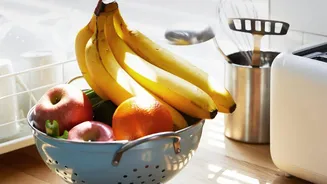
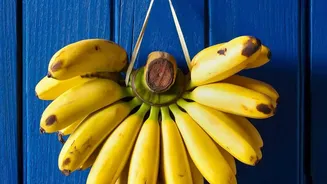
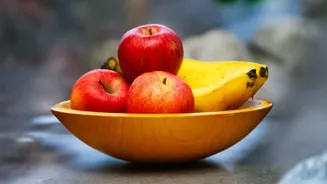
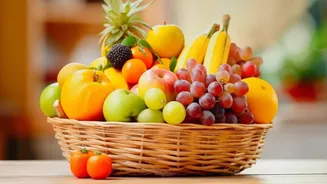
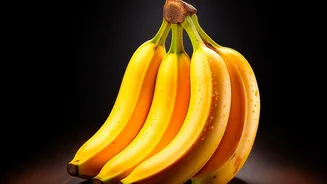
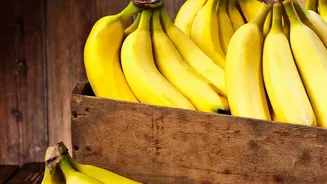
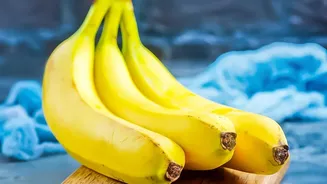
Some fruits are notorious for producing high amounts of ethylene gas, especially as they ripen. Being aware of these can help you store them smartly. The most common high-ethylene producers include apples, bananas, mangoes, papayas, avocados, peaches, pears, plums, and tomatoes. A single ripe banana or apple in a fruit bowl can significantly speed up the ripening and subsequent spoilage of everything around it. While this gas is odourless and harmless to humans in these concentrations, it's a powerful agent in the life cycle of your produce. Storing these items by themselves on a counter or in a separate bag or drawer is a key first step to extending the life of your other groceries.
The Ethylene-Sensitive Bunch: Keep Them Apart
On the other side of the spectrum are fruits and vegetables that are highly sensitive to ethylene. When exposed to the gas, they degrade quickly. This group includes many of the green vegetables we rely on for daily meals. Key ethylene-sensitive produce includes leafy greens like spinach and lettuce, herbs such as parsley and cilantro, carrots, cucumbers, broccoli, and cauliflower. Potatoes are also sensitive and can begin to sprout when exposed to ethylene. Asparagus can become tough, and green beans may develop brown spots. To keep these items fresh, it is crucial to store them far away from the ethylene-producing fruits. Your refrigerator's crisper drawer is often the best place for them, ideally separated from any high-ethylene fruits.
Your Guide to Smart Storage
Putting this knowledge into practice is simple. First, avoid storing high-ethylene and ethylene-sensitive produce together. Don't put bananas next to your leafy greens or apples in the same drawer as your carrots. Second, use your refrigerator wisely. Lower temperatures slow down the ripening process and the effects of ethylene. Use separate crisper drawers if you have them—one for producers and one for sensitive items. If you only have one, consider keeping the ethylene producers on the counter. Third, don't store potatoes and onions together; while both prefer a cool, dark place, gases from onions can cause potatoes to sprout faster. Finally, check your produce regularly and remove anything that is overripe or has started to spoil, as it will release even more ethylene and accelerate the decay of nearby items.
Using Ethylene to Your Advantage
While ethylene can be a source of spoilage, you can also make it work for you. If you have produce that needs to ripen faster, like a rock-hard avocado or a green mango, you can harness the power of ethylene. Place the unripe item in a paper bag with a ripe banana or an apple. Close the bag loosely; this will trap the ethylene gas inside and concentrate its effects, speeding up the ripening process significantly. Check on it daily, as the process can happen quickly. Once the fruit reaches the desired ripeness, you can move it to the refrigerator to slow down further ageing and enjoy it at its best.