
The Reality: A World-Class Conditioner
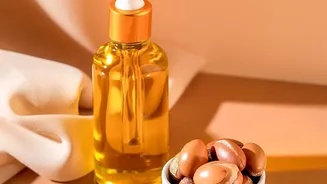
Argan oil's reputation as a top-tier conditioner is well-deserved and backed by its chemical makeup. The oil, derived from the kernels of Moroccan argan trees, is rich in fatty acids, primarily oleic acid and linoleic acid. These oils lubricate the hair
shaft, helping it retain moisture. This action smooths the hair's outer layer, or cuticle, which reduces frizz, tames flyaways, and imparts a noticeable shine. Furthermore, argan oil is a potent source of Vitamin E, a fat-soluble antioxidant. This vitamin provides a protective fatty layer to the hair and scalp, which can help prevent dryness and boost shine. This combination of nourishing fatty acids and protective antioxidants makes it highly effective at improving the look and feel of your hair, reducing breakage, and protecting it from styling damage.
The Myth: A Miracle Hair Growth Stimulant
This is where the marketing often outpaces the science. Despite its popularity, there is very limited scientific evidence to support the claim that argan oil directly stimulates new hair growth or makes hair grow faster. Multiple reviews of cosmetic ingredients and dermatological studies conclude that while the oil is excellent for hair and scalp health, its specific effect on hair loss is not well-researched in humans. Some preliminary studies have hinted at potential benefits, such as one showing argan extract may enhance cell growth in hair follicles, but these are not large-scale human trials focused on hair growth rates. The consensus among experts is that argan oil is a superb cosmetic conditioner, not a medical treatment for hair loss. Its main contribution to 'fuller' hair is its ability to prevent breakage, which helps you retain length.
An Indirect Benefit: A Healthier Scalp
While it may not be a growth miracle, argan oil can create a better environment for healthy hair to thrive. Hair growth starts with a healthy scalp, and this is where the oil's properties are genuinely beneficial. Its anti-inflammatory and antioxidant compounds can help soothe the skin and improve conditions like dandruff or a dry, itchy scalp. A calm, well-moisturised scalp is a better foundation for strong hair production. The antioxidants in the oil, like Vitamin E, also help protect the scalp from oxidative stress caused by UV rays and pollution, which can otherwise damage hair follicles. So, while argan oil doesn't directly trigger growth, it supports the underlying ecosystem that your hair depends on.
How to Use Argan Oil Effectively
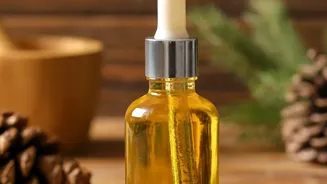
To get the most out of argan oil, focus on its proven strengths. For conditioning and shine, use it as a finishing serum. Warm one or two drops between your palms and smooth it over the mid-lengths and ends of dry, styled hair to tame frizz and add gloss. For a deeper treatment, it can be used as a pre-shampoo mask. Massage a more generous amount into your scalp and through your hair, leave it on for 30 minutes, and then wash it out. This allows the fatty acids to penetrate and moisturise both the scalp and hair shaft. You can also add a few drops to your regular conditioner for an extra boost of hydration. The key is to use pure, cold-pressed argan oil, as blended products may contain silicones or other additives that dilute its benefits.