



What Exactly Happened?
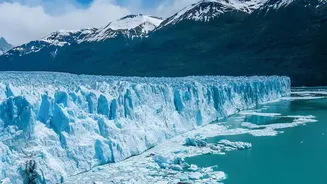
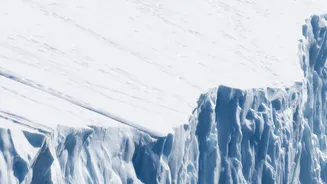
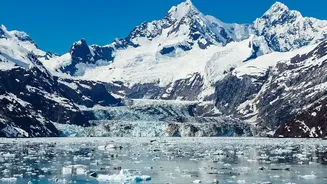
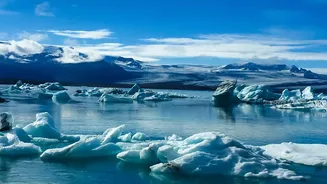
In early August 2026, satellite imagery confirmed that a massive block of ice, approximately 76 square kilometres, calved from the Petermann Glacier in northwest Greenland. This event, where an iceberg breaks off from a glacier, was not a complete surprise
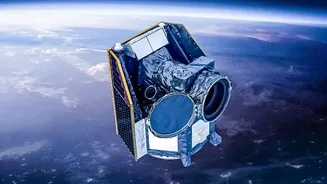
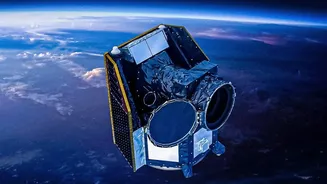
to scientists, who had been monitoring growing cracks, or rifts, for years. The European Space Agency's Sentinel-1 mission captured the break, which represents the glacier's most significant ice loss since 2012. This newly formed 'ice island' is now drifting into the Arctic Ocean.
What It Means: A Sobering Climate Signal
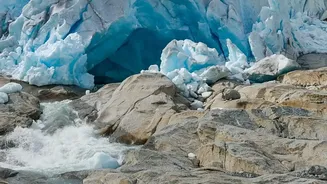
This event is a powerful, visible indicator of an accelerating trend. Glaciers like Petermann act as barometers for the planet's health. The break is a direct consequence of warmer air and, more importantly, warmer ocean water melting the glacier from below. This process weakens the ice tongue—the part of the glacier that floats on the ocean—making these large breaks more likely. While a single calving event is part of a natural cycle, the increasing frequency and scale of these events across Greenland and Antarctica are not. They are a clear sign that our planet's polar regions are responding to climate change in a dramatic way.
What It Does Not Mean: An Immediate Catastrophe
It’s important to clarify that this iceberg will not trigger a tsunami or cause a sudden, catastrophic rise in global sea levels. The image of a city-sized block of ice crashing into the sea is alarming, but the real-world effects are more gradual. Because the ice tongue was already floating, it was already displacing water, much like ice cubes in a glass. Its breaking off does not immediately add a huge new volume to the ocean. The real danger isn’t the single event but the cumulative effect of thousands of such events, which contribute steadily to rising sea levels over decades.
The Real Impact: A Long-Term Threat
The primary impact is its contribution to long-term sea-level rise. While this one iceberg won't flood Mumbai overnight, the Greenland ice sheet as a whole contains enough frozen water to raise global sea levels by over 7 metres. The Petermann calving event is significant because it can accelerate the flow of the glacier behind it, a process called buttressing loss. When the floating ice tongue breaks away, it's like removing a cork from a bottle, allowing the land-based ice to flow faster into the sea, which does directly contribute to rising sea levels. Studies have shown that melt rates at glaciers like Petermann are already much faster than previously thought.
Why an Arctic Glacier Matters to India
An event over 7,000 kilometres away might seem irrelevant, but the Arctic's health is directly connected to India. Firstly, rising sea levels pose a significant threat to India's long coastline and its major coastal cities. Secondly, and more subtly, the massive influx of fresh, cold water from melting Greenland ice can disrupt ocean currents. Scientists believe these changes in the Arctic can affect atmospheric circulation patterns, potentially influencing the variability and intensity of the Indian summer monsoon, a lifeline for the subcontinent's agriculture and economy. A rapidly warming Arctic is increasingly linked to more extreme weather events in India.