




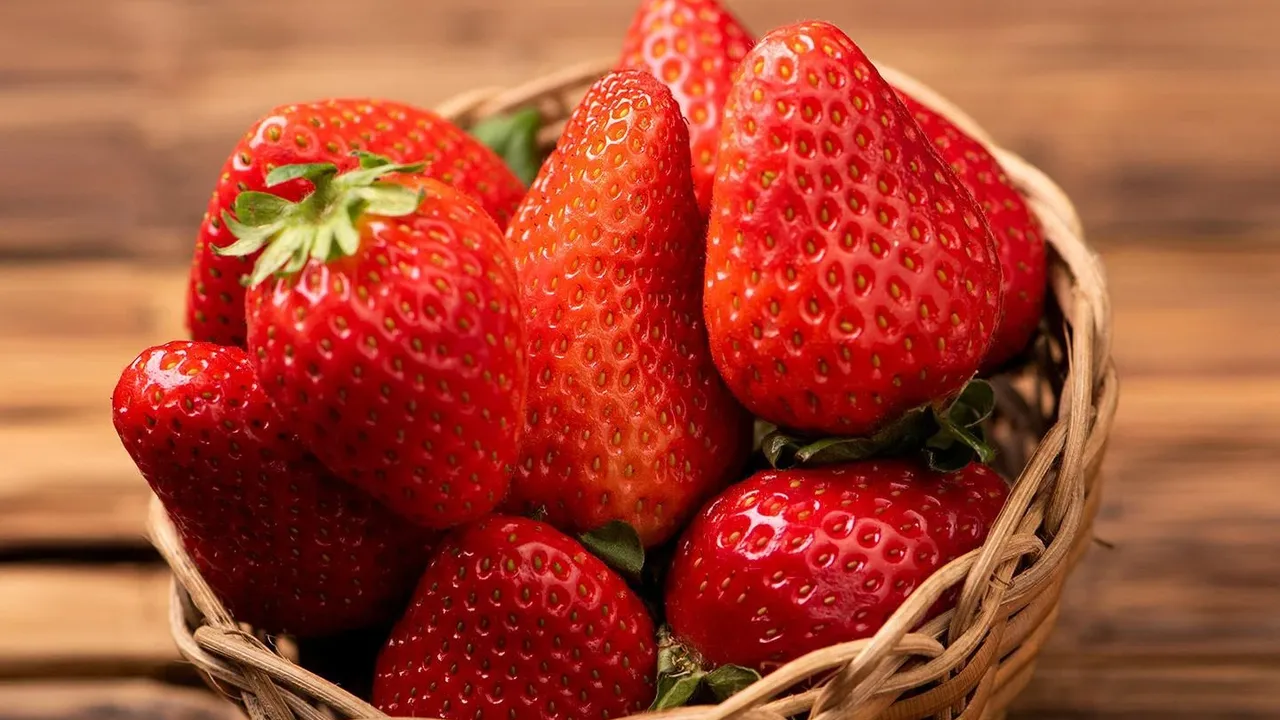


The Foreign Roots of India's Strawberries
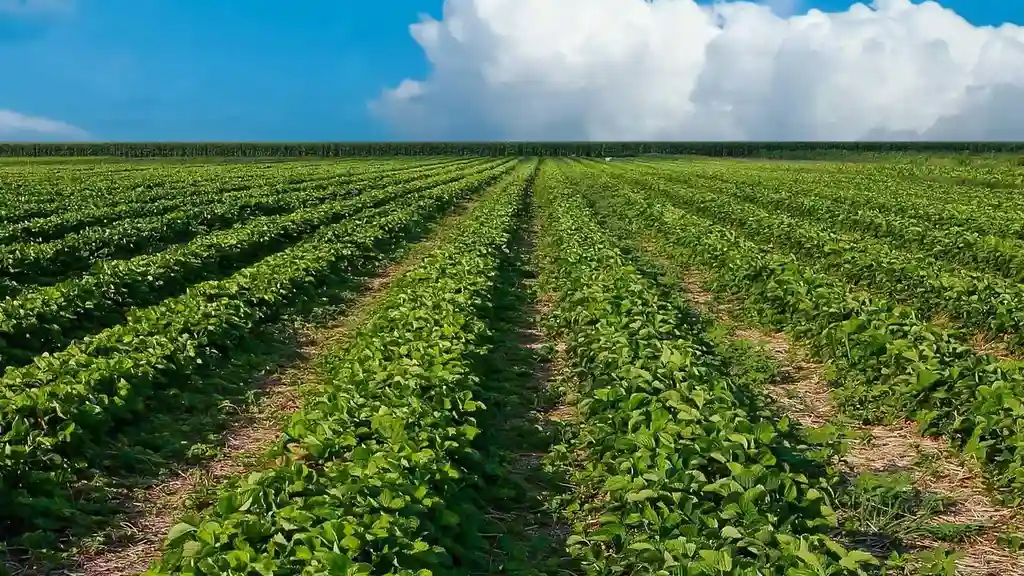
When you buy strawberries in India, you are most likely buying a variety developed in California or Europe. Cultivars like Chandler, Camarosa, and Sweet Charlie dominate the fields from Maharashtra to Haryana. These varieties were bred for different climates
and conditions. While they have enabled commercial cultivation in India, they come with challenges. Farmers often rely on imported planting materials, which can be costly and subject to logistical hurdles. Furthermore, these plants aren't always perfectly suited to India's diverse agro-climatic zones, which can affect yield and disease resistance. The push towards developing indigenous varieties is a strategic move to address these issues and foster greater self-sufficiency in horticulture.
A Decade-Long Scientific Marathon
Developing a new fruit variety is not a quick process; it is a meticulous and patient science. The 10 to 15-year timeline is standard in the world of plant breeding. The journey begins with collecting a wide range of genetic material, known as germplasm, which includes wild relatives and existing cultivars. Breeders then select parent plants that exhibit desirable traits—perhaps one has excellent sweetness while another shows strong heat tolerance. These parents are cross-pollinated to create thousands of new, unique offspring. This is where the long wait begins. Each new plant must be grown, and its fruit evaluated for flavour, size, yield, shelf life, and disease resistance. The most promising candidates are selected and then undergo several years of testing in different locations across the country to see how they perform in various soil types and climates. This ensures that a new variety is stable and reliable before it's released to farmers.
The Payoff: Why a 'Made in India' Berry Matters
The long-term benefits of a successful Indian strawberry breeding program are significant. First, it would free farmers from dependence on imported planting materials and associated royalty costs, making cultivation more profitable. Second, a domestically bred strawberry would be tailor-made for Indian conditions. Researchers can specifically select for traits like tolerance to local pests and diseases, or the ability to thrive in the warmer plains, potentially expanding cultivation to new regions. There is also the matter of taste. Breeders can develop varieties that cater specifically to the Indian palate, which may favour different sweetness or acidity profiles. Ultimately, it’s about creating a more resilient and profitable strawberry industry, boosting farmer incomes and strengthening the country's agricultural economy.
The Role of Research and Key Challenges
Institutions like the Indian Council of Agricultural Research (ICAR) are central to these efforts, undertaking research and development in horticulture. The task involves not just breeding but also creating a complete support system, including producing disease-free planting material and establishing best practices for cultivation. However, the path has its hurdles. Plant breeding requires sustained investment in infrastructure and skilled scientists. The multi-year field trials are resource-intensive, and factors like unpredictable weather can impact results. Getting farmers to adopt a new, unproven variety over established foreign ones also requires significant outreach and demonstration of its superior performance and profitability. Success hinges on a coordinated, long-term commitment from both the scientific community and policymakers.