






More Than Just Monsoon
Traditionally, a good monsoon meant stable rice prices. While rainfall is still critical, it's no longer the only major factor. In 2026, deficient rains in some key southern states and below-average monsoon rainfall forecasts for September have certainly
tightened supplies and pushed prices upward. This has led to domestic price increases of 15-25% for various rice varieties compared to the previous year, with little relief expected until the new Kharif crop arrives in October and November. However, even with a perfect harvest, other forces are at play that can keep prices high for consumers.
The High Cost of the Last Mile
Once harvested, rice begins a long journey from the farm to the market, and that journey runs on fuel. Persistent increases in fuel prices have a direct and significant impact. Higher diesel costs for tractors, pumps, and transport trucks add to the expense at every stage. This rise in logistics costs gets passed down the supply chain, from the miller to the wholesaler, and finally, to the retail price you pay. Recent data from September 2026 shows that rising fuel and power costs are a major driver of wholesale inflation in India, which inevitably feeds into consumer prices for essential commodities like food. This means even if the farm-gate price is stable, the final cost on the shelf will rise if fuel becomes more expensive.
A Ripple from Distant Waters
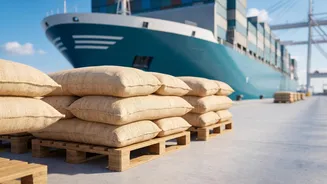
India is the world's largest rice exporter, which means domestic prices are increasingly linked to global events. Geopolitical conflicts, such as the tensions in the Middle East, have a profound effect. These conflicts disrupt key shipping lanes like the Red Sea and the Strait of Hormuz, forcing cargo to take longer, more expensive routes. Freight and insurance costs have surged, in some cases by thousands of percent. These disruptions not only affect India's exports but also increase global demand from countries scrambling to secure their food supplies, which puts further upward pressure on Indian domestic prices.
The Government's Hand on the Scale
Government policies play a crucial role in managing the delicate balance of rice availability and affordability. The government sets a Minimum Support Price (MSP) to ensure farmers get a fair price, which forms a baseline for costs. To control domestic prices, the government also maintains buffer stocks and can impose export restrictions or bans, as seen in 2023. While these measures are intended to protect Indian consumers, they can create tension in global markets. Furthermore, government procurement for the public distribution system (PDS) can also contribute to price firmness in the open market by reducing available supply. These interventions, while necessary for food security, add another layer of complexity to the final price.